Table of Contents
- 1. What EU Marketplaces Require from a Supplier
- 2. OEM and ODM Customisation Matrix
- 3. MOQ Tiers and Cost Structure
- 4. CE, RoHS, WEEE and Packaging Compliance
- 5. Packaging, Drop Testing and Returns
- 6. Factory QC and Workshop Evidence
- 7. Listing Assets and Content Support
- 8. Procurement Advice for E-Commerce Brands
- 9. Frequently Asked Questions (FAQ)
1. What EU Marketplaces Require from a Private Label Commercial Blender Supplier
Selling electrical appliances in the EU means accepting legal responsibility as the importer. Consequently, the brand owner must hold technical files, not only product photos.
Marketplaces such as Amazon EU, Cdiscount, and Allegro also enforce documentation checks. Specifically, they request CE marking evidence, RoHS statements, and packaging compliance information.
Therefore, choose a private label commercial blender supplier that prepares paperwork before production starts. Late documents delay listing dates, and lost launch windows cost more than unit price differences.
1.1 Product Liability Overview
The importer’s name and address must appear on the product or packaging. Additionally, user manuals must be provided in the official language of each target market.
1.2 Channel-Specific Expectations
Food-service buyers focus on torque data and spare parts. In contrast, e-commerce buyers focus on carton quality, unboxing, and after-sales failure rates.
2. OEM and ODM Customisation Matrix
Customisation depth determines both cost and lead time. Therefore, decide which items must be brand-specific and which can stay standard.
| Customisation Item | Option | Typical Impact |
|---|---|---|
| Logo | Silk screen, pad print, or sticker | Low cost, short lead time |
| Housing Colour | Custom pantone for ABS parts | Medium, requires colour matching |
| Gift Box | Full colour printed retail carton | Medium, artwork approval needed |
| Manual | Multilingual, brand template | Low, translation provided by buyer |
| Plug and Voltage | VDE Schuko, BS 1363, SAA, PSE | Low, standard configurations |
| Jar Configuration | 1.5L to 7.5L combinations | Low to medium |
| Barcode and Label | EAN, GS1, carton marks | Low |
2.1 Product Platform Parameters
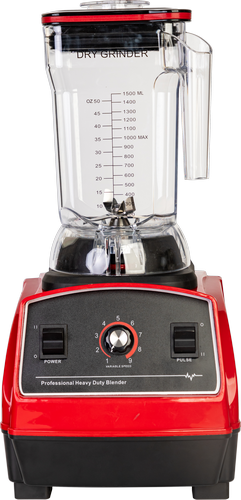
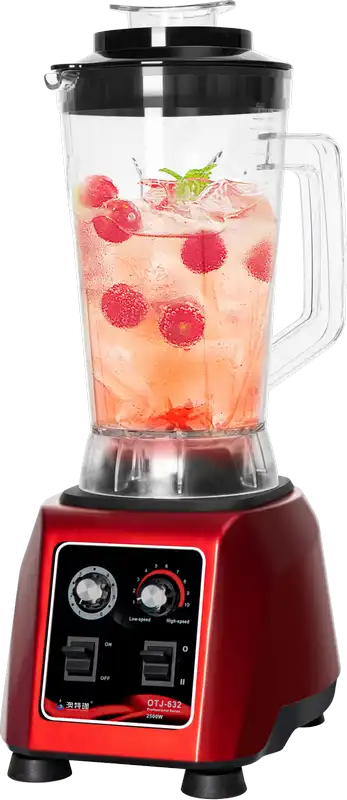
The OTJ-669 platform carries a 2200W pure copper motor with 24,000 RPM output and variable knob plus pulse control. Additionally, the OTJ-632 offers a documented specification set with loading data suitable for high-volume listings.
2.2 ODM Development Path
Brands with specific requirements move from OEM to ODM. In that case, our engineering team reviews housing modifications, control panel changes, and jar tooling before quotation.
3. MOQ Tiers and Cost Structure
Most new brands start with a small trial order, then scale after reviews stabilise. Therefore, AIMA structures commercial terms in three tiers.
| Tier | Volume | Best For | Typical Terms |
|---|---|---|---|
| Trial | Sample quantity | Marketplace testing | Standard packaging, higher unit cost |
| Growth | Mixed pallet volume | Established listings | Private label logo and carton |
| Container | 40HQ full load | National rollout | Best FOB price, dedicated slot |
3.1 Landed Cost Calculation
Always model unit cost, freight, duty, VAT, and marketplace fees together. Consequently, container optimisation often reduces landed cost more than price negotiation.
3.2 Cash Flow Planning
Production starts after deposit, and the balance settles against the bill of lading. Therefore, plan working capital across one full production and transit cycle.
4. CE, RoHS, WEEE and Packaging Compliance
Compliance is a package, not a single certificate. Specifically, a blender listing usually touches five legal areas.
The safety framework sits in LVD 2014/35/EU, while electromagnetic limits are defined by EMC 2014/30/EU. RoHS 2011/65/EU restricts hazardous substances.
Beyond that, WEEE registration applies per country, and packaging law requires registration in markets such as Germany and France. Therefore, confirm these registrations with your compliance consultant before launch.
4.1 Documents to Collect Before Launch
- CE LVD and EMC Verification of Conformity with your model listed.
- Declaration of Conformity signed by the manufacturer.
- RoHS test summary and material declaration.
- Test report references for traceability during marketplace audits.
5. Packaging, Drop Testing and Returns Control
E-commerce returns are expensive, so packaging quality directly affects margin. Consequently, cartons must survive parcel handling rather than only pallet transport.
AIMA retail packaging uses a printed colour box, EPS or moulded pulp protection, and a five-layer master carton. Additionally, we support drop-test verification on request.
5.1 Reducing Transport Damage
Jar protection is critical, because impact damage usually appears on the container base. Therefore, the moulded insert suspends the jar away from carton walls.
5.2 After-Sales Planning
Successful sellers ship spare jars and blades with every container. As a result, they replace parts without air freight costs.
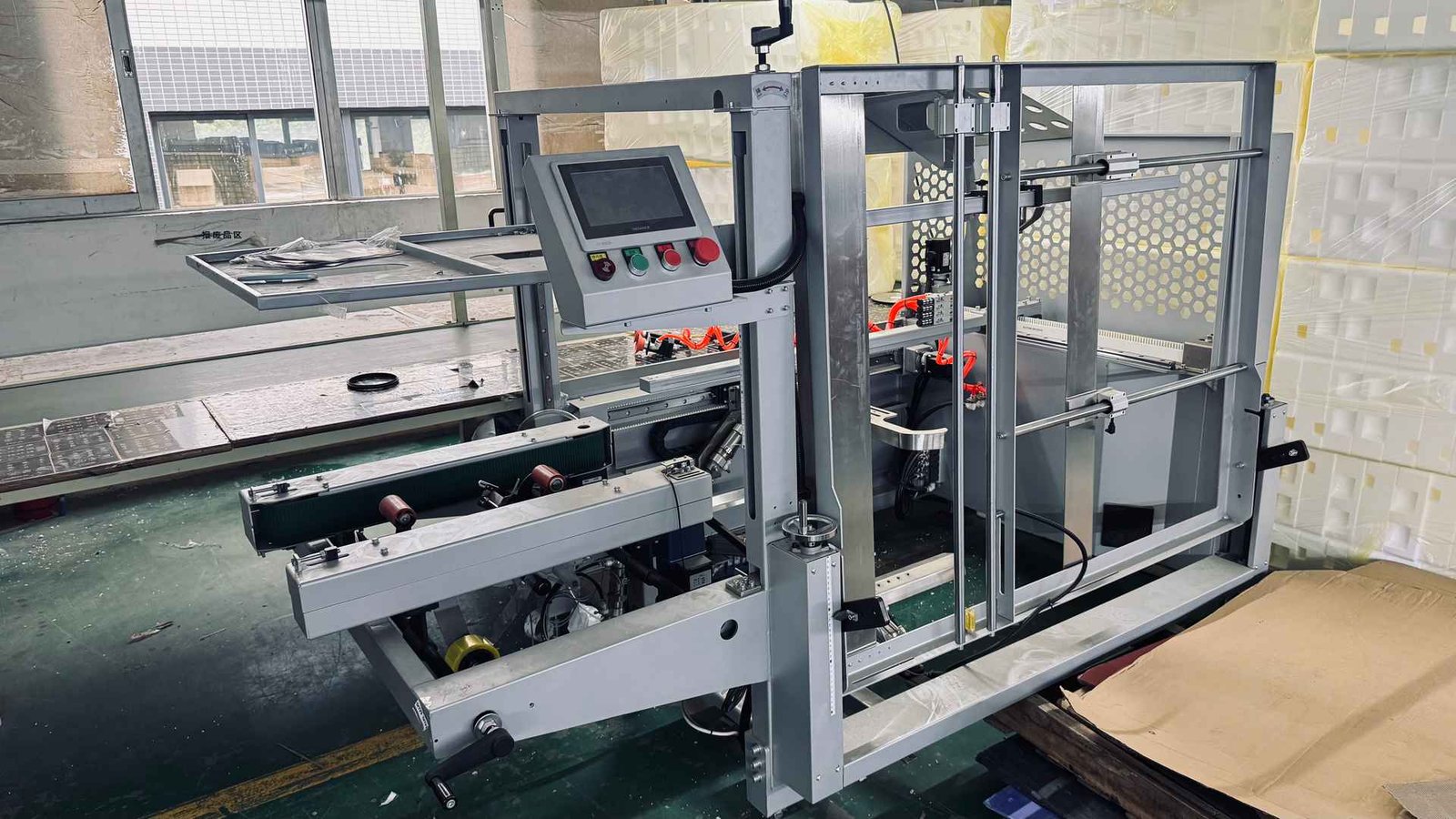
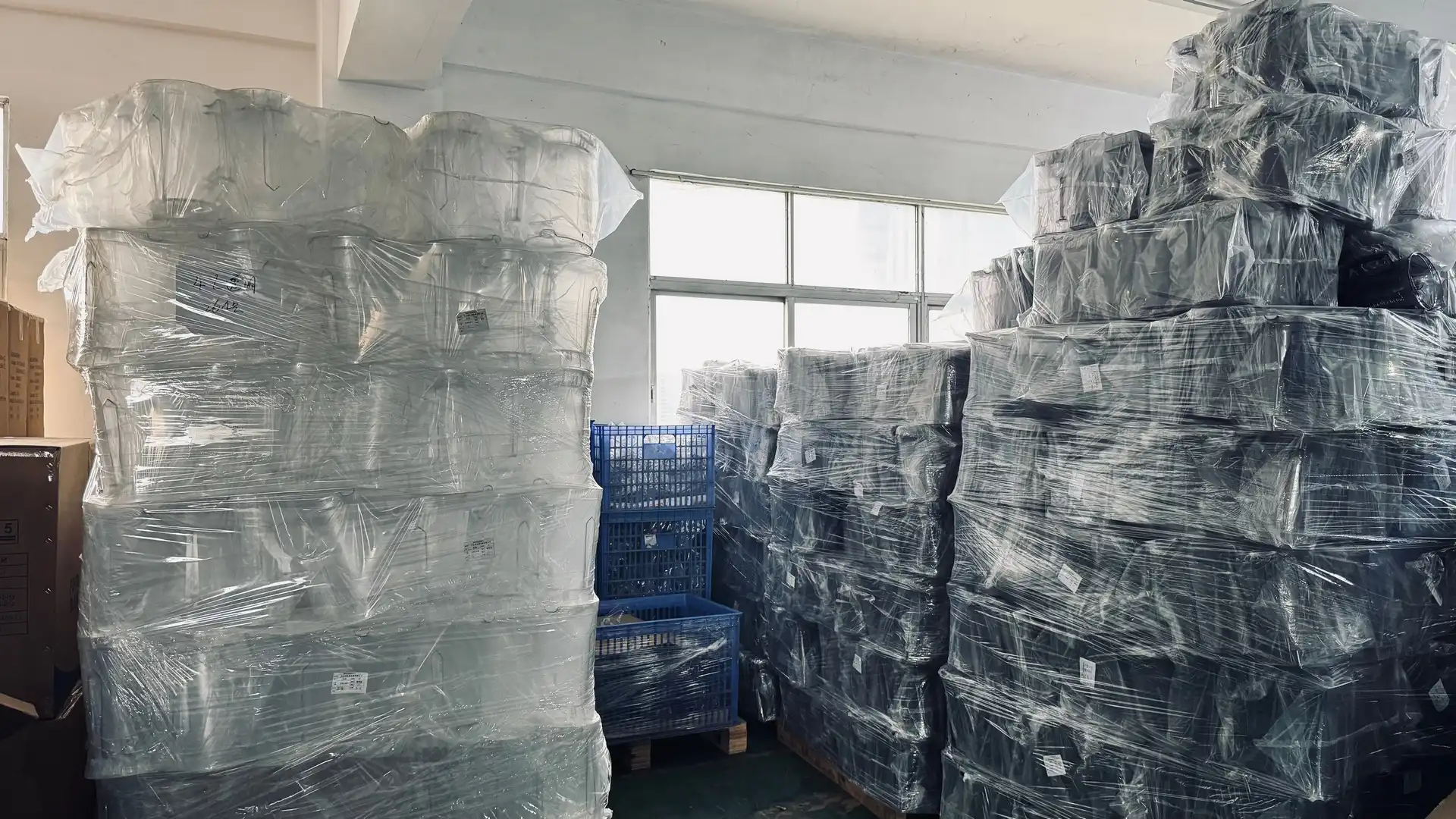
6. Factory QC and Workshop Evidence
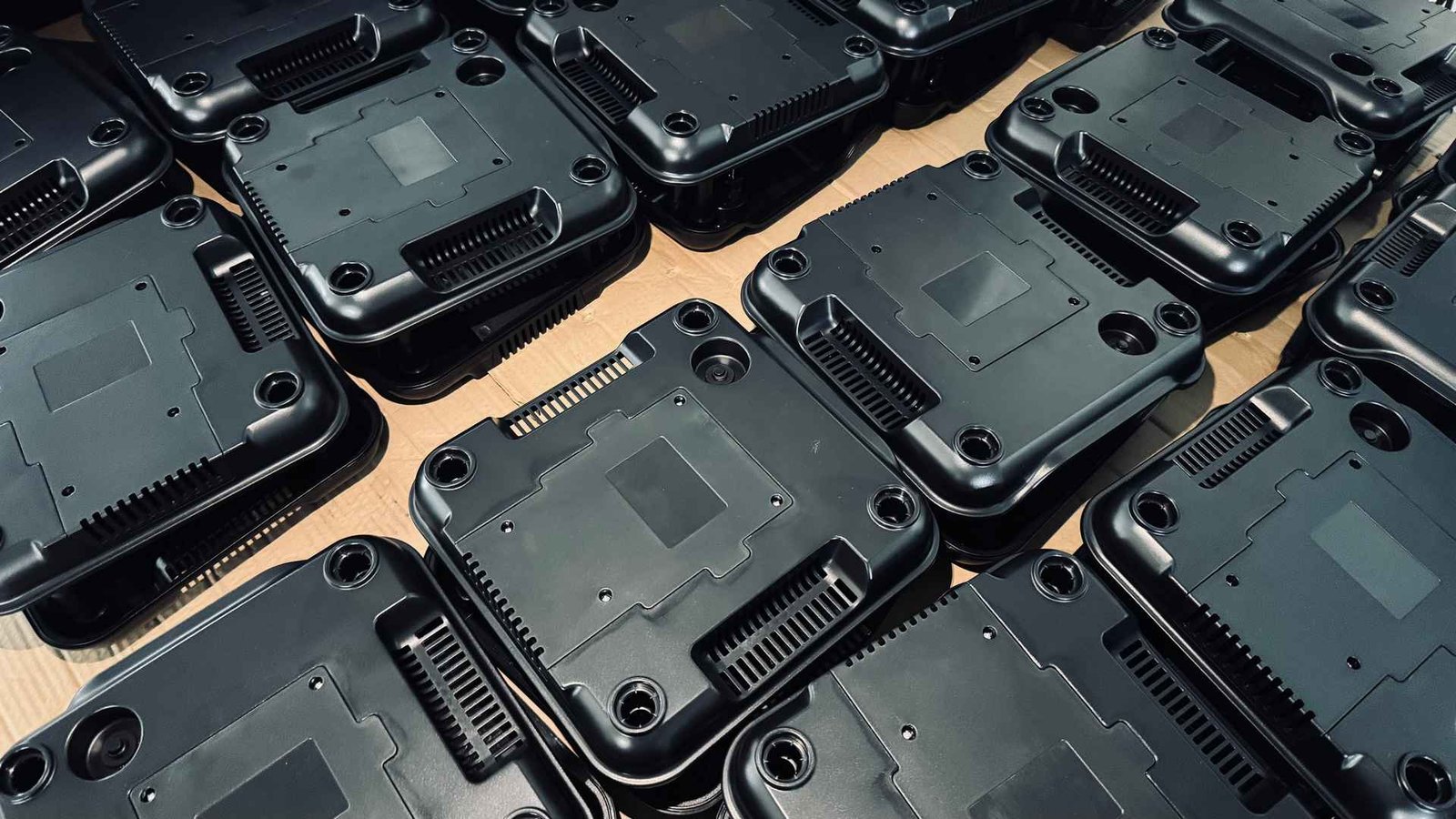
Brand owners should verify production capability before committing tooling investment. Therefore, we document key process stations.
7. Listing Assets and Content Support
Marketplace conversion depends on content quality. Therefore, we provide product photos, dimension drawings, and specification tables that meet listing requirements.
7.1 Specification Data for Listings
Buyers receive motor power, jar capacity, RPM range, carton dimensions, gross weight, and container quantity. Additionally, these values match the technical file, which protects you during audits.
7.2 Video and Factory Content
Factory footage supports brand credibility. Furthermore, brands can embed this content on product pages to reduce purchase hesitation.
8. Procurement Advice for E-Commerce Brands
Brand owners should treat supplier selection as a long-term partnership. Therefore, apply these checks during evaluation.
- Sample first: order one unit and test it as a customer would, including noise and cleaning.
- Verify tooling: confirm who owns custom moulds and how they are maintained.
- Define QC: agree on AQL levels and hipot testing before the first batch.
- Secure spares: include jars and blades in the first container to control returns.
- Document everything: keep certificates, packing lists, and inspection reports in one folder.
Moreover, request a written lead-time commitment for repeat orders. Consistent replenishment protects marketplace ranking.
9. Frequently Asked Questions (FAQ)
Q1: What is the minimum order quantity for private label blenders?
A: Trial quantities are available for marketplace testing. Private label printing and custom cartons become efficient from mixed pallet volume upward.
Q2: Can a private label commercial blender supplier ship EU-compliant plugs?
A: Yes. Standard EU output uses 220-240V with a VDE Schuko plug, and UK, SAA, PSE, and US variants are produced on the same line.
Q3: Which certificates should be requested before launch?
A: Request the CE LVD and EMC Verifications of Conformity, the Declaration of Conformity, the RoHS summary, and the packaging test record.
Q4: How many blenders fit in a 40HQ container?
A: Standard blender configurations load approximately 1,380 units per 40HQ container, depending on jar size and carton design.
Q5: Does AIMA support multi-model mixed containers?
A: Yes. Mixed loading plans allow brands to test several SKUs in one shipment, and our team issues a balancing diagram.
Request OEM / ODM Quotation
Contact our export team for private label pricing, customisation options, MOQ tiers, and compliance documents for European e-commerce listings.
Email Our Export TeamDirect Contact: sales2@zs-aima.com