Table of Contents
- 1. Why Supermarket Chains Specify a Dedicated Blender
- 2. OTJ-KC78D Parameters and Performance Data
- 3. Fresh Counter Applications and Texture Control
- 4. EU Compliance Files: LVD, EMC, RoHS, ErP
- 5. Hygiene, HACCP and Cleaning Protocol
- 6. Retail Packaging and Drop-Test Readiness
- 7. MOQ, Price Tiers and 40HQ Loading Data
- 8. Factory QC and Workshop Evidence
- 9. Procurement Advice: Vetting a Factory
- 10. Frequently Asked Questions (FAQ)
1. Why EU Supermarket Chains Specify a Dedicated Commercial Blender for Supermarket Duty
Retail fresh-format stores run beverage bars, juice stations, salad bars, and bakery kitchens inside one building. Each station blends different ingredients, yet all of them share the same machine pool. As a result, the appliance must handle fibrous kale, frozen fruit, nut pastes, and hot soups in a single shift.
Household blenders fail in this environment for three predictable reasons. First, the thermal cut-out trips after roughly twenty minutes of continuous blending. Second, plastic jar threads wear out when staff sanitise the parts several times per day. Third, spare blades and jars are difficult to source across multiple store locations.
Consequently, supermarket technical buyers usually standardise on one commercial platform per region. Standardisation reduces spare-part SKUs, simplifies staff training, and protects brand consistency. Specifically, chains in Germany, France, the Netherlands, and Poland increasingly request a 2200W soundproof platform with certified EU plugs.
1.1 Store Formats and Daily Blending Volume
A 1,200 m² supermarket with a juice bar typically produces 120 to 260 blended drinks per day. Additionally, the bakery kitchen blends fillings, creams, and sauces. Therefore, a realistic duty cycle is 6 to 10 hours of intermittent operation with peaks of 40 drinks per hour.
1.2 Procurement Constraints Unique to Retail Groups
Retail groups procure through central specification teams. These teams publish a machine specification sheet, then invite two to four suppliers to quote. Furthermore, they demand documentation before the first pallet ships. Consequently, a factory that cannot supply LVD, EMC, and RoHS files immediately is normally excluded from the tender.
2. OTJ-KC78D Technical Parameters and Performance Data
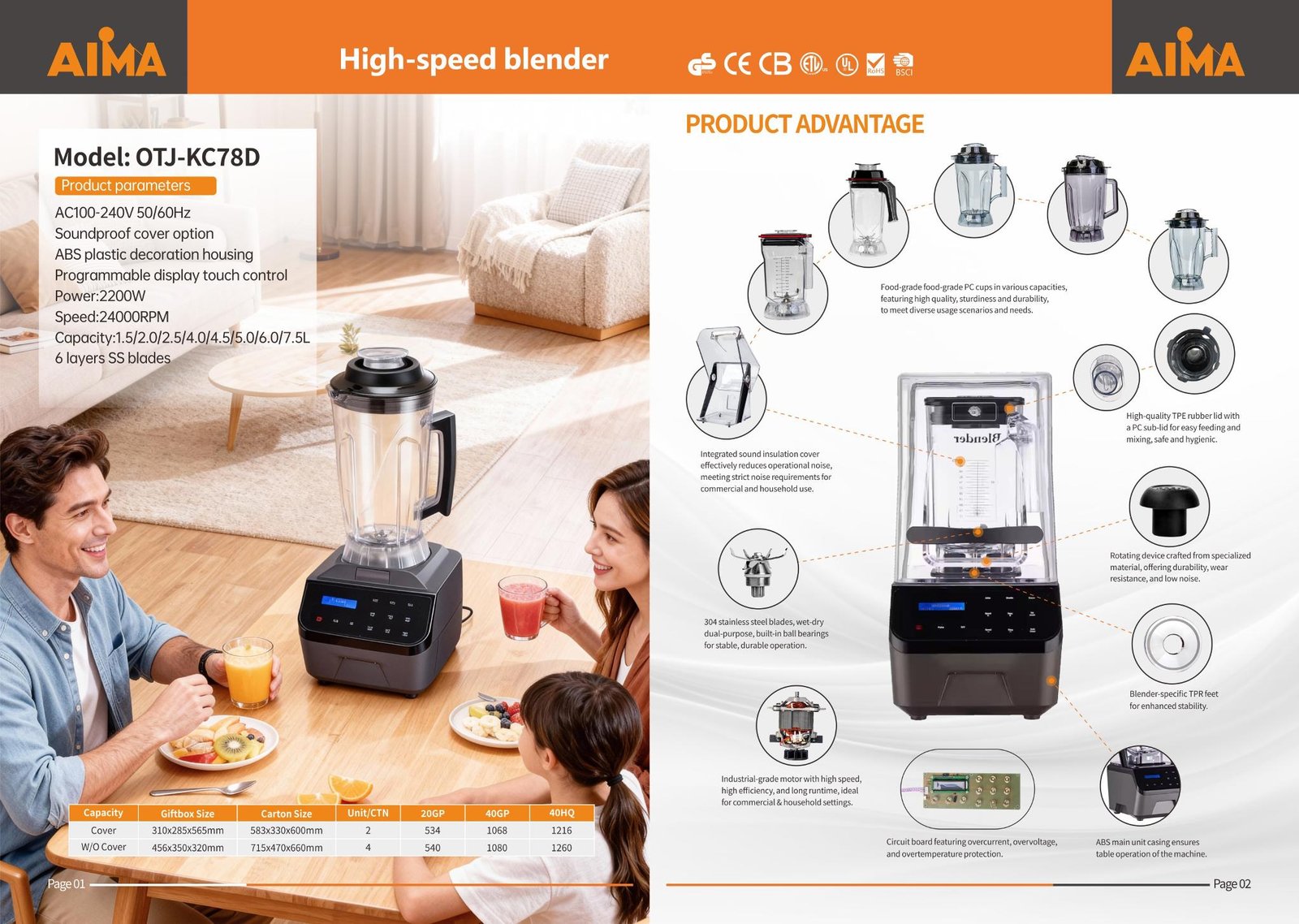
The OTJ-KC78D is our soundproof commercial blender for supermarket and catering programs. Moreover, the same chassis supports 1.5L to 7.5L jar options, so one platform covers beverage bars and central kitchens.
| Parameter | Verified Factory Data (OTJ-KC78D) |
|---|---|
| Model | OTJ-KC78D (soundproof enclosure version) |
| Motor Power | 2200W industrial, 100% pure copper stator |
| Maximum Speed | 24,000 RPM variable speed with pulse function |
| Control Interface | Programmable touch display, multi-preset memory |
| Jar Capacity Options | 1.5L / 2L / 3L / 4L / 5L / 7.5L PC or BPA-free containers |
| Blade Assembly | 6-layer hardened stainless steel, ice-crushing geometry |
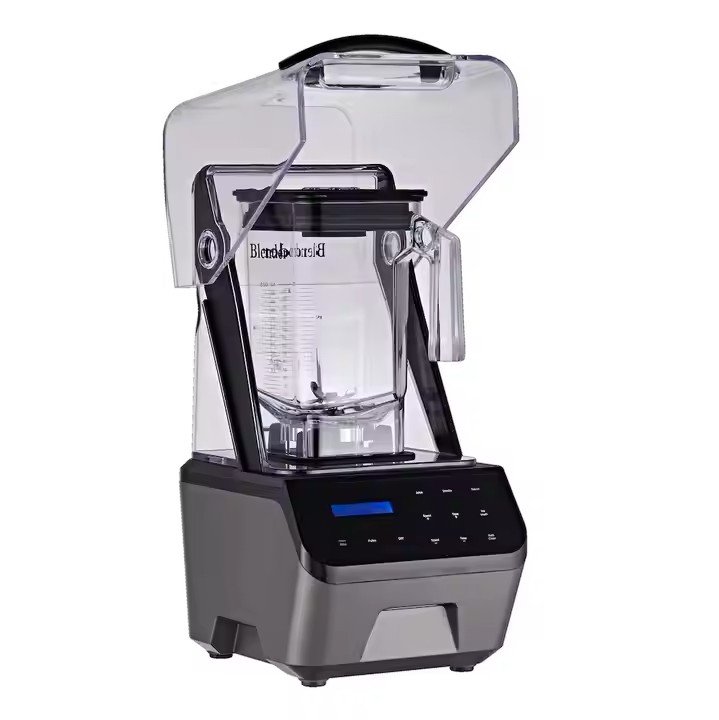
| Noise Control | Acoustic enclosure with ventilation channel |
| Voltage / Frequency | 220-240V 50/60Hz (EU), 110-120V available for other markets |
| Plug Options | VDE Schuko, BS 1363 UK fused plug, SAA, PSE, and US types |
| Housing Material | Reinforced ABS with metal drive socket |
| Packaging | EPS foam insert, master carton, 40HQ loading 1,380 pcs |
2.1 Soundproof Acoustic Enclosure and Store Noise Rules
Municipal noise limits apply to retail premises in many EU cities. In contrast to open-frame blenders, the OTJ-KC78D encloses the jar behind a sound-dampening shell. Therefore, the machine is suitable for front-of-house counters where customers stand nearby.
2.2 Motor Winding and Thermal Behaviour
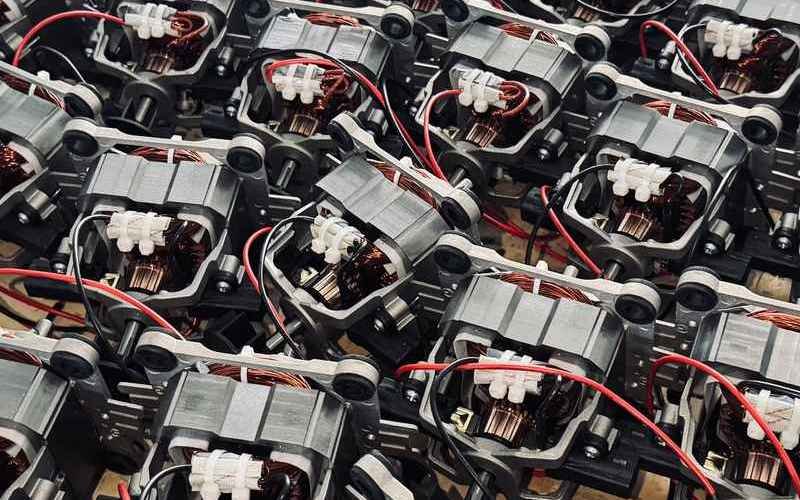
Every stator is wound in-house with pure copper wire. Additionally, a thermal fuse and a cooling fan protect the motor during long duty cycles. Consequently, staff can run consecutive batches without waiting for cooldown periods.
3. Fresh Counter Applications and Texture Control
Texture consistency separates professional retail programs from casual blending. Specifically, a smoothie bar must reproduce the same mouthfeel at 09:00 and at 19:00, across every store.
Programmable presets solve this requirement. Operators press one button for smoothies, another for nut milk, and a third for crushed ice. As a result, results stay repeatable even when staff rotate between departments.
Furthermore, the variable speed dial allows slow starts for powder mixing. This prevents dust clouds and reduces ingredient waste, which matters when a single scoop of protein powder costs several euros.
3.1 Smoothies, Soups and Frozen Desserts
The same jar handles cold and warm preparations when staff follow the temperature SOP. Moreover, high-torque output breaks frozen fruit without adding liquid, which protects recipe cost per portion.
3.2 Capacity Planning per Store
A typical flagship store keeps two blenders at the juice counter and one in the bakery kitchen. In addition, a spare jar set reduces downtime during peak weekend trading.
4. EU Compliance Files for Retail Procurement: LVD, EMC, RoHS and ErP
European retail groups audit documentation as rigorously as they audit the product itself. Therefore, prepare the technical file before the first tender meeting.
AIMA blender families are tested under the Low Voltage Directive and the Electromagnetic Compatibility Directive. The exact legal texts are published in the LVD 2014/35/EU and EMC 2014/30/EU registers. Additionally, RoHS 2011/65/EU restricts hazardous substances in electrical equipment.
Our compliance hub page collects the certificates that retail buyers request most often. You can review the AIMA certification library or read our detailed CE LVD and EMC sourcing guide for the EU market.
| Document | Purpose for Retail Buyers | Typical Request Stage |
|---|---|---|
| CE LVD Verification of Conformity | Confirms electrical safety testing | Pre-tender |
| CE EMC Verification of Conformity | Confirms emission and immunity limits | Pre-tender |
| RoHS test summary | Confirms restricted substance control | Supplier onboarding |
| Declaration of Conformity (DoC) | Legal basis for CE marking | Customs and audit |
| ISO9001 factory certificate | Confirms quality management system | Factory audit |
4.1 Documentation Mistakes That Delay Shipments
Delayed paperwork costs more than freight in most retail programs. Common problems include expired test reports, mismatched model families, and missing DoC signatures. Consequently, always request the document list at least eight weeks before vessel booking.
5. Hygiene, HACCP and Daily Cleaning Protocol
Retail food safety teams inspect equipment surfaces, seals, and removable parts. Therefore, machine design must support fast disassembly without tools.
The jar, lid, and blade assembly detach in under thirty seconds. Additionally, food-contact parts use food-grade polycarbonate and stainless steel. As a result, stores can implement a documented clean-down between departments.
5.1 Recommended Daily SOP
- Switch off and unplug the machine before removing the jar.
- Rinse with warm water and a neutral detergent, then sanitise.
- Inspect blade edges weekly and record the check in the hygiene log.
- Replace cracked jars immediately, because damaged threads affect sealing.
5.2 Spare Parts Planning
Retail chains should store one spare jar set and one blade set per ten machines. This ratio covers accidental damage without inflating inventory cost.
6. Retail Packaging and Drop-Test Readiness
Palletised retail logistics exposes cartons to shocks and stacking pressure. Consequently, packaging engineering is part of the product, not an afterthought.
Standard export packing uses a high-density EPS insert inside a five-layer master carton. Furthermore, carton dimensions are optimised for EUR pallets and 40HQ containers.
6.1 Private Label Packaging Options
Chains frequently request their own brand on the carton and in the manual. We therefore provide colour boxes, multilingual manuals, and barcode labels. For European e-commerce channels, we also prepare images and specification sheets for marketplace listings.
7. MOQ, Price Tiers and 40HQ Loading Data
Sourcing economics depend on container efficiency. Therefore, always calculate delivered cost per unit rather than unit price alone.
| Order Volume | Typical Commercial Terms | Best Fit |
|---|---|---|
| Small trial order | Sample or trial quantity, standard carton | New distributor evaluation |
| Mixed pallet order | Mixed models on one pallet | Regional pilot stores |
| 40HQ container | Best FOB price, dedicated production slot | National retail rollout |
7.1 Container Loading Example
A 40HQ container accommodates 1,380 units of the OTJ-KC78D when packed in standard cartons. Additionally, loading plans can mix blender models with slicers to balance the pallet pattern.
7.2 Lead Time Planning
Production lead time starts after deposit and artwork approval. Normally, a full container order completes in three to four weeks, followed by sea freight transit.
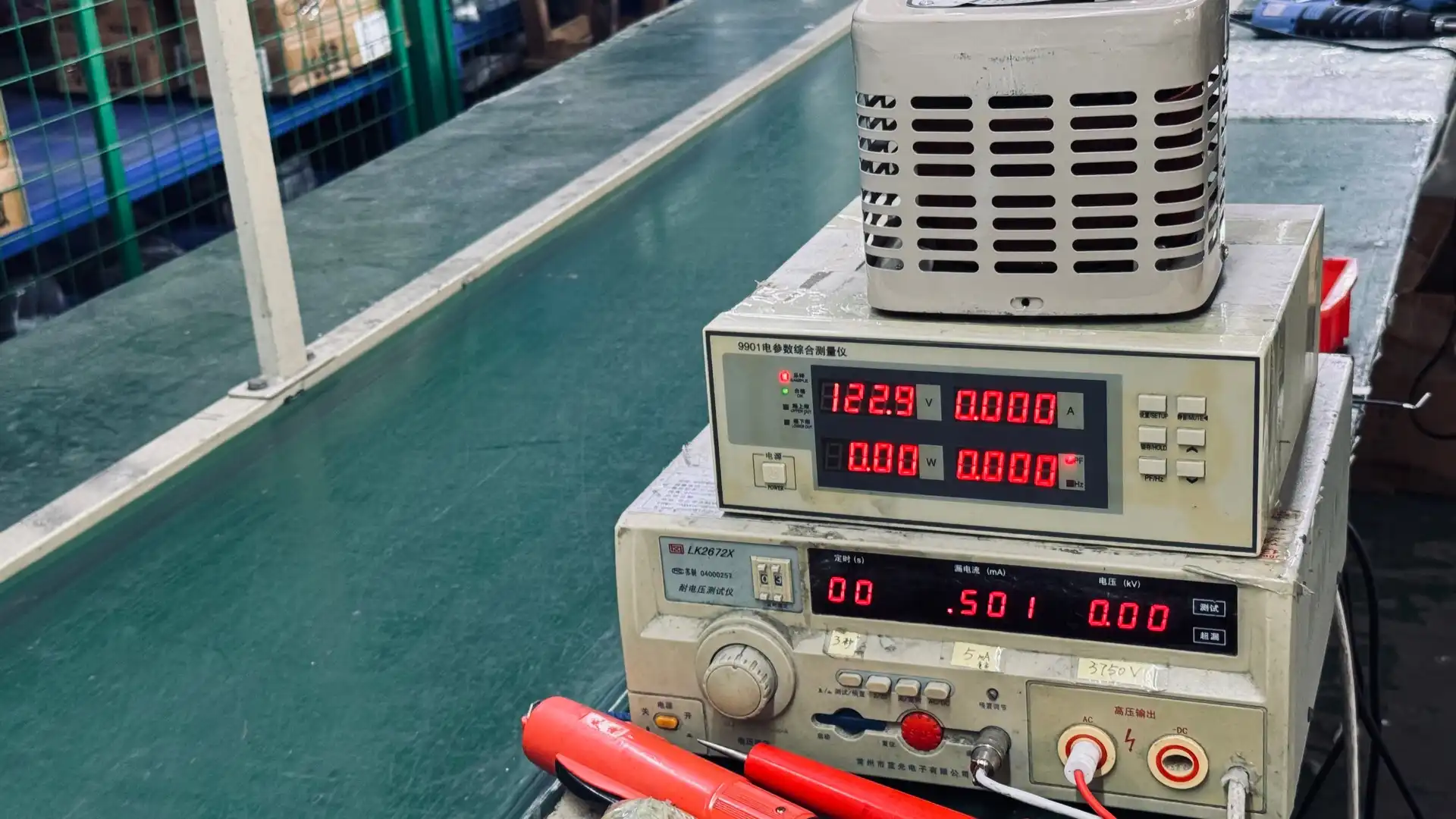
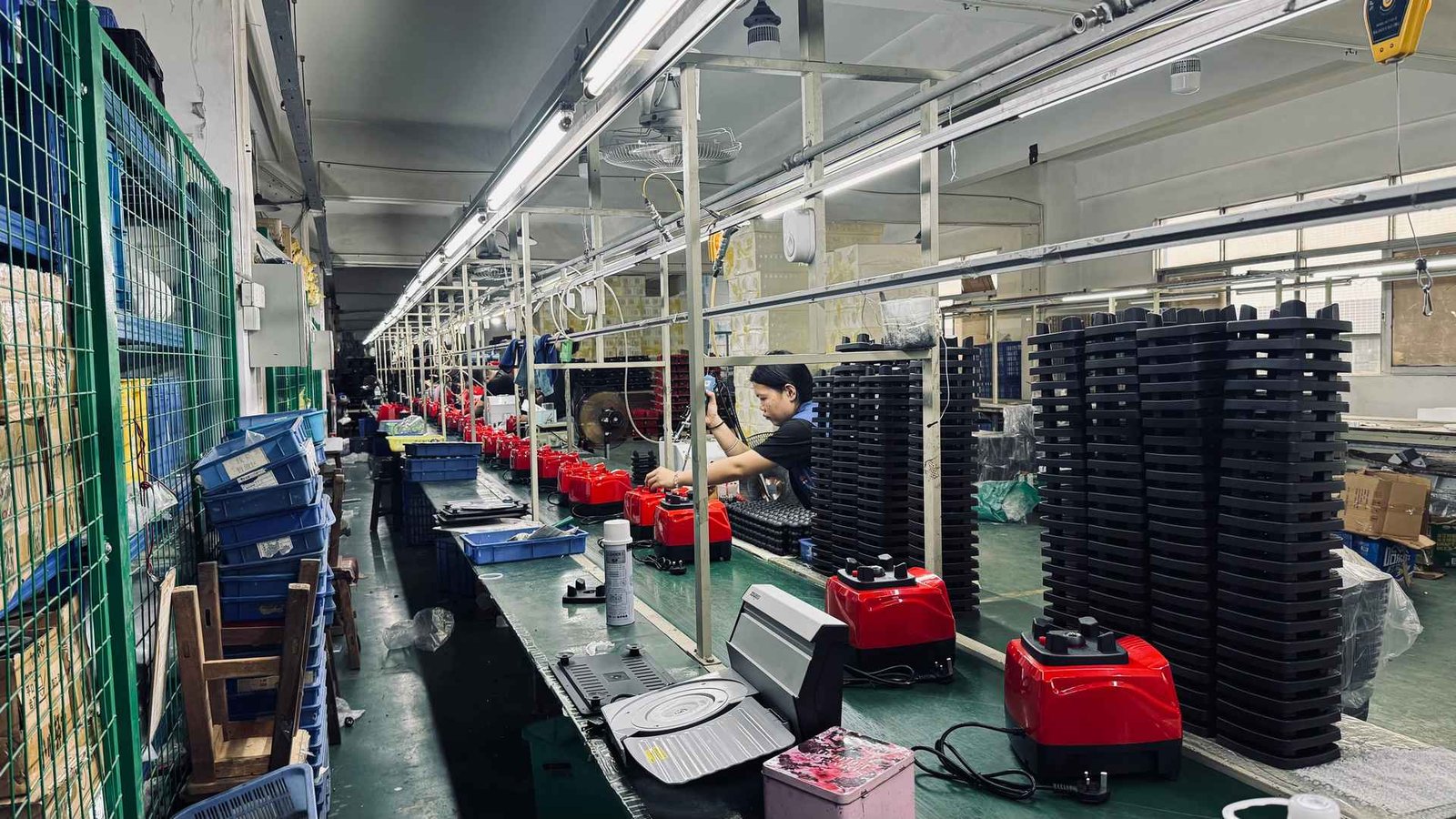
8. Factory QC and Workshop Evidence
Buyers increasingly request visual proof of production capability. Therefore, we document the actual workshop used for each product family.
8.1 Incoming Quality Control
Every incoming lot is checked against drawings before it reaches the assembly line. Moreover, rejected batches are quarantined and traced by supplier code.
8.2 Reliability Testing
Representative units run continuous-load tests, drop tests, and glow-wire checks. Consequently, design weaknesses surface before mass production.
9. Procurement Advice: How to Vet a Commercial Blender Factory
Selecting a supplier is a risk decision, not only a price decision. Therefore, evaluate five areas before signing a contract.
- Documentation: request certificates, DoC files, and test reports with model lists.
- Motor sourcing: confirm whether wiring and stator assembly happen in-house.
- Spare parts: verify jar, blade, and drive socket availability for five years.
- Packaging: ask for carton drop-test records and pallet diagrams.
- Communication: test response time during the quotation stage, because it predicts after-sales speed.
Additionally, request a live video factory tour. This step confirms that the quoted line genuinely exists. You can also review our factory audit page for workshop details.
10. Frequently Asked Questions (FAQ)
Q1: What is the minimum order quantity for this commercial blender for supermarket projects?
A: Trial quantities are available for evaluation. Most retail programs move to full 40HQ container orders of 1,380 units to unlock the best FOB price tier.
Q2: Does the OTJ-KC78D ship with EU-compliant plugs and voltage?
A: Yes. The standard EU configuration is 220-240V with a VDE Schuko plug, and BS 1363 UK, SAA, PSE, and US plug options are produced on the same line.
Q3: How long does a spare-part supply commitment last?
A: AIMA keeps jar, blade, and drive socket tooling active for at least five years after the last production batch, which protects long-term retail fleet maintenance.
Q4: Can we mix blender models and food slicers in one container?
A: Yes. Mixed loading is common, and our engineering team issues a pallet diagram that balances weight distribution and carton compression limits.
Q5: Which documents should a supermarket chain request first?
A: Start with the CE LVD and EMC Verifications of Conformity, the Declaration of Conformity, the RoHS summary, and the ISO9001 certificate, then add packaging test records.
Request Factory Wholesale Quotation
Contact our export team for OTJ-KC78D pricing tiers, CBM data, container loading diagrams, and compliance files prepared for European retail procurement.
Email Our Export TeamDirect Contact: sales2@zs-aima.com