For procurement managers at European supermarket chains, North American hospitality groups, and regional appliance wholesalers serving commercial residential projects, the sourcing equation has fundamentally changed. The old model — rely on a domestic importer, accept their 30–50% markup, and hope their claimed “factory relationship” is real — is being replaced by something far more efficient: verified, factory-direct procurement with full compliance documentation.
This article examines why a growing number of retail and wholesale buyers are moving their commercial kitchen appliance sourcing directly to the factory floor, using Zhongshan AIMA Electrical Appliance Co., Ltd. — a 15-year, ISO9001-certified manufacturer in Guangdong, China — as a benchmark for what a supply-chain-ready partner should deliver.
1. The Real Cost of Indirect Sourcing for Retail & Wholesale Buyers
Every supermarket chain, hotel supplier, and regional wholesaler operates on thin margins and high volume. When you source through a domestic importer or regional trading company, four hidden costs accumulate before your first unit reaches the shelf:
| Hidden Cost | How It Hurts Your Business |
|---|---|
| Importer markup | 30–50% premium over ex-factory pricing, compressed into your retail margin |
| Compliance opacity | Importers rarely share original CE/CB/RoHS test reports — they give you their own summary sheet |
| OEM/ODM friction | Custom voltage, branding, or packaging requests pass through 2–3 layers before reaching the engineer |
| Inventory blind spots | You have no visibility into factory production schedules, raw material stock, or real lead times |
By sourcing directly from a manufacturer like AIMA Electrical, every one of these costs is eliminated. You receive original factory test reports, communicate directly with the production team, and negotiate pricing based on the actual cost of materials, labor, and shipping — not an importer’s padded invoice.
2. EEAT Framework: Why AIMA Earns Retail Buyer Confidence
Google’s EEAT guidelines — Experience, Expertise, Authoritativeness, Trustworthiness — are not just a search ranking framework. They are the same four criteria any serious procurement manager should apply when qualifying a new factory partner. Here is how AIMA measures against each:
Experience: 15+ Years of Focused Manufacturing
AIMA has not pivoted into kitchen appliances from another industry. Their 3,000m² facility in Zhongshan, Guangdong has been dedicated to small kitchen appliance manufacturing for over 15 years. This matters because supply chain stability, production line maturity, and quality consistency are not things you build in two or three years — they are the accumulated result of fifteen.
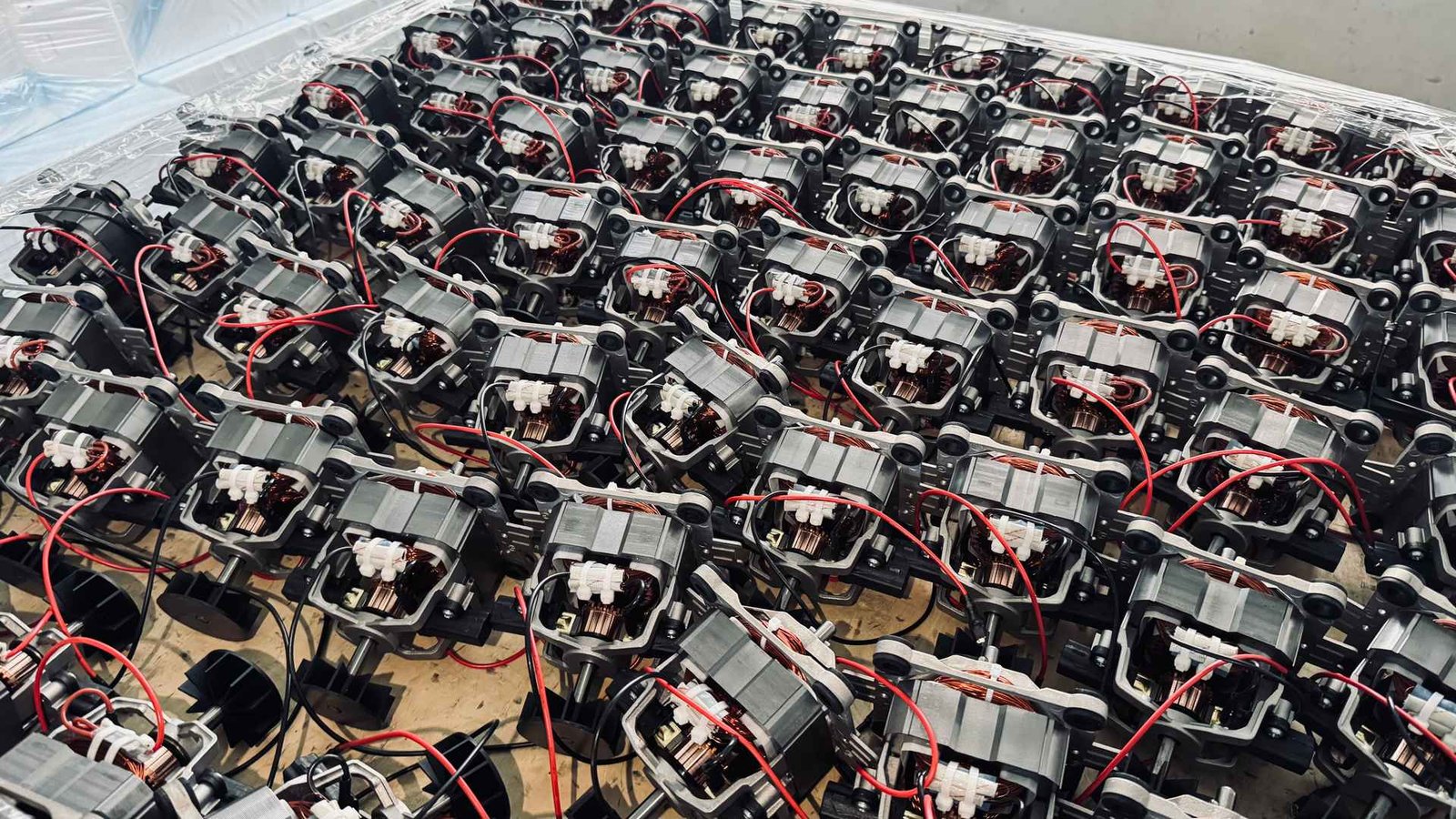
The factory produces its own 2200W pure copper wire motors in-house — a critical differentiator from assemblers who buy motors from third-party suppliers and have no control over winding quality, copper purity, or thermal performance. For a retailer stocking blenders that will be used in commercial smoothie bars and restaurant kitchens, this in-house motor capability directly translates to lower warranty return rates.
Expertise: Full-Cycle Quality Engineering
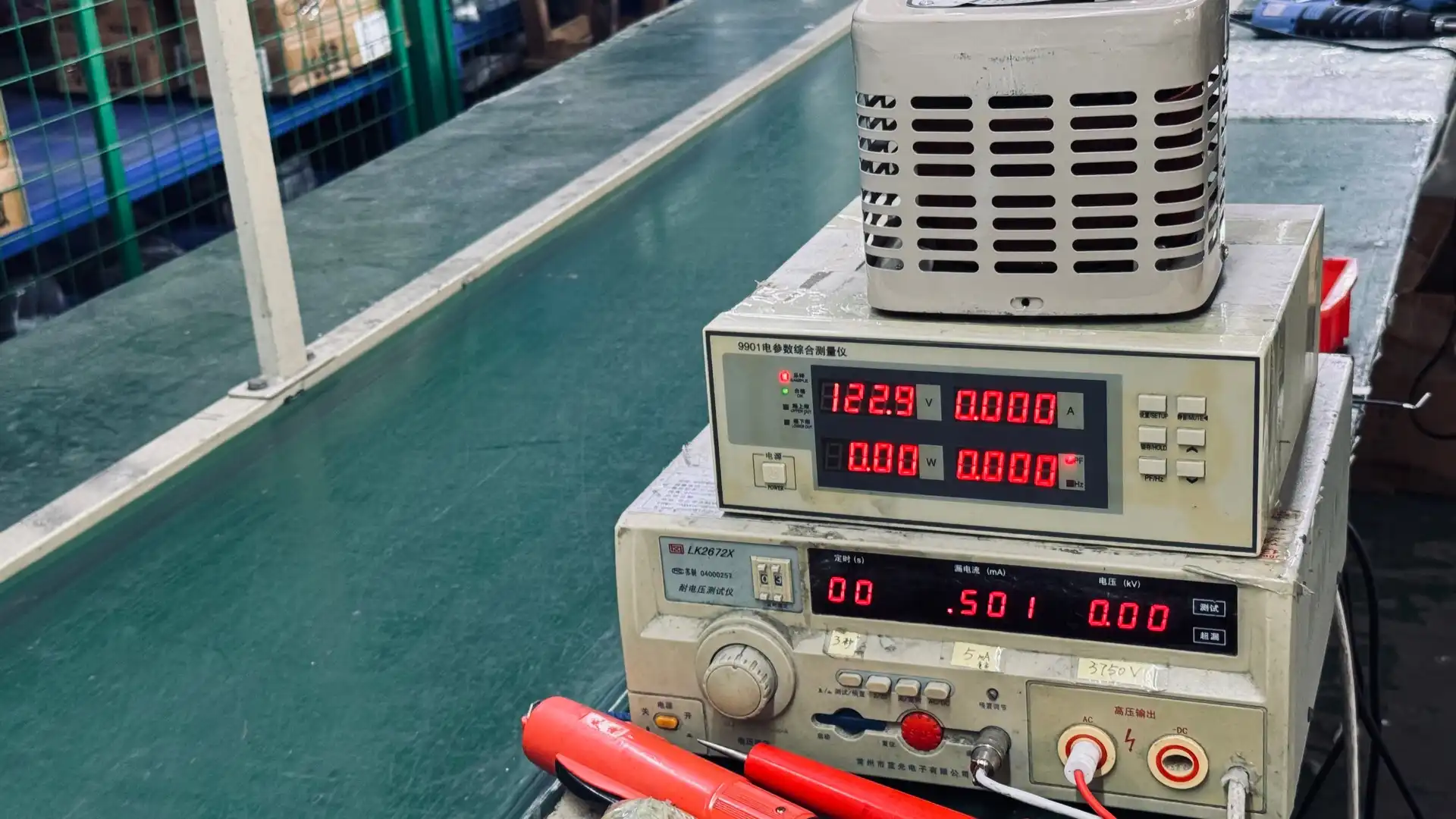
Expertise in manufacturing is demonstrated not by marketing claims but by verifiable QC infrastructure. AIMA operates a dedicated in-house QC laboratory equipped for the full spectrum of international certification testing:
- RoHS compliance testing — verifying restricted substance limits for the European market
- Drop testing & vibration testing — simulating international shipping conditions
- Glow-wire testing — fire resistance verification required by IEC standards
- Ball-pressure testing — thermal deformation resistance for plastic components
- Leakage current testing — electrical safety under fault conditions
- Hipot (high potential) testing — dielectric withstand verification on every critical component
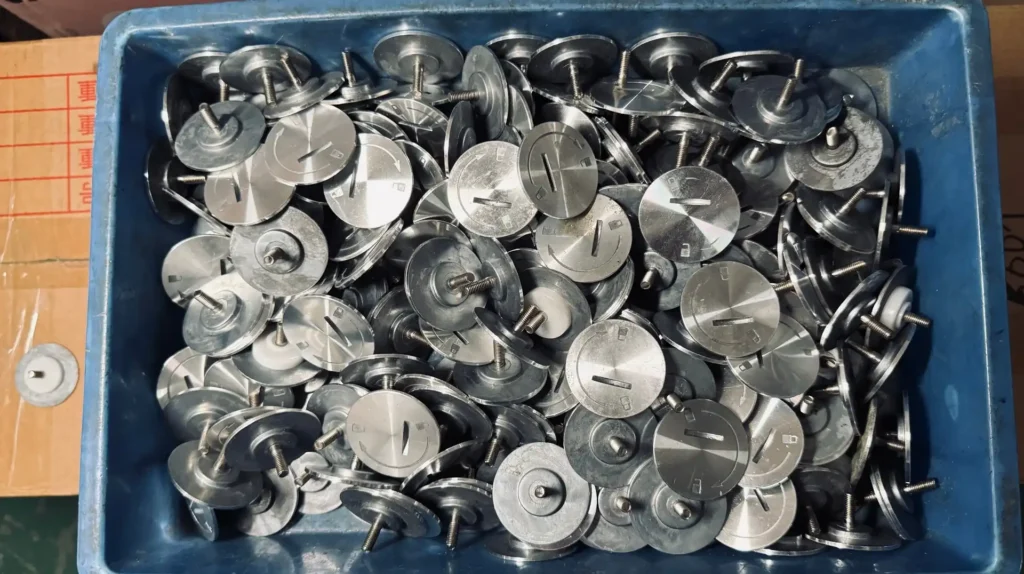
The IQC (Incoming Quality Control) process is particularly important for retail buyers: 100% of critical components — motors, blade assemblies, electronic controls — are individually inspected before assembly begins. This upstream QC prevents defective batches from ever reaching the production floor, reducing the risk of field failures and warranty claims that damage retailer reputation.
Authoritativeness: Internationally Recognized Certifications & Trade Presence
For European and North American retail buyers, product certification is non-negotiable. A certificate from an unrecognized lab, or worse, a self-declared “CE mark” without supporting test reports, can result in customs rejection, product recalls, and liability exposure.
AIMA holds the full set of certifications required for retail distribution in both markets:
| Certification | Relevance for Retail Buyers |
|---|---|
| CE (Conformité Européenne) | Mandatory for all products sold in the EU/EEA — covers health, safety, and environmental standards |
| CB Scheme (IECEE) | International mutual recognition of safety test results — accelerates national certification in 50+ countries |
| RoHS (Restriction of Hazardous Substances) | Required for EU market access — verifies restricted substance limits on lead, mercury, cadmium, etc. |
| UL-ready (Underwriters Laboratories) | Design and component selection pre-aligned with UL standards for North American market entry |
| ISO 9001 | International quality management standard — demonstrates systematic process control, not just product-level testing |
Beyond certifications, AIMA’s participation at HOTELEX Shanghai 2026 (Hall 2.2, Booth B15) provides an additional layer of verifiable legitimacy. HOTELEX is the premier hospitality equipment trade show in Asia, and exhibitor listings are publicly searchable in the official show directory. Any buyer can independently verify that “Zhongshan AIMA Electrical Appliance Co., Ltd.” was a confirmed exhibitor — no trading company can fabricate this. Read AIMA’s HOTELEX 2026 recap for booth photos and exhibitor search verification.
Trustworthiness: Transparent Operations & Dual-Brand Clarity
Trust in a factory relationship is built on operational transparency. AIMA addresses this at multiple levels:
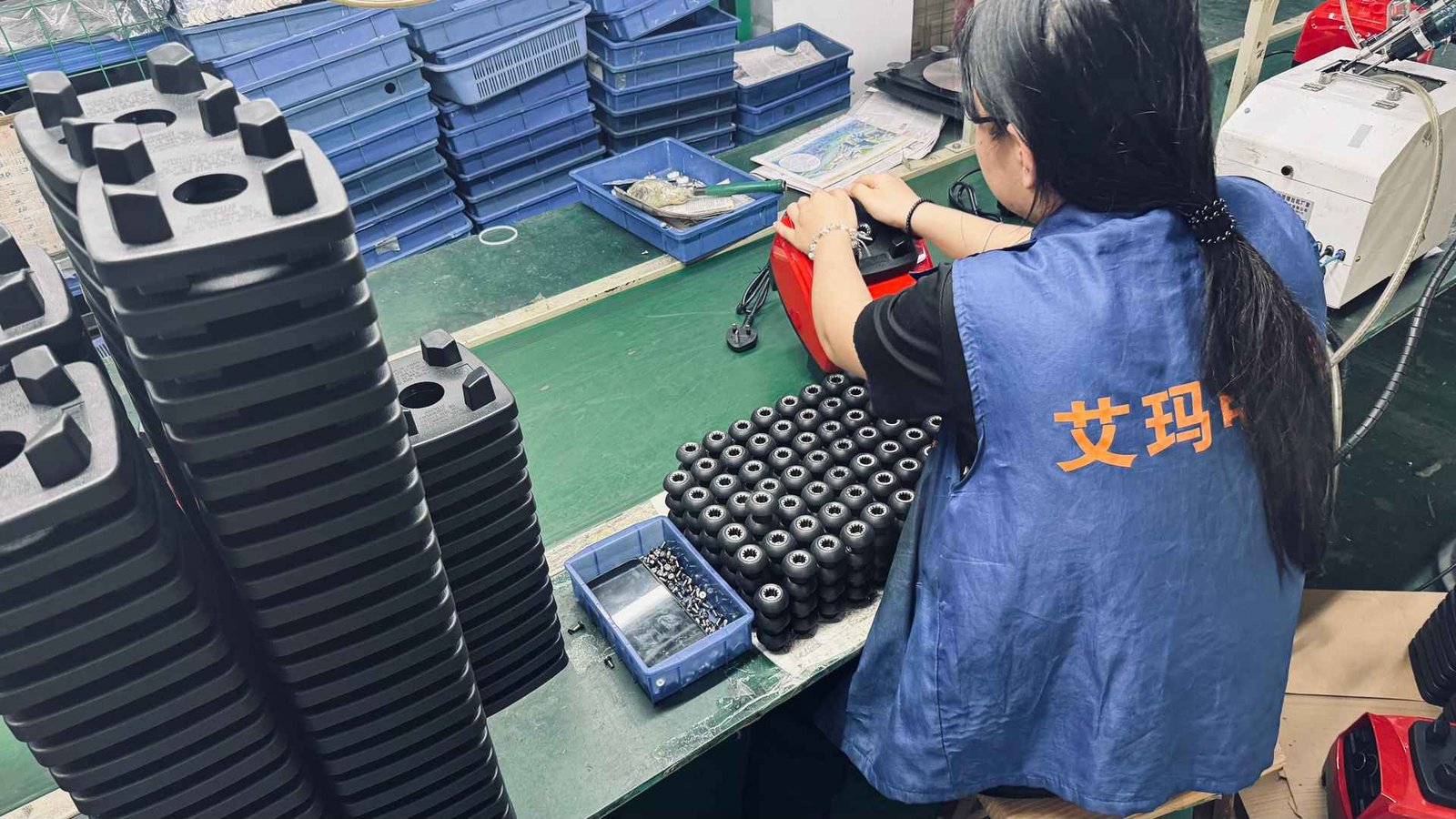
- Dual-brand clarity: AIMA is the industrial manufacturing entity; OTOJIA is the premium international trademark used for export and distribution. Both brands ship from the same factory floor at No.1 Wenxian Road, Xiaolan Town, Zhongshan. There is no shell company, no hidden trading layer — the factory’s physical address, phone number (+86 760-22558182), and 5S-managed production floor are all verifiable.
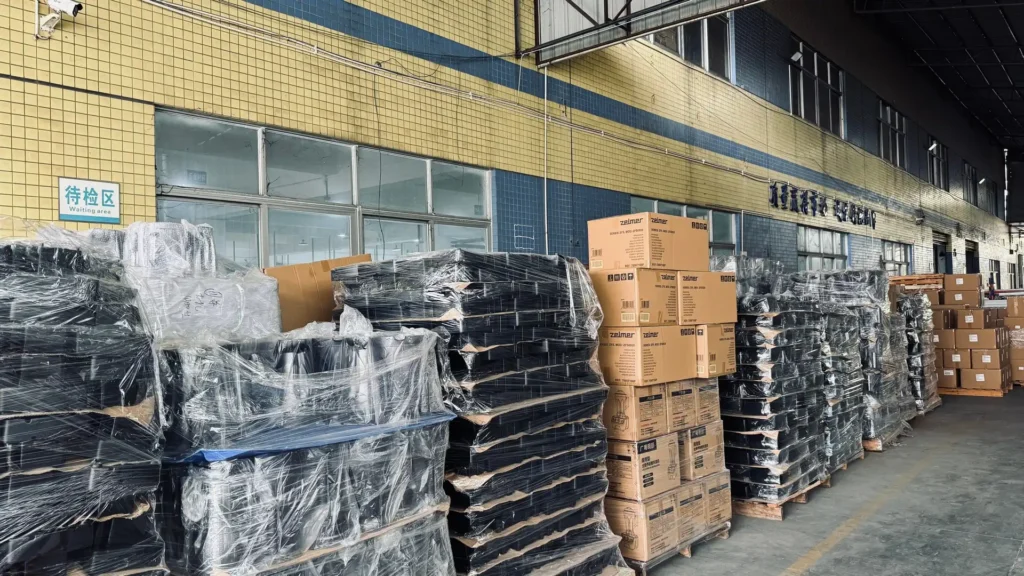
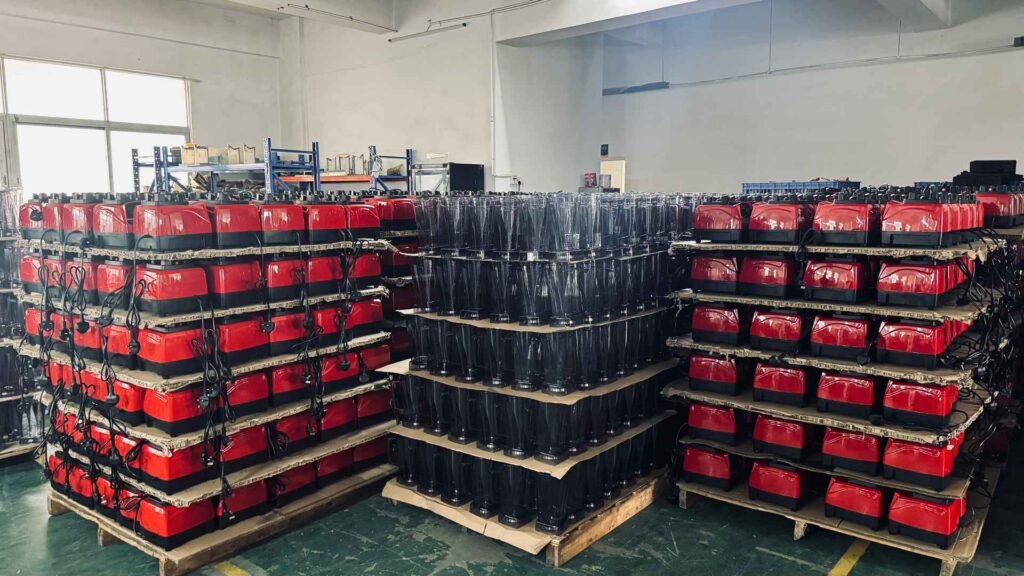
- Factory floor documentation: Production line photos and videos — worker assembly stations, QC checkpoints, automated packaging lines, finished goods warehouse — are openly shared with prospective buyers before any order is placed.
- Direct engineering communication: OEM/ODM discussions happen with the production team, not a sales intermediary. Specification sheets, voltage requirements, and packaging designs go directly to the people who will implement them.
3. Product Lines Built for Retail & Wholesale Distribution
A retailer’s or wholesaler’s product selection decisions are fundamentally different from those of an individual restaurant owner. Shelf space is limited, warranty liability is real, and per-unit margins depend on container-loading efficiency. AIMA’s product catalog is designed with these retail economics in mind. Browse all categories at aimazs.com.
Commercial Food Slicers: High-Demand SKUs for Retail Shelves
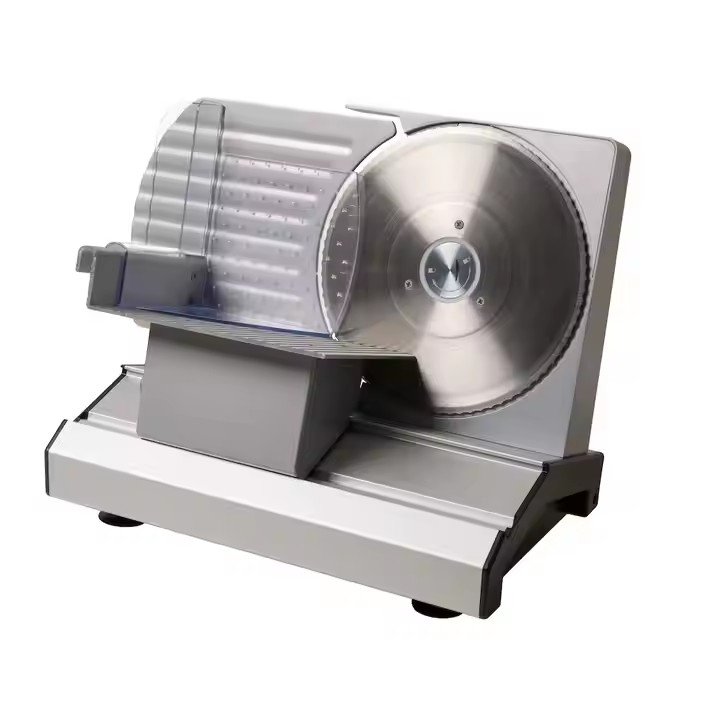
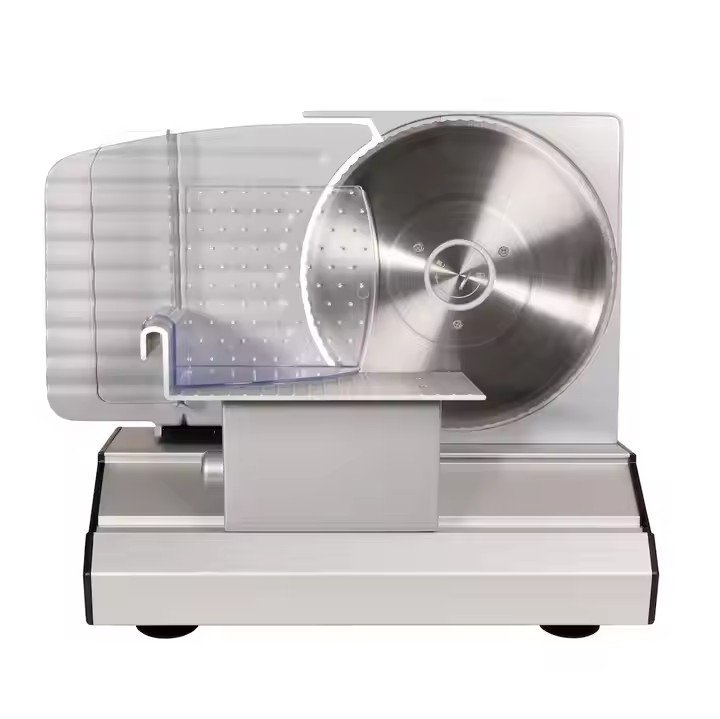
The commercial food slicer category — covering deli counters, butcher shops, restaurant prep stations, and supermarket fresh departments — represents consistent, non-seasonal demand across North America and Europe. AIMA’s slicer lineup, available at the Food Slicers category, offers clear tier differentiation for retail pricing strategies:
| Model | Blade | Housing | Drive | 40HQ Load | Retail Tier |
|---|---|---|---|---|---|
| MS-2203 | 220mm (8.7″) | Iron Casting | Gear | 1,380 | Premium — full metal construction |
| MS-2202 | 220mm (8.7″) | Iron Casting | Gear | 1,380 | Premium — iron casting with anti-drift ribs |
| MS-2201 | 220mm (8.7″) | Aluminum Casting | Gear | 1,428 | Mid-tier — lighter, higher container density |
| MS-1909 | 190mm (7.5″) | Iron Casting | Gear | 1,500 | Value-tier — highest load, compact footprint |
Commercial Blenders: 2200W Performance for Hospitality & Food Service
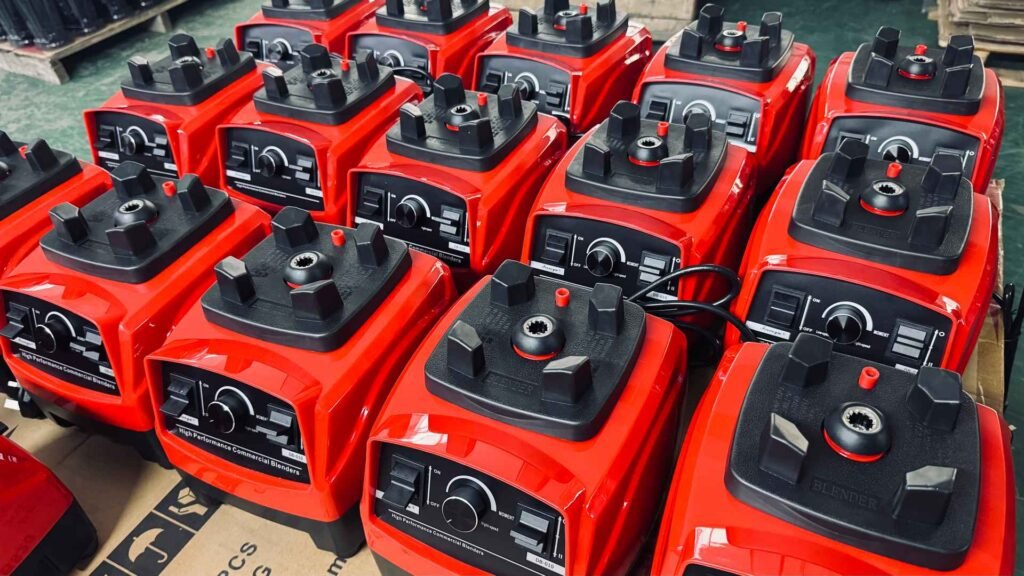
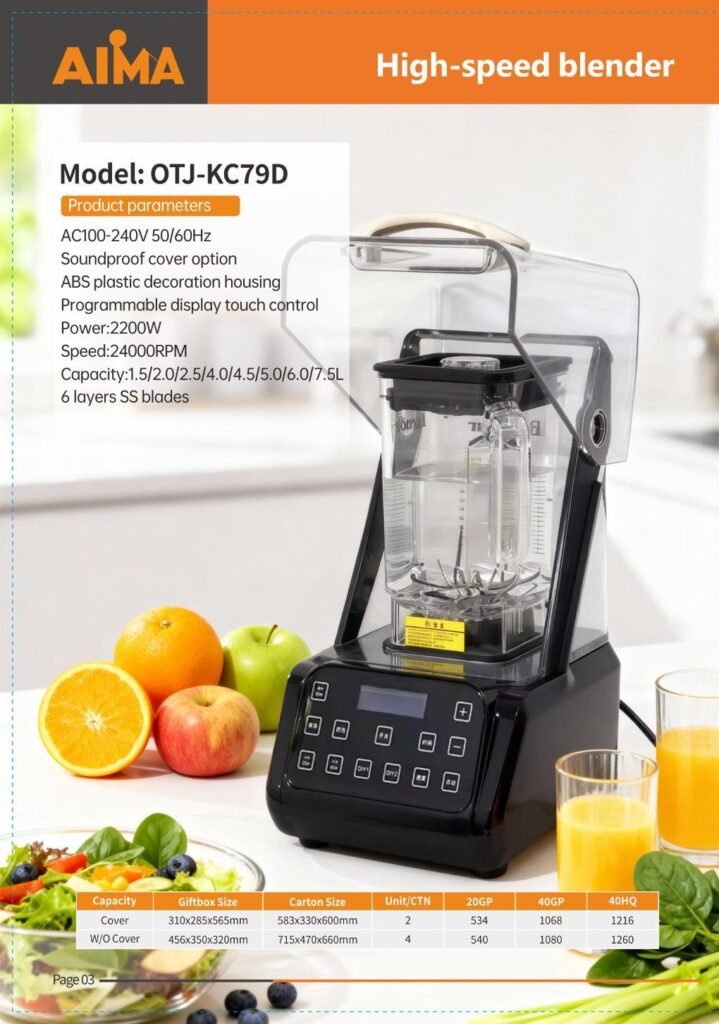
The commercial blender category serves hotel kitchens, smoothie chains, juice bars, and restaurant prep stations — all high-utilization environments where motor quality is the single most important reliability factor. AIMA’s blender series delivers 24,000 RPM from an in-house manufactured 2200W pure copper motor, with models spanning from basic variable-speed to fully soundproof enclosures:
| Model | Control | Capacity | Key Retail Feature | Link |
|---|---|---|---|---|
| OTJ-KC78D | Touch Screen | 1.5–7.5L | Soundproof enclosure — hotel/office compatible | View |
| OTJ-KC79D | Touch Screen | 1.5–7.5L | Optional soundproof cover — flexible SKU | Contact factory |
| OTJ-669 | Knob + Pulse | 1.5–7.5L | Professional variable speed — chef-preferred interface | View |
| OTJ-632 | Knob + Timer | 1.5–7.5L | Optional timer — consistent batch processing | View |
For hotel and commercial residential buyers, the OTJ-KC78D’s integrated soundproof enclosure is a standout feature — it allows high-power blending in open-plan hotel breakfast areas, residential common kitchens, and office pantries without noise complaints. All models support universal voltage (AC 100–240V 50/60Hz) and carry CE/CB certification for plug-and-play EU distribution.
Induction Cooktops: Built for Commercial Kitchens, Packed for Retail
Induction cooking is growing rapidly in both European residential and North American commercial markets. AIMA’s induction cooktop lineup includes single and dual-head configurations with IPX4–IPX6 waterproof ratings — a critical differentiator for commercial kitchen environments where spills are inevitable:
| Model | Power | Burners | Waterproof | 40HQ Load |
|---|---|---|---|---|
| OTJ-35K2-E | 3500W x 2 | Dual | IPX6 | 437 |
| OTJ-3509 | 3500W | Single | IPX6 | 688 |
| OTJ-2801 | 3500W | Single | IPX4 | 1,254 |
For hotel and commercial residential procurement, the IPX6-rated models (OTJ-35K2-E and OTJ-3509) offer protection against powerful water jets — suitable for high-pressure cleaning environments in professional kitchens.
4. Container Economics: Why Loading Density Determines Retail Viability
For wholesale and retail buyers importing by the container, per-unit landed cost is the number that determines whether a product is profitable or not. This cost has two components: the ex-factory unit price and the shipping cost per unit. The second component depends entirely on how many units fit in a container.
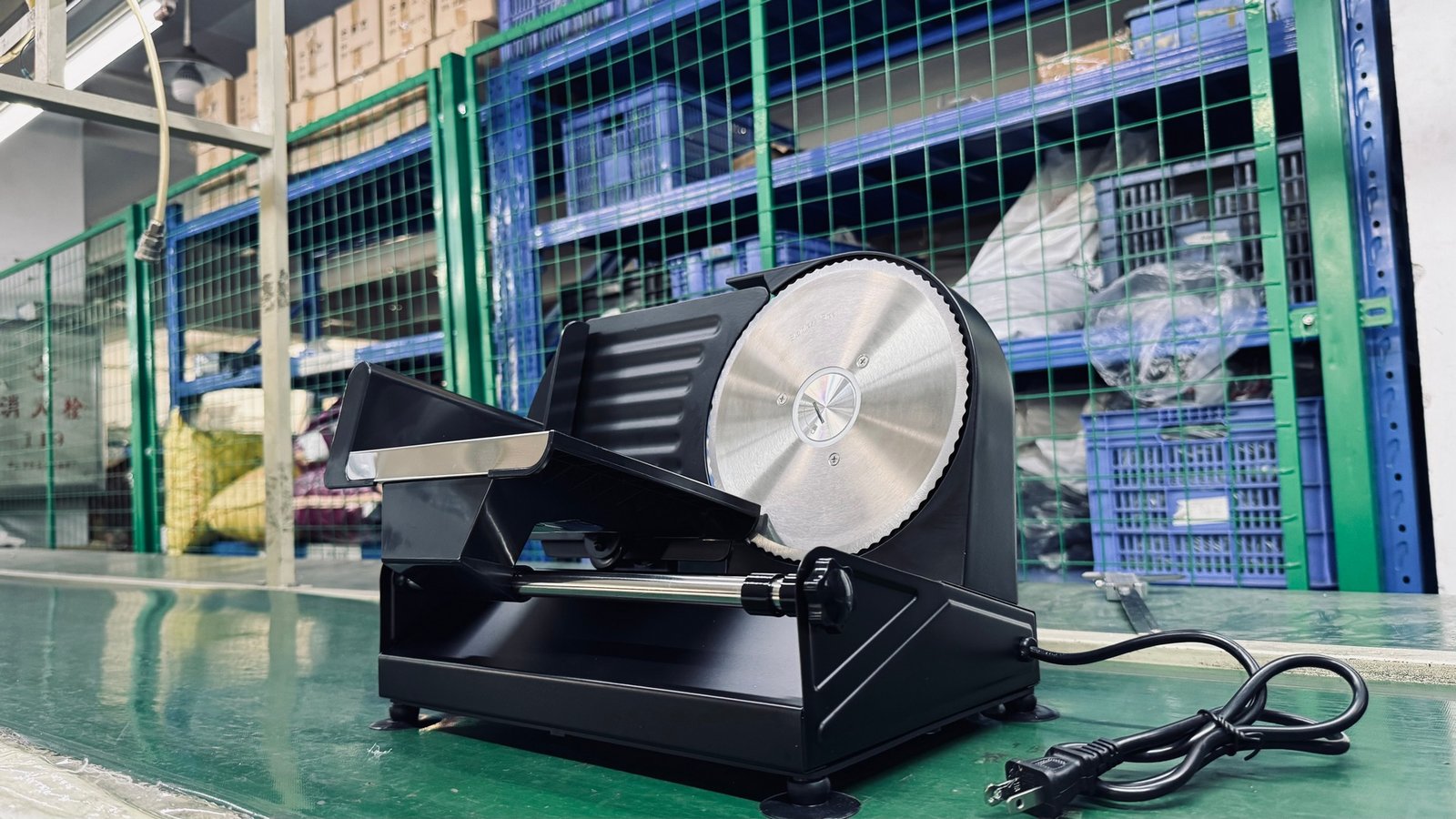
AIMA’s products are engineered for high-density container loading — a design consideration that reflects the factory’s 15-year understanding of export logistics:
| Product Line | Units per 40HQ | Freight Cost per Unit | Retail Margin Impact |
|---|---|---|---|
| Food Slicer MS-1909 | 1,500 | Lowest | Highest margin potential |
| Food Slicer MS-2201 | 1,428 | Very Low | Strong margin |
| Food Slicer MS-2202/2203 | 1,380 | Low | Good margin with premium pricing |
| Commercial Blender | 1,380 | Low | Good margin — mixable with slicers |
| Induction OTJ-2801 | 1,254 | Moderate | Compact unit — low absolute freight |
Smart wholesale buyers use mixed containers: combine high-density slicers with blenders to optimize the entire 40HQ cube. AIMA’s logistics team can provide mixed-container loading plans before you commit to a purchase order.
5. OEM/ODM: Private Label for Retail & Hospitality Brands
Supermarket chains, hotel groups, and regional wholesalers increasingly need private-label appliances that carry their own brand identity. AIMA’s OEM/ODM program is designed for retail-scale customization with factory-direct communication — no intermediary to misinterpret your requirements:
| Customization Layer | What’s Available | Example Use Case |
|---|---|---|
| Voltage & Plug | Any regional standard | UK 3-pin for British supermarket chain; NEMA 5-15 for US retail |
| Color & Finish | Custom housing colors | Matte black finish for a premium hotel house brand |
| Branding | Laser engraving, silk screen, embossing | Supermarket private label logo on every unit |
| Packaging | Full retail box, private label, neutral carton | Shelf-ready retail packaging with barcode and multi-language manual |
| Accessories | Custom bundle configuration | Hotel kitchen starter kit with spare blade + cleaning tools |
This is not a “minimum 10,000 units” OEM program. AIMA works with mid-volume wholesale buyers who need consistent quality across container-sized orders — the sweet spot for regional distributors and supermarket chains building their private-label kitchen appliance range.
6. Compliance Documentation: What Every Retail Buyer Should Request
For North American and European retail, compliance documentation is not optional — it is a legal requirement and a precondition for customs clearance. When evaluating any factory partner, here is the minimum documentation set you should receive before placing an order:
- CE Declaration of Conformity — with the notified body number and applicable directives listed
- CB Test Certificate — issued by an IECEE-recognized national certification body
- RoHS Test Report — from an accredited third-party laboratory, not a factory self-declaration
- ISO 9001 Certificate — current and within the surveillance audit cycle
- Factory Audit Report — if available; third-party audits (SGS, Bureau Veritas, TÜV) add significant credibility
- Product Liability Insurance — confirm coverage scope and territorial validity
AIMA provides all of the above upon request. The factory’s products carry CE, CB, and RoHS certification, and are UL-ready — meaning component selection and design parameters are pre-aligned with UL standards, significantly reducing the time and cost of obtaining full UL listing for the North American market.
7. Supply Chain Reliability: What 15 Years of Export Experience Means for Your Inventory
For a supermarket chain planning a seasonal promotion or a hotel group outfitting a new property, delivery reliability is as important as product quality. A missed shipment window can mean empty shelves during peak selling season or delayed hotel openings — costs that far exceed any per-unit savings from a cheaper supplier.
AIMA’s 15-year track record in export manufacturing provides several structural reliability advantages:
- Established raw material supply chains: Long-term relationships with steel, copper, and electronic component suppliers reduce the risk of production delays due to material shortages.
- In-house motor production: The single most critical component — the motor — is not dependent on third-party delivery schedules.
- 5S production management: Organized, standardized workstations and workflows reduce assembly errors and rework that cause delays.
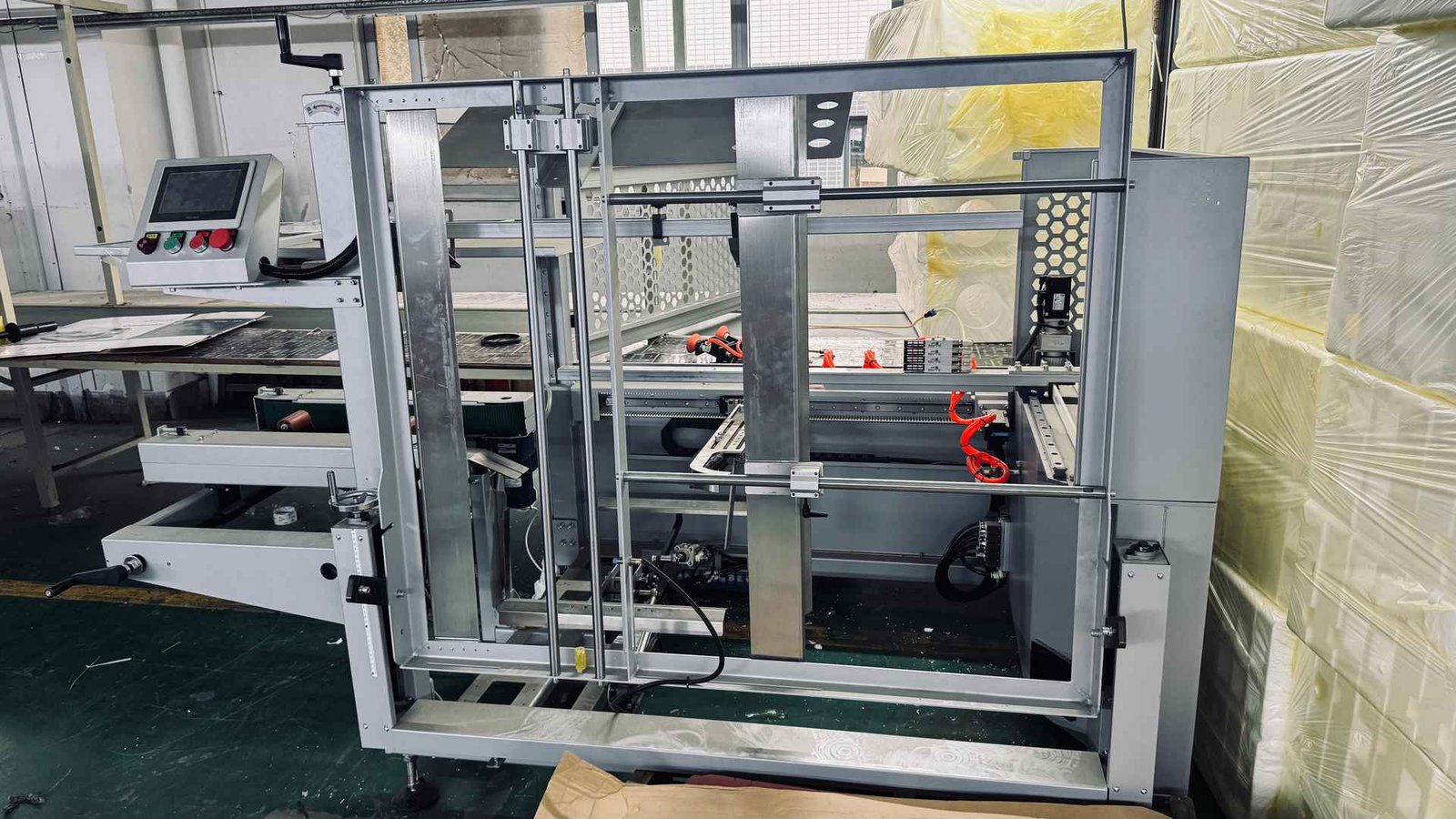
- Automated packaging: Consistent, efficient end-of-line packaging eliminates the bottleneck that manual packing creates at high volumes.
8. How to Begin: A Procurement Roadmap for Retail & Wholesale Buyers
If you are a procurement manager evaluating factory-direct sourcing for the first time, here is a structured approach that minimizes risk while maximizing the value of a direct relationship:
Phase 1: Qualification (1–2 Weeks)
- Visit aimazs.com and review the full product catalog, including the food slicer and blender product pages
- Request certification documentation: CE, CB, RoHS, ISO 9001
- Verify the factory’s trade show presence: search for “Zhongshan AIMA Electrical Appliance Co., Ltd.” in the HOTELEX exhibitor directory
- Review factory floor imagery and video content on YouTube and LinkedIn
Phase 2: Sample Evaluation (2–4 Weeks)
- Select 2–3 target models based on your retail category strategy
- Request sample units with your target voltage and plug configuration
- Conduct in-house quality and performance testing — run the units through your retail QA protocol
- Evaluate packaging quality and in-box presentation for retail readiness
Phase 3: Commercial Negotiation (1 Week)
- Discuss OEM/ODM requirements: branding, color, packaging, voltage
- Confirm container loading plans — mixed container optimization if ordering multiple product lines
- Agree on payment terms, production timeline, and shipping schedule (FOB Shenzhen/Yantian)
- Request and review the proforma invoice with complete specifications
Phase 4: Production & Shipment (4–8 Weeks)
- Optional: third-party pre-shipment inspection (SGS, Bureau Veritas, or your nominated inspector)
- Confirm final shipping documentation: commercial invoice, packing list, bill of lading, certificate of origin
- Receive and process your first container
Primary contact for all procurement inquiries: Ricardo, Marketing & Supply Chain Manager — sales1@zs-aima.com or sales2@zs-aima.com. Factory direct line: +86 760-22558182.
9. Why Now: The Market Window for Factory-Direct Retail Sourcing
Several converging trends make 2026 an opportune moment for retail and wholesale buyers to establish direct factory relationships in commercial kitchen appliances:
- Post-pandemic supply chain restructuring: Retailers and distributors are actively shortening their supply chains, reducing dependence on multi-tier distribution that proved fragile during disruption.
- Private label growth: Supermarket chains across Europe and North America are expanding their private-label appliance ranges — a trend that directly benefits from factory-direct OEM capability.
- Hotel and commercial residential expansion: New hotel construction and commercial-to-residential conversions are creating fresh demand for bulk kitchen equipment procurement.
- Tariff-optimized sourcing: Factory-direct relationships allow buyers to structure shipments and documentation in ways that minimize tariff exposure — something impossible when buying through an importer who controls the paperwork.
The buyers who establish direct factory relationships today will be the ones with the strongest margin structures and most reliable supply chains two years from now. The window is open — but it will not stay open indefinitely as more competitors discover the same path.
Conclusion: Retail-Grade Quality Starts at the Factory Floor
Supermarket chains, hotel procurement groups, commercial residential developers, and regional appliance wholesalers share a common requirement: consistent quality at scale, with complete compliance documentation and reliable container-level delivery. These are not things you get from a trading company — they are things you get from a factory that has spent 15 years building exactly these capabilities.
AIMA Electrical delivers the full package: ISO9001-certified production, CE/CB/RoHS-compliant products, in-house motor manufacturing, a dedicated QC laboratory, HOTELEX-verified trade presence, and a dual-brand strategy (AIMA + OTOJIA) that serves both industrial and retail distribution channels. Whether your next container needs heavy-duty food slicers for supermarket deli departments, soundproof commercial blenders for hotel breakfast buffets, or a full private-label kitchen appliance range, you are talking directly to the people who build them.
Keywords: commercial kitchen appliances wholesale supplier, food slicer OEM factory, commercial blender supplier Europe, hotel kitchen equipment wholesale, supermarket appliance supplier, private label kitchen appliances, China kitchen appliance manufacturer CE certified, induction cooktop wholesale, retail appliance OEM factory.