
Table of Contents
1. The European Restocking Cycle
European kitchen appliance demand peaks twice per year. The first peak follows the summer holiday season, and the second peak builds before Christmas and Black Friday promotions.
Therefore, replenishment planning must start four to five months before a peak. Ocean freight, customs clearance, and warehouse intake consume most of that window.
Consequently, experienced buyers place production orders before demand becomes visible. They rely on sell-through data and agreed safety stock rather than on spot shortages.
1.1 Why Lead Time Variability Hurts
Late arrival forces sellers to miss promotional calendars. Additionally, air freight for heavy appliances destroys margin, so a delayed container rarely has a profitable rescue plan.
1.2 Building Buffer Stock
Retail chains typically hold four to six weeks of cover on fast-moving models. Moreover, they schedule one container per region rather than one container per country.
2. Core Product Family Parameters
A reliable commercial kitchen appliance supplier Europe buyers can standardise on should offer both food preparation and beverage equipment. Therefore, the AIMA range combines slicers and blenders under one certification umbrella.
| Model | Category | Key Parameters | Best Application |
|---|---|---|---|
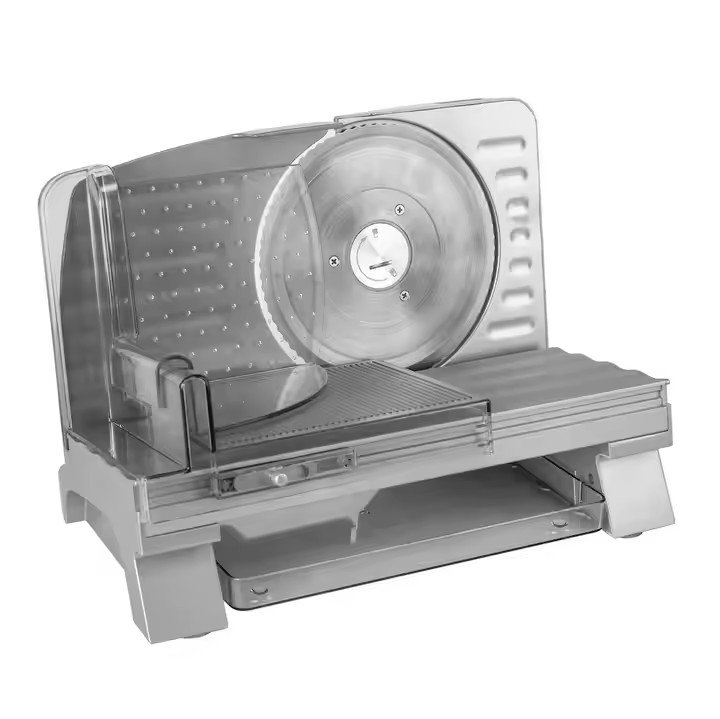
| MS-1701 | Electric food slicer | 170mm blade, 220W motor, 0-15mm thickness | Convenience stores, deli counters |
| MS-1909 / MS-2203 | Electric food slicer | 190mm / 220mm blade, 0-15mm / 0-20mm | Supermarket deli and meat counters |
| OTJ-388 | Commercial blender | 2200W motor, high speed, ice crushing blade | Cafes, juice bars, bakery kitchens |
| OTJ-KC78D | Soundproof blender | 2200W, 24,000 RPM, acoustic enclosure | Front-of-house beverage programs |
| OTJ-669 | Commercial blender | 2200W, variable knob plus pulse | Volume beverage preparation |
2.1 Voltage and Plug Configuration
EU shipments normally use 220-240V with a VDE Schuko plug. Additionally, UK BS 1363, Swiss, Danish, and Italian plug variants are produced for specific markets.
2.2 Spare-Part Compatibility
Blades, carriages, jars, and drive sockets share common designs across models. As a result, distributors reduce stock-keeping units without reducing service coverage.
3. MOQ, Lead Time and Payment Terms
Order structure determines both price and delivery certainty. Therefore, align internal planning with these typical conditions.
| Stage | Typical Arrangement | Planning Note |
|---|---|---|
| Sample order | Trial quantity for evaluation | Allows in-store testing before commitment |
| Mixed pallet order | Several SKUs in one shipment | Useful for regional pilots |
| 40HQ container | Best FOB price tier | Dedicated production slot |
| Production lead time | 3-4 weeks after deposit and artwork approval | Excludes ocean transit |
| Payment terms | Deposit before production, balance against B/L copy | Standard export arrangement |
3.1 Deposit and Artwork Approval
Lead time starts when both the deposit and the final artwork are confirmed. Consequently, slow internal approval cycles extend delivery dates.
3.2 Repeat Order Stability
Repeat orders follow the approved specification and packaging. Therefore, they usually move faster than the first order.
4. Quality Control Checklist
Buyers should confirm inspection scope in writing before production. Therefore, use the checklist below as a shared reference.
- Incoming parts: dimensional and material verification against drawings.
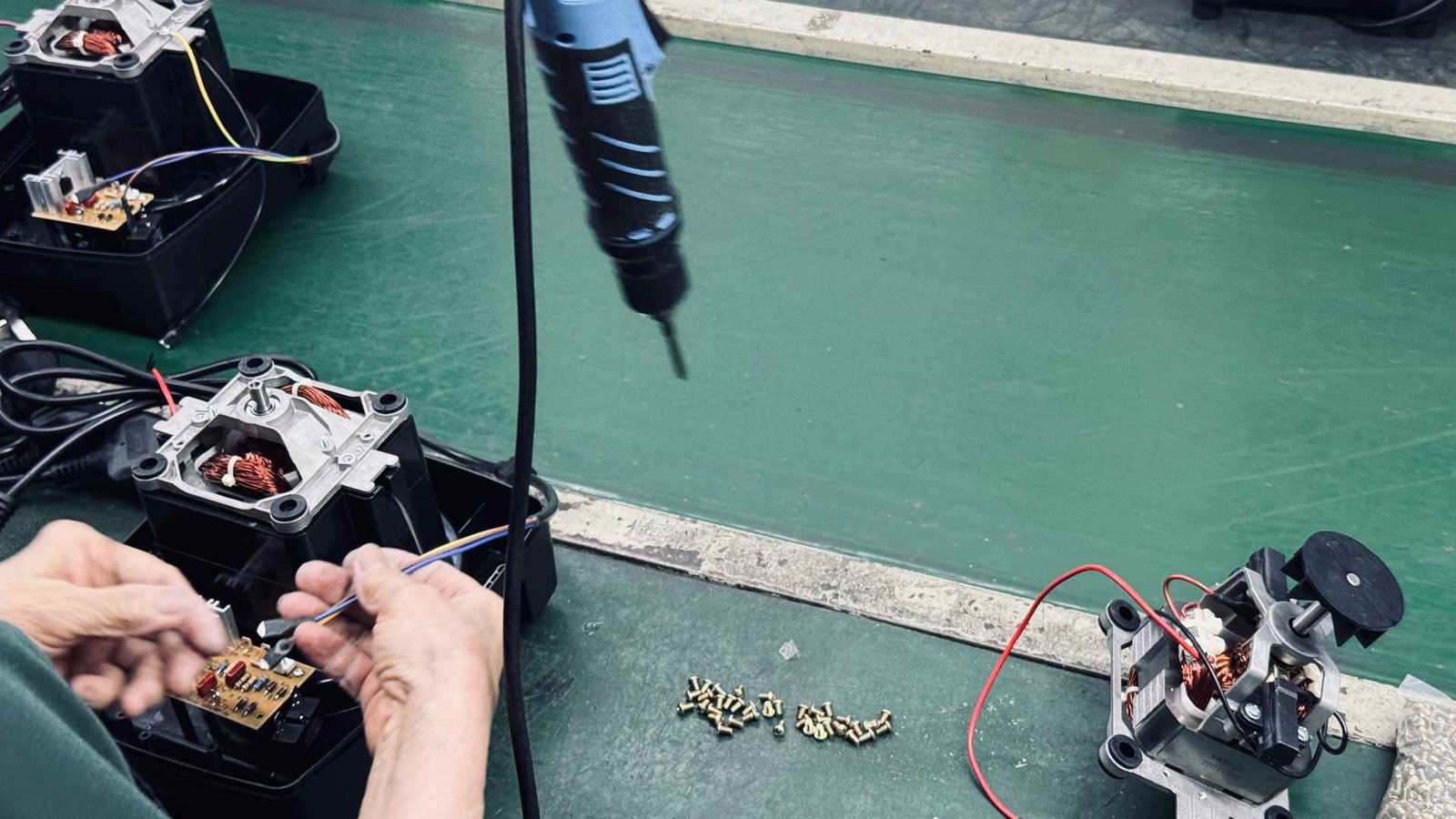
- Motor station: winding inspection and insulation resistance measurement.
- Assembly: torque verification on blade and drive fasteners.
- Electrical safety: 100% hipot testing before packing.
- Functional test: sample slicing or blending trial per batch.
- Packing: carton weight, barcode, and closure check.
4.1 Inspection Reports
Each shipment can include a batch inspection record. Additionally, third-party inspection is supported when arranged in advance.
4.2 Handling Non-Conformities
If a defect appears, we trace the production batch and confirm root cause before replacement shipment. As a result, repeat failures are prevented rather than absorbed.
5. Compliance and Certification Files
Documentation requests differ between buyers, therefore prepare the full set once and reuse it.
The primary EU references are LVD 2014/35/EU for electrical safety and EMC 2014/30/EU for electromagnetic compatibility. In addition, RoHS 2011/65/EU restricts hazardous substances.
Our published certification library lists the certificates available for each product family, and you can review it on the AIMA compliance hub. For a regional overview, read the CE LVD and EMC EU sourcing guide.
6. Container Loading and Freight Planning
Container efficiency directly reduces landed cost. Therefore, plan mixed loads before confirming quantities.
| Item | Planning Data |
|---|---|
| Slicer loading density | Approximately 1,380-1,500 pcs per 40HQ depending on model |
| Blender loading density | Approximately 1,380 pcs per 40HQ for standard configurations |
| Mixed loading | Recommended for pilot ranges spanning several SKUs |
| Pallet pattern | EUR pallet compatible diagrams issued before shipment |
| Documentation | Packing list, CBM data, and container plan available on request |
6.1 Freight and Customs Preparation
Provide the consignee details, HS codes, and certificate references to your forwarder early. Consequently, clearance proceeds without document queries.
6.2 Warehouse Intake Planning
Carton dimensions and weights should be shared with the receiving warehouse. As a result, unloading labour and storage slots are ready on arrival day.
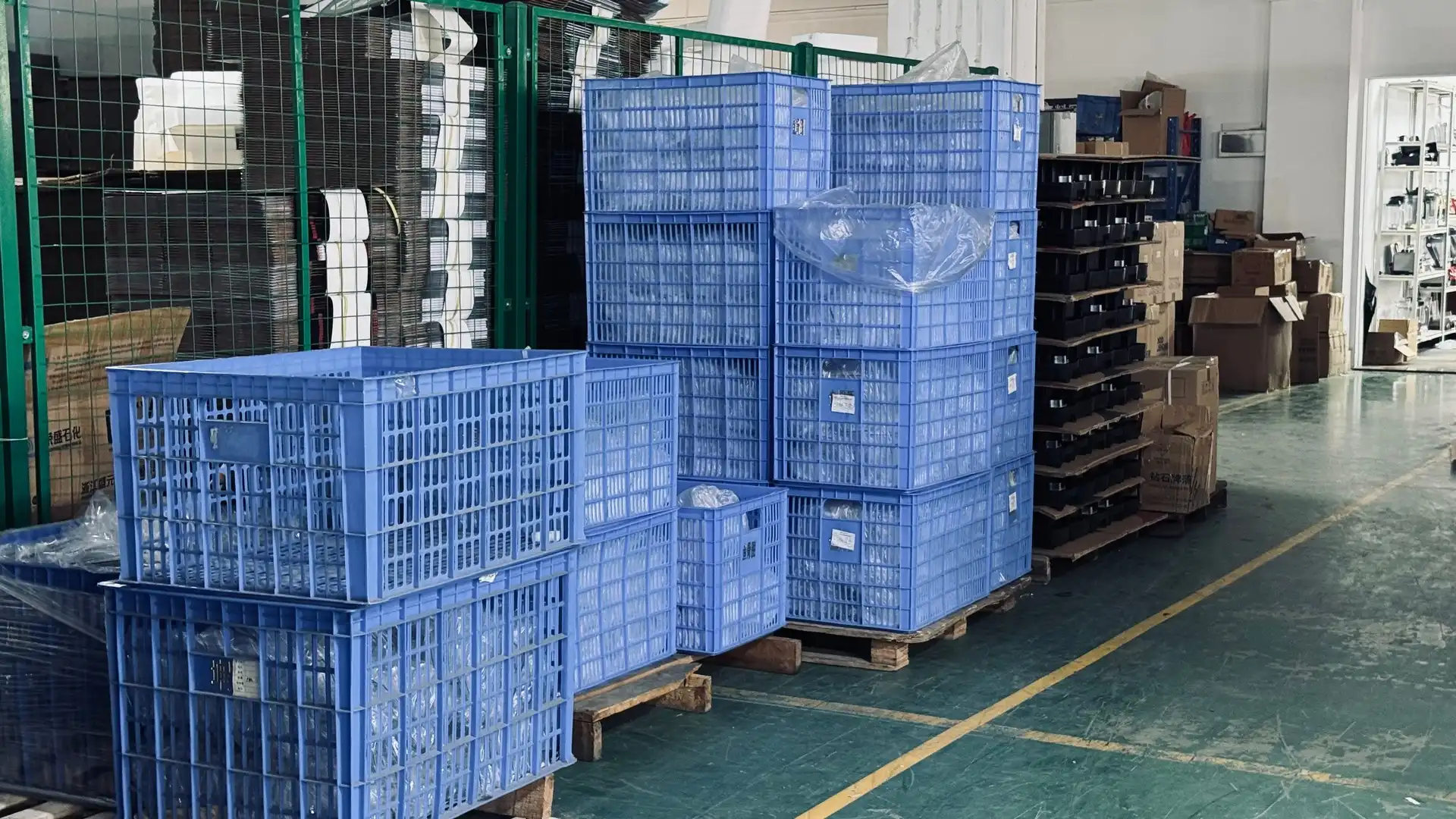
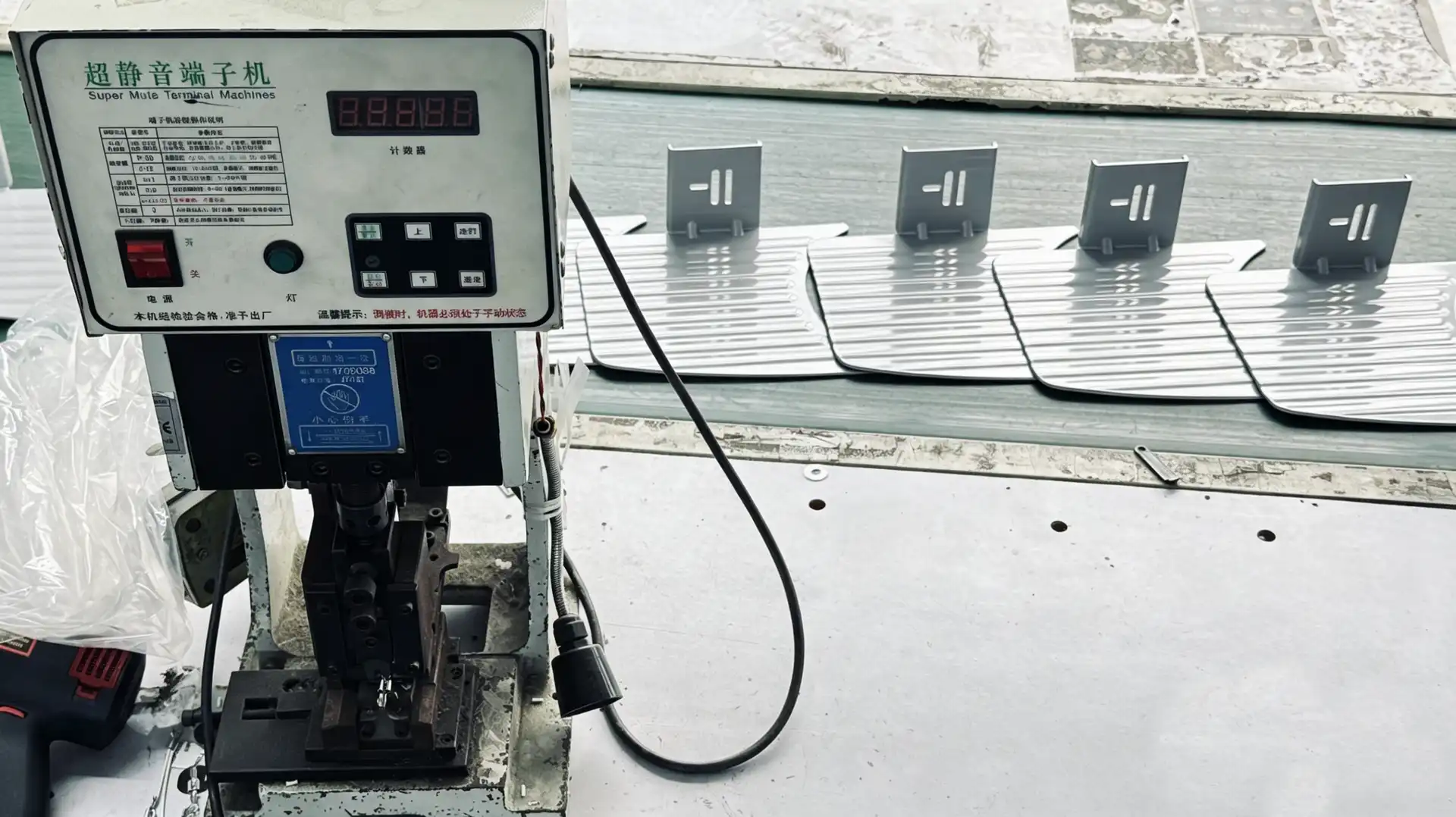
7. Factory Workshop Evidence
Supply reliability depends on the factory, not only on the product. Therefore, we document the production environment for buyer review.
8. Supplier Vetting Advice
A supplier that communicates well before the order usually performs well after it. Therefore, test responsiveness during the inquiry stage.
- Response time: measure how quickly quotations and drawings arrive.
- Specification discipline: confirm the factory quotes the exact parameters you requested.
- Production evidence: request a live or recorded factory tour.
- Documentation access: verify that certificates are shared without delay.
- Repeat-order plan: agree on buffer stock rules and lead-time commitments.
Furthermore, start with a small mixed order. That trial reveals packaging quality and documentation accuracy before a national rollout.
9. Frequently Asked Questions (FAQ)
Q1: What lead time should a commercial kitchen appliance supplier Europe buyers plan for?
A: Allow three to four weeks for production after deposit and artwork approval, plus ocean transit and customs clearance time for your route.
Q2: Can slicers and blenders ship in one container?
A: Yes. Mixed loading is standard for pilot ranges, and our team issues a balanced loading plan with carton weights.
Q3: Which quality tests are performed before packing?
A: Every unit passes hipot electrical testing, with additional functional slicing or blending trials and packing checks per batch.
Q4: What documents are provided for EU compliance?
A: CE LVD and EMC Verifications of Conformity, Declaration of Conformity, RoHS summary, and ISO9001 certification are provided for the relevant model families.
Q5: Does AIMA support private label restocking programs?
A: Yes. Private label logos, branded cartons, multilingual manuals, and barcode labelling are available for repeat restocking programs.
Request Restocking Quotation
Contact our export team for product family pricing, MOQ guidance, container loading plans, and QC documentation for European restocking programs.
Email Our Export TeamDirect Contact: sales2@zs-aima.com