1. Introduction: Why Internal Architecture Matters for Commercial Procurement
For B2B buyers, distributors, and commercial kitchen equipment managers, evaluating a high-speed blender goes far beyond exterior aesthetics or peak wattage claims. In high-demand environments like juice bars, restaurant kitchens, and hotel chains, a blender operates under continuous, heavy loads.
Selecting equipment based purely on superficial specifications often leads to premature motor burnout, costly downtime, and potential electrical safety hazards. Understanding the internal engineering—ranging from motor winding quality to safety interlock mechanisms—is essential for calculating total cost of ownership (TCO) and ensuring long-term operational safety.
2. Verified Safety & Compliance: Navigating IEC 60335-2-14 Certification
In global trade, regulatory compliance is the first line of defense against product recalls and legal liability. Commercial food preparation equipment must comply with international safety standards, most notably IEC 60335-2-14 (the standard specifically governing electric kitchen machines) and IEC 60335-1 (general safety requirements for household and similar electrical appliances).
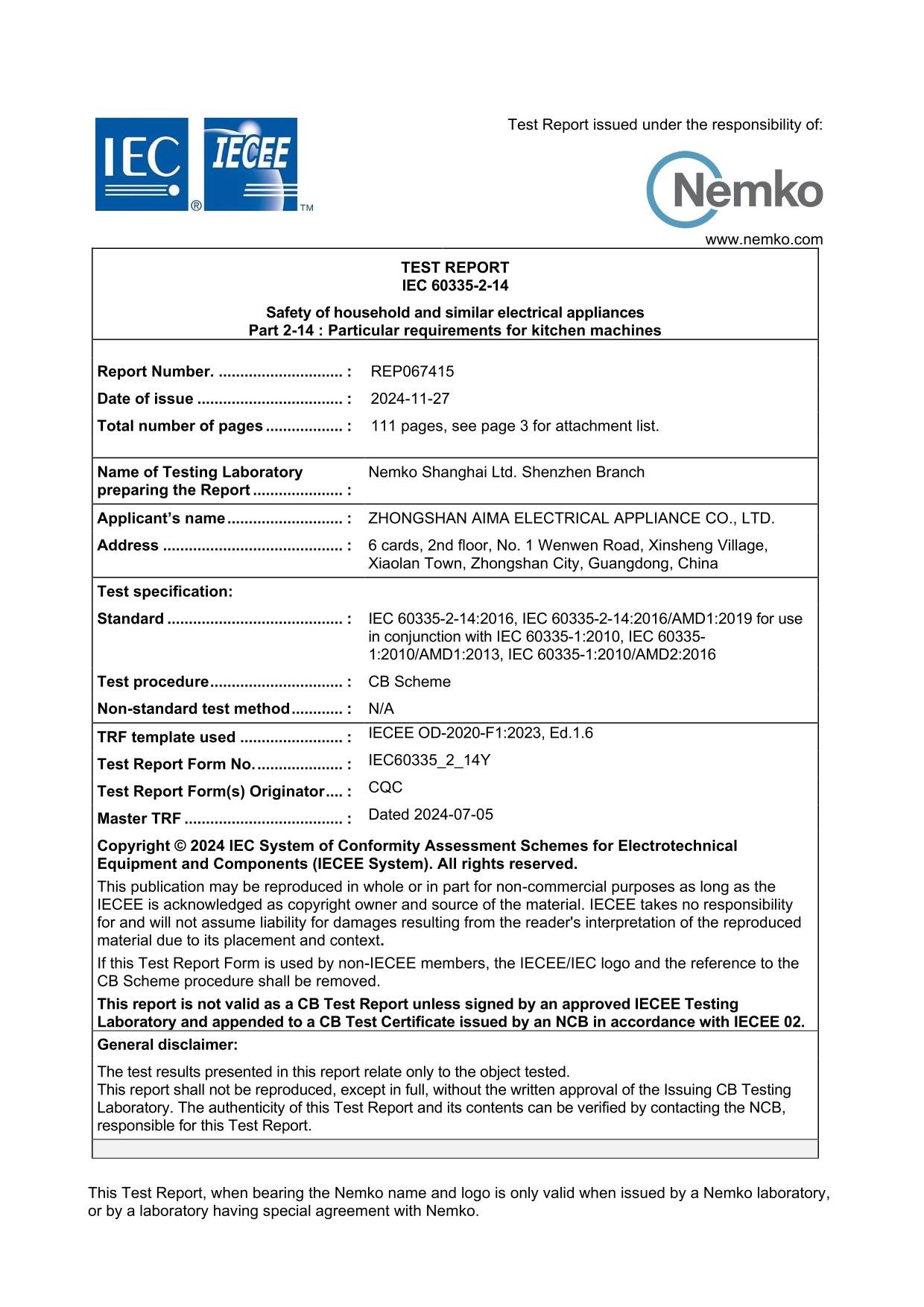
A valid CB Scheme test report from an accredited laboratory (such as Nemko or TÜV) proves that the equipment has undergone rigorous electrical, thermal, and mechanical stress testing under extreme operating conditions.
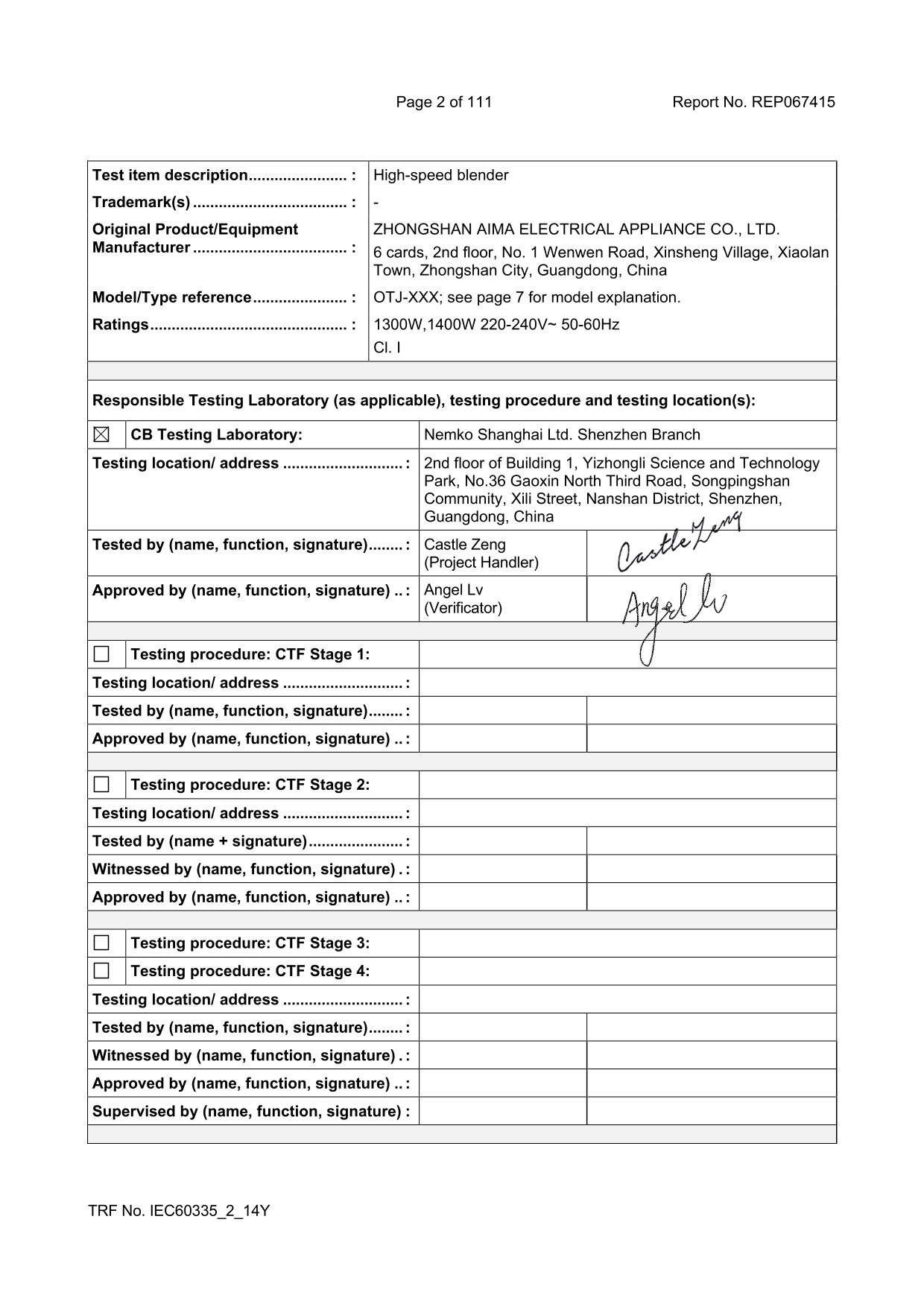
When auditing factory test reports, verify that the tested wattage matches the unit’s rated operating capacity under heavy load (e.g., 1300W–1400W at 220–240V~), ensuring the motor can handle tough blending tasks without overheating.
3. Quality Assurance: International Test Standards and Measurement Accuracy
Importing commercial appliances across international borders requires strictly checking national safety differences. A standardized core design must accommodate specific regional electrical codes to maintain safety compliance worldwide.
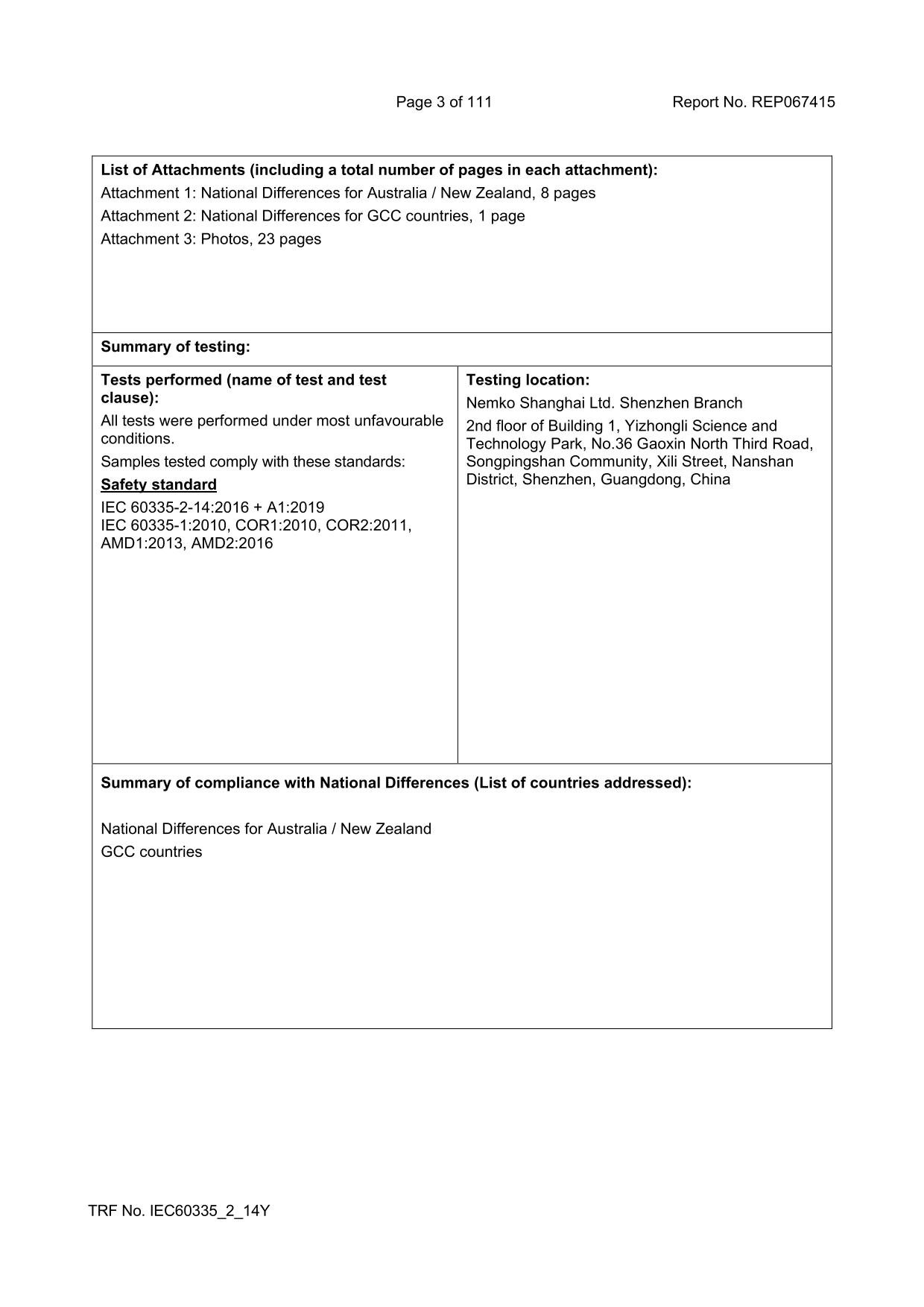
Key international compliance frameworks to verify include:
- GCC Countries: SASO and Gulf Conformity Mark (G-Mark) compliance for high-ambient temperature stability.
- Australia / New Zealand: AS/NZS 60335 electrical safety national variations.
- European Union: CE marking, Low Voltage Directive (LVD), and RoHS environmental compliance.
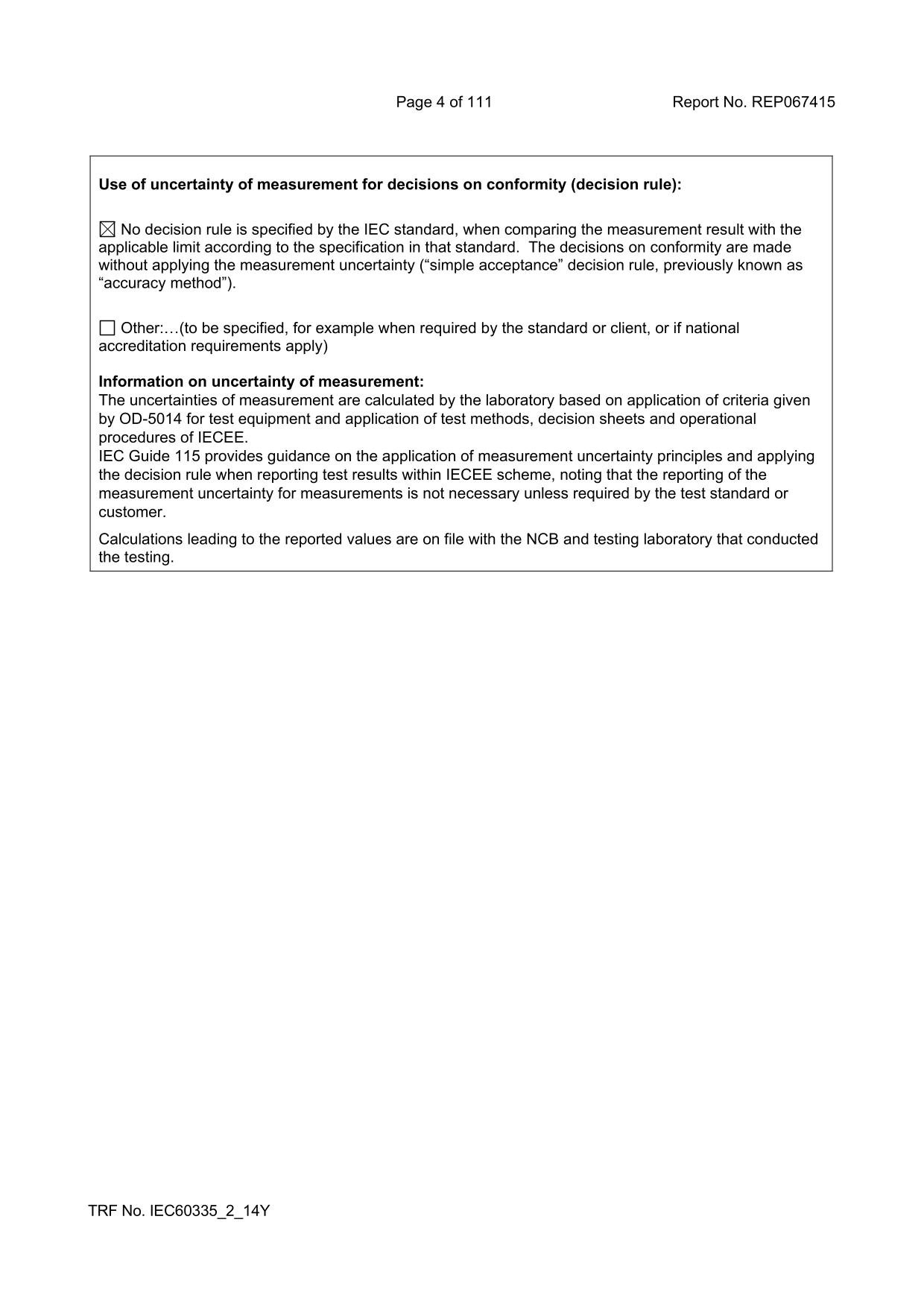
Standardized testing procedures mandate strict limits on measurement uncertainty, ensuring that temperature rise on internal windings and power leakage stay well within acceptable safety thresholds.
4. Rating Plate Compliance & Electrical Power Specifications
The rating plate is more than just a label—it is a legal declaration of conformity and a crucial tracking tool for quality management.
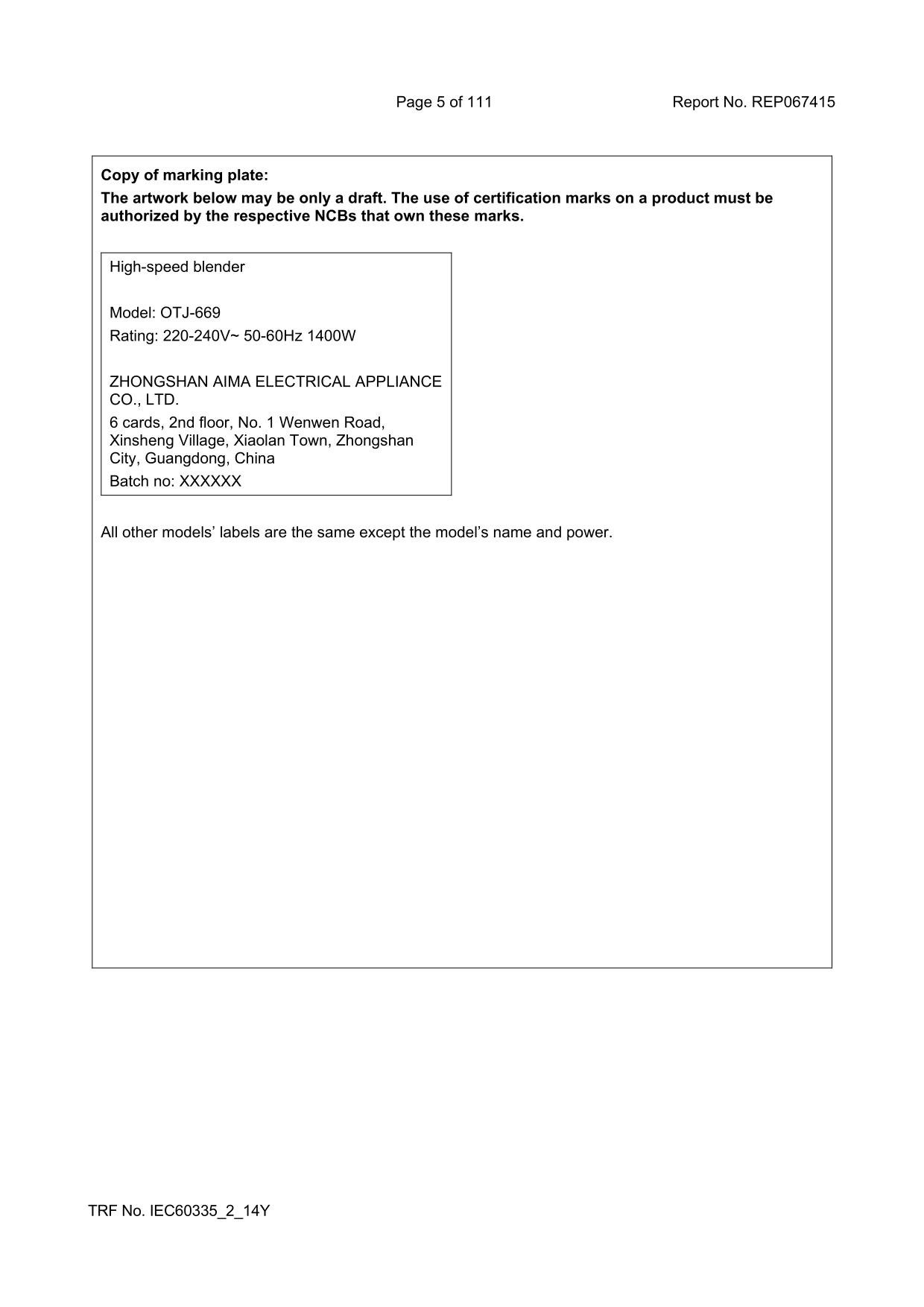
Essential rating plate elements for B2B sourcing include:
- Voltage and Frequency Rating: Clearly marked input ranges (e.g., 220-240V~ 50-60Hz) to prevent motor burnouts caused by voltage fluctuations.
- Nominal Power Input: Truthful wattage markings backed by actual laboratory test reports.
- Batch & Serial Traceability: Enables quick quality auditing and targeted spare parts replacement in commercial fleets.
5. Motor Assembly & Internal Layout: The Heart of Commercial Power
The electric motor is the core engine of any commercial blender. While consumer-grade units often use copper-clad aluminum (CCA) wiring to cut costs, heavy-duty commercial models demand 100% pure copper windings.
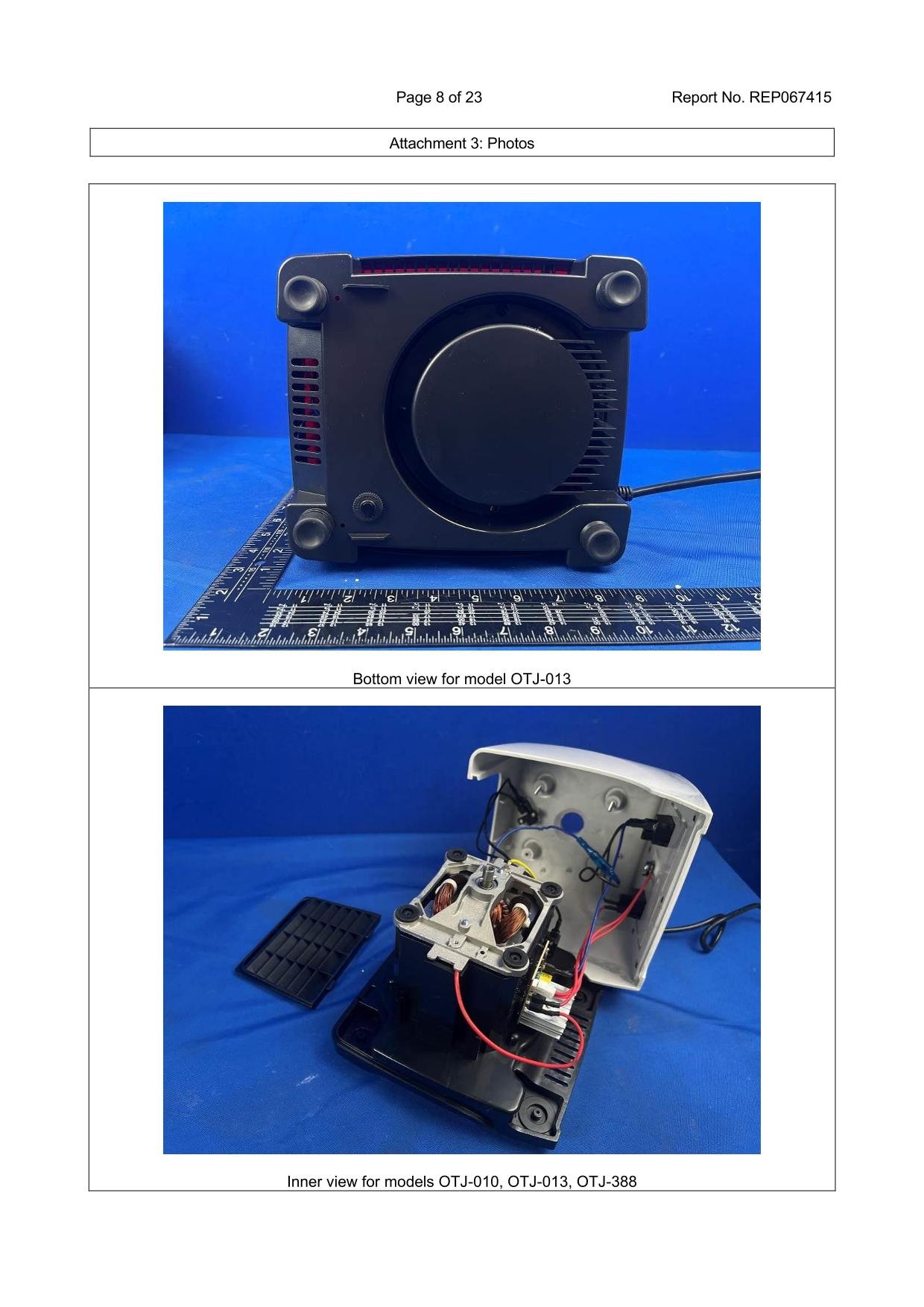
Key Motor & Internal Layout Features:
- Pure Copper Stator & Rotor Windings: Superior electrical conductivity and heat resistance compared to aluminum, allowing the motor to withstand sustained peak power without insulation breakdown.
- Thermal Overload Protection: An integrated thermal switch that automatically cuts power if the internal temperature exceeds safe operating thresholds.
- Internal Wiring & Heat-Shrink Tubing: Organized, flame-retardant wiring harnesses secured with heat-shrinkable insulation tubing prevent short circuits caused by vibration.
- Grounding Terminal Security: Robust chassis grounding protects operators against potential current leakage in wet commercial kitchen setups.
6. Drive Socket & Transmission Coupling Engineering
The drive socket (or mushroom head) transfers rotational kinetic energy directly from the motor shaft to the stainless steel blade assembly. This component experiences immense shear stress during high-speed startup.
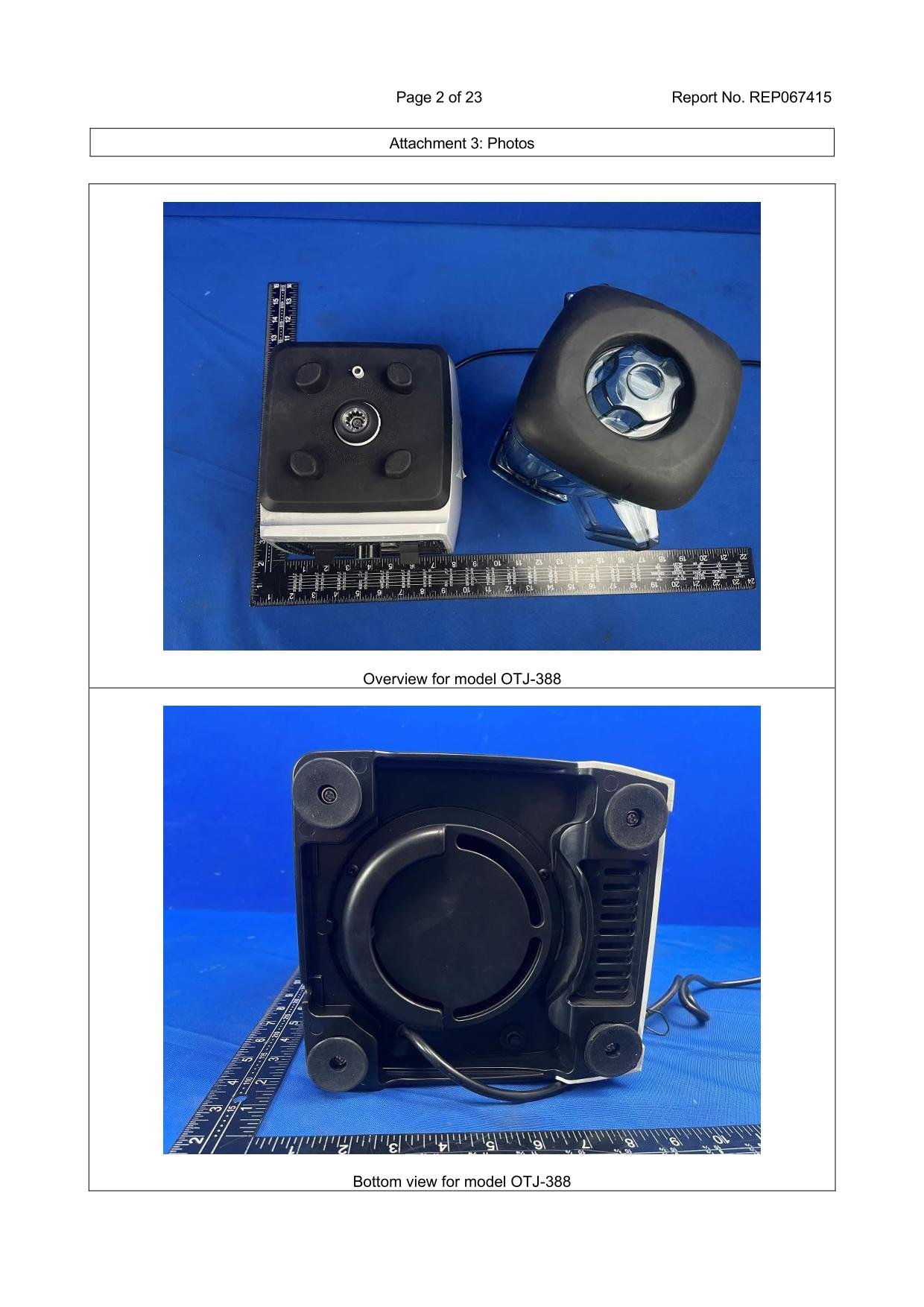
Metal Drive Sockets vs. Plastic Couplers:
- All-Metal Coupling: Heavy-duty blenders utilize precision-machined stainless steel or zinc-alloy drive teeth mated to a reinforced gear shaft. This eliminates gear stripping under heavy ice-crushing loads.
- Vibration Isolation: A surrounding rubber damping collar absorbs mechanical shock upon initial torque engagement, reducing strain on the motor bearings.
7. Exterior Build & Ergonomic Housing Options
A sturdy base housing protects delicate internal electronics while keeping vibration and operational noise to a minimum.
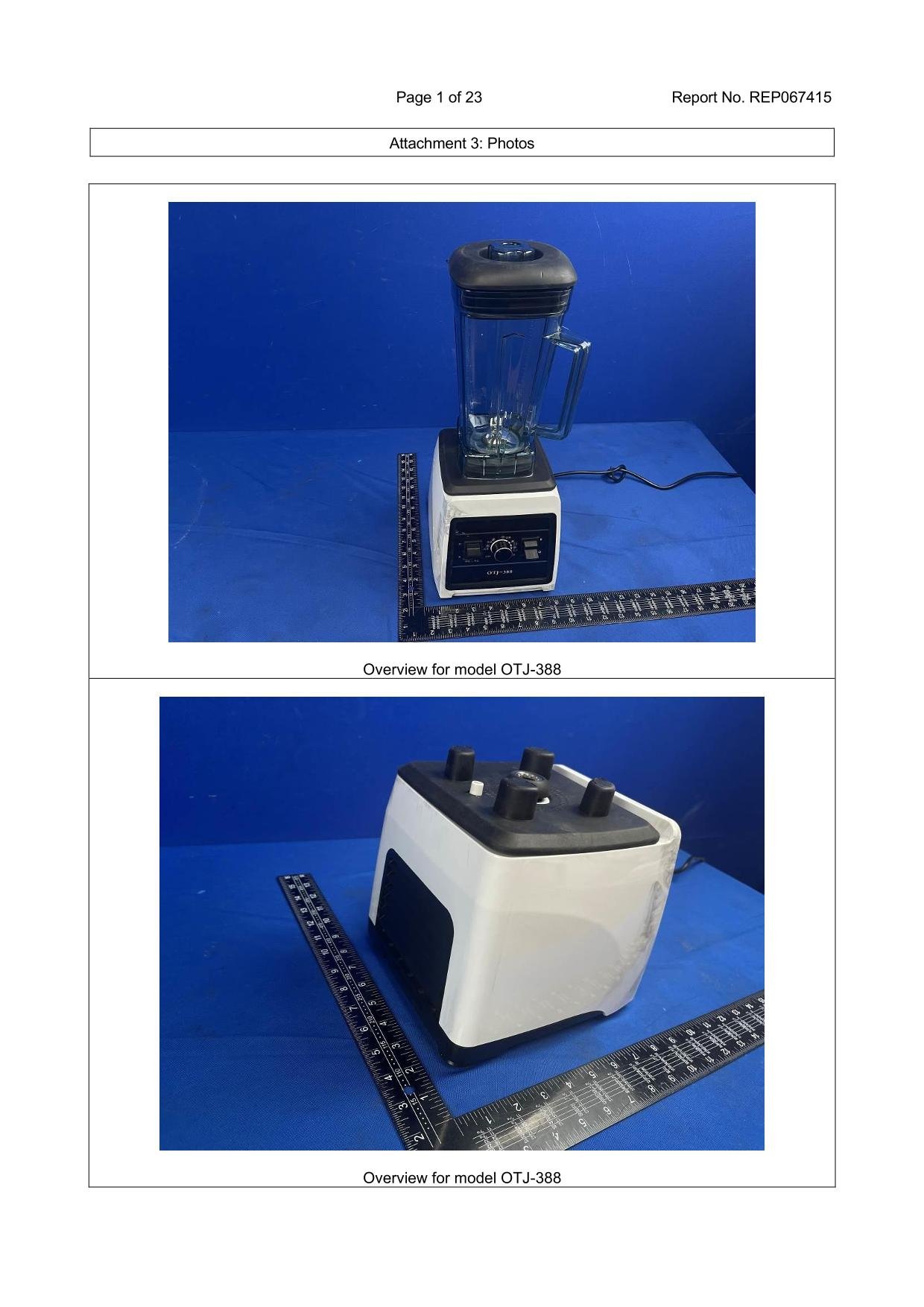
Structural Durability Benchmarks:
- High-Impact ABS / PC Housing: Resists mechanical impacts, chemical corrosion from citrus acids, and high-frequency vibrations.
- Non-Slip Rubber Feet: Deep suction feet anchor the unit securely to stainless steel prep tables, preventing “walking” during high-speed cycles.
- Optimal Airflow Vents: Bottom-mounted cooling louvers facilitate continuous air intake and exhaust, driving heat away from the motor coils.
8. Control Panel Interfaces: Mechanical Switches vs. Variable Speed Dials
Control interface selection directly impacts kitchen workflow speed and long-term switch durability in high-moisture environments.
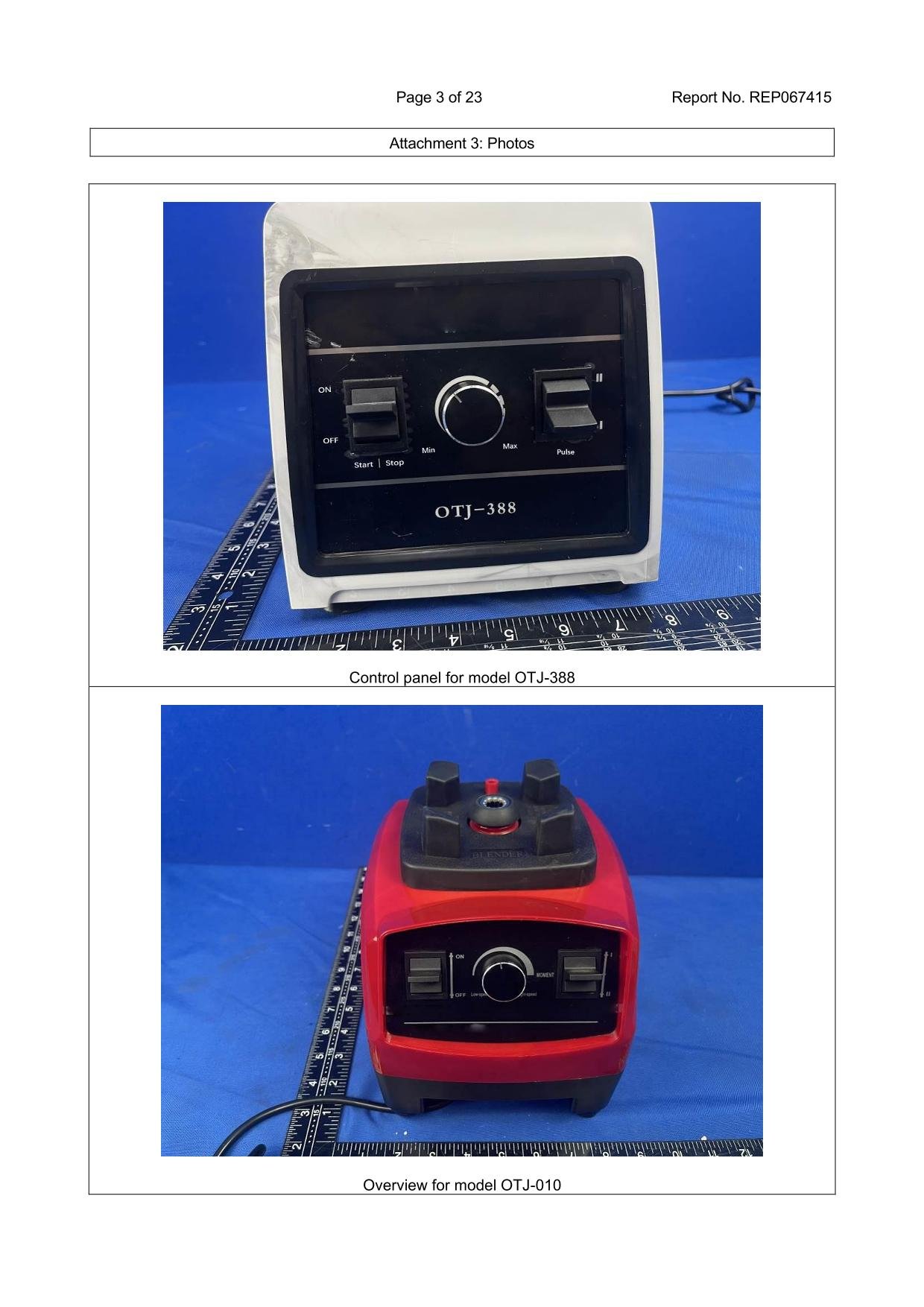
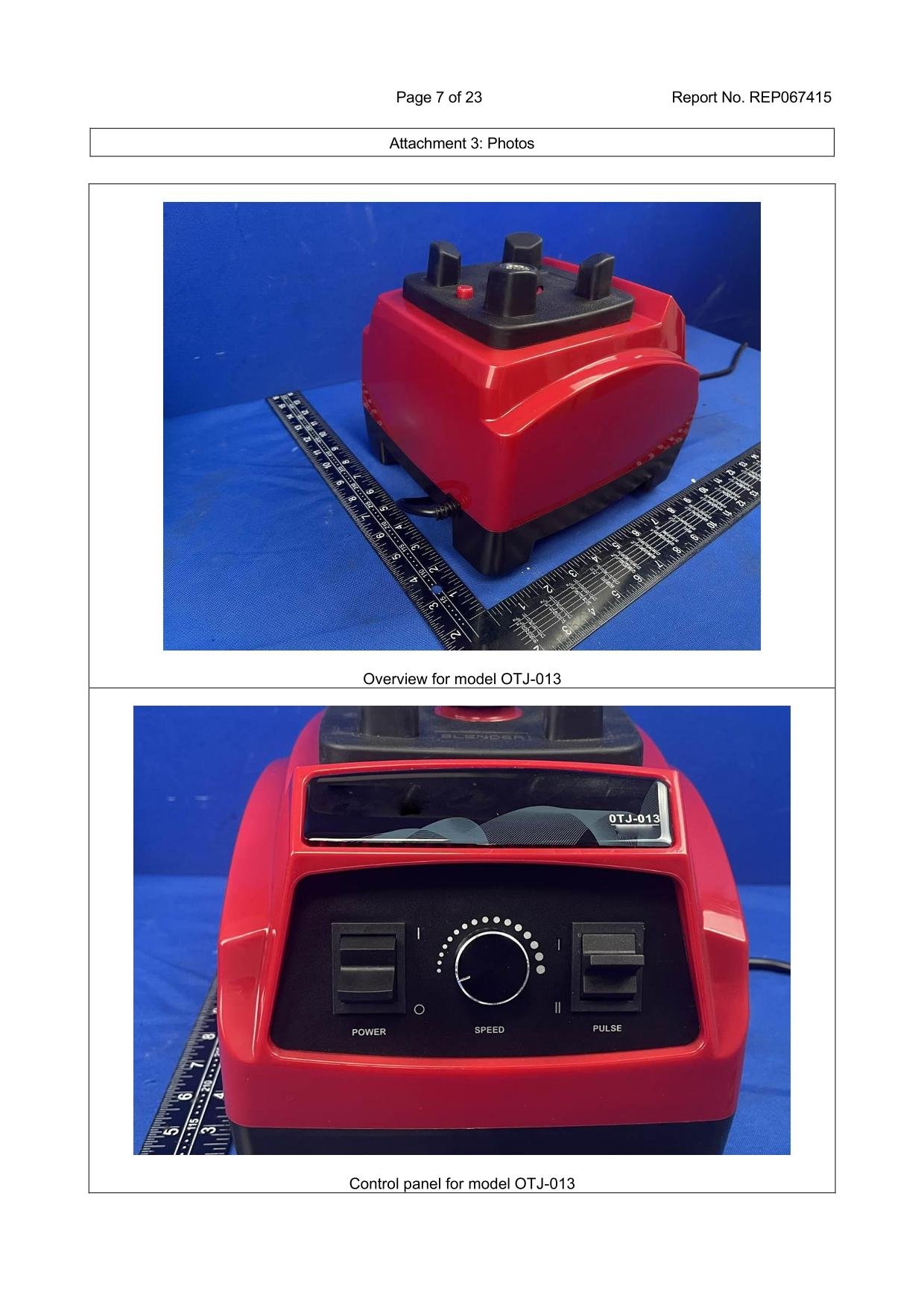
Mechanical Toggles vs. Digital Touch Surfaces:
- Industrial Toggle Switches: Preferred by commercial operators for their tactile feedback and high mechanical cycle life. Sealed rubber boots protect internal electrical contacts from liquid ingress.
- Variable Speed Potentiometers: Allow chefs to precisely dial in texture consistency, ranging from coarse chopping to micro-emulsification.
- Instant Pulse Function: High-current pulse switches enable immediate full-power bursts for rapid ingredient blending.
9. Commercial Procurement Checklist: Key Criteria Before Placing B2B Orders
To ensure consistent product quality and minimize post-sale warranty claims, procurement teams should evaluate potential OEM/ODM manufacturing partners against this checklist:
- Verify complete certification by requesting valid IEC 60335-1 and IEC 60335-2-14 CB test reports issued by accredited NCB testing bodies.
- Inspect motor windings to confirm 100% pure copper motor construction rather than copper-clad aluminum (CCA).
- Evaluate metal drive couplings to ensure all load-bearing gear teeth feature stainless steel or alloy reinforcement.
- Audit safety cut-off devices by testing integrated micro-switches and manual reset circuit breakers to guarantee automatic power shut-off under improper jar seating or overload conditions.
- Check spare part availability to confirm quick-replacement components (drive sockets, jar pads, carbon brushes, and blade assemblies) are ready to support long-term maintenance.