Table of Contents
1. Why Commercial Blender Quality Matters 2. Key Features to Compare 3. Model Comparison 4. Jar and Blade Engineering 5. Electrical Safety and Compliance 6. Why Source from a Factory? 7. OEM and ODM Options 8. Quality Control and Logistics 9. FAQWhy Commercial High-Speed Blender Quality Matters
Commercial blenders often operate in cafés, juice bars, restaurants, hotels and central kitchens. Therefore, the machine must deliver repeatable blending results during busy service periods. Inconsistent rotation, weak torque or an unsuitable jar can reduce productivity and increase customer complaints.
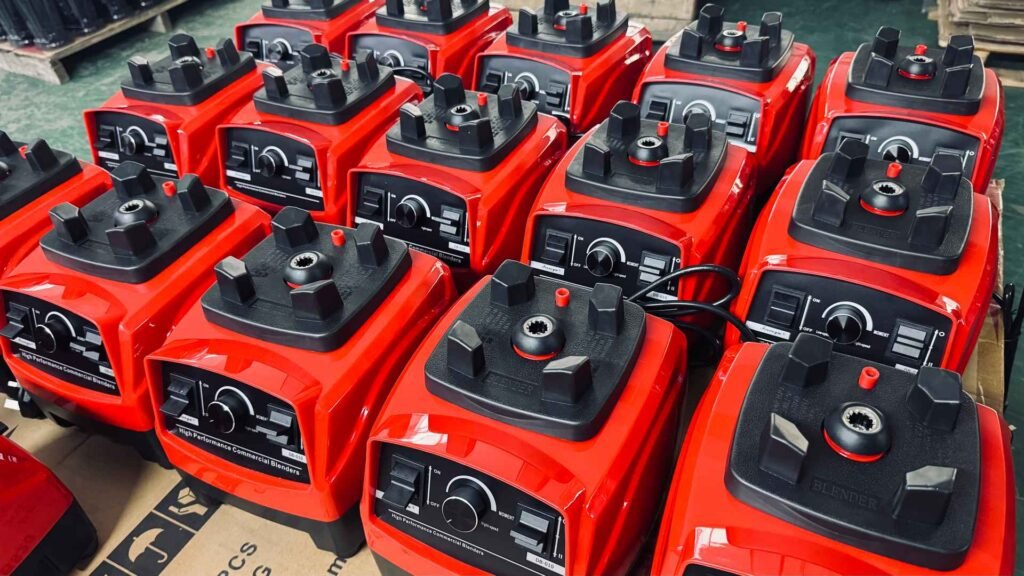
A professional commercial high-speed blender should balance motor output, blade geometry, speed control, noise management and cleaning convenience. For example, AIMA’s commercial blender range includes 2,200W motors and speeds up to 24,000 RPM. These specifications provide a clear starting point for buyers comparing industrial blending performance.
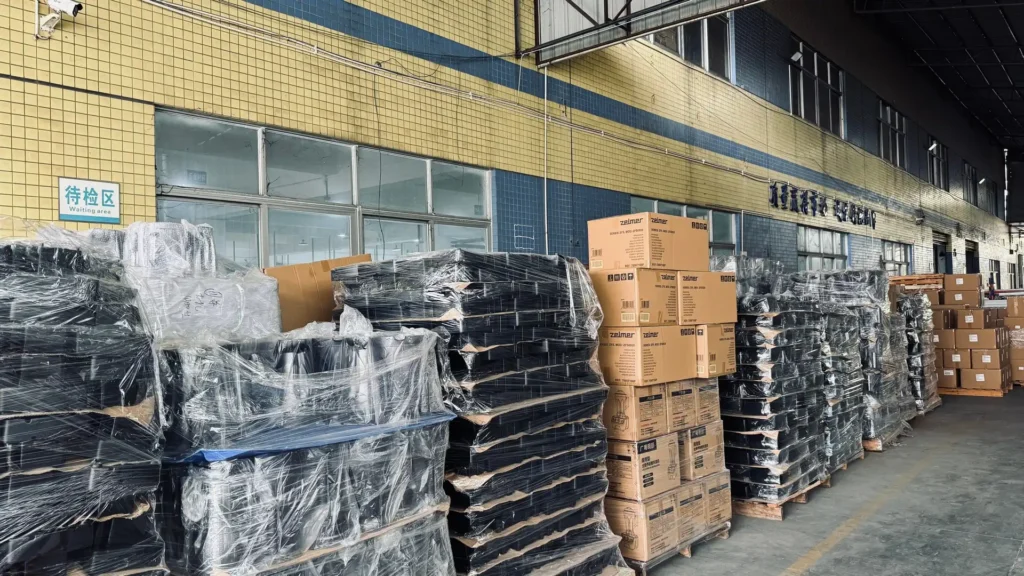
AIMA Electrical has more than 15 years of focused kitchen appliance manufacturing experience. The company operates a 3,000-square-meter factory in Zhongshan, Guangdong, with ISO 9001 quality management and 5S production practices. As a result, buyers can evaluate both the finished blender and the manufacturing system behind it.
Which Features Should Buyers Compare?
Wattage alone does not define commercial blending performance. Instead, procurement teams should compare the motor, RPM, blade assembly, jar material, controls, noise management and service requirements as one complete system.
Motor power and speed
A 2,200W motor can support high-power commercial applications, but the actual result also depends on load, recipe, blade design and operating time. Similarly, 24,000 RPM indicates high rotational speed, but buyers should request test samples using the ingredients their customers will process.
Control system
Programmable touch controls can help operators repeat recipes and simplify training. A variable-speed knob gives users more manual control, while pulse control can help start difficult loads or improve ingredient movement. Consequently, the correct control system depends on whether the target customer values automation, flexibility or simple operation.
Soundproof configuration
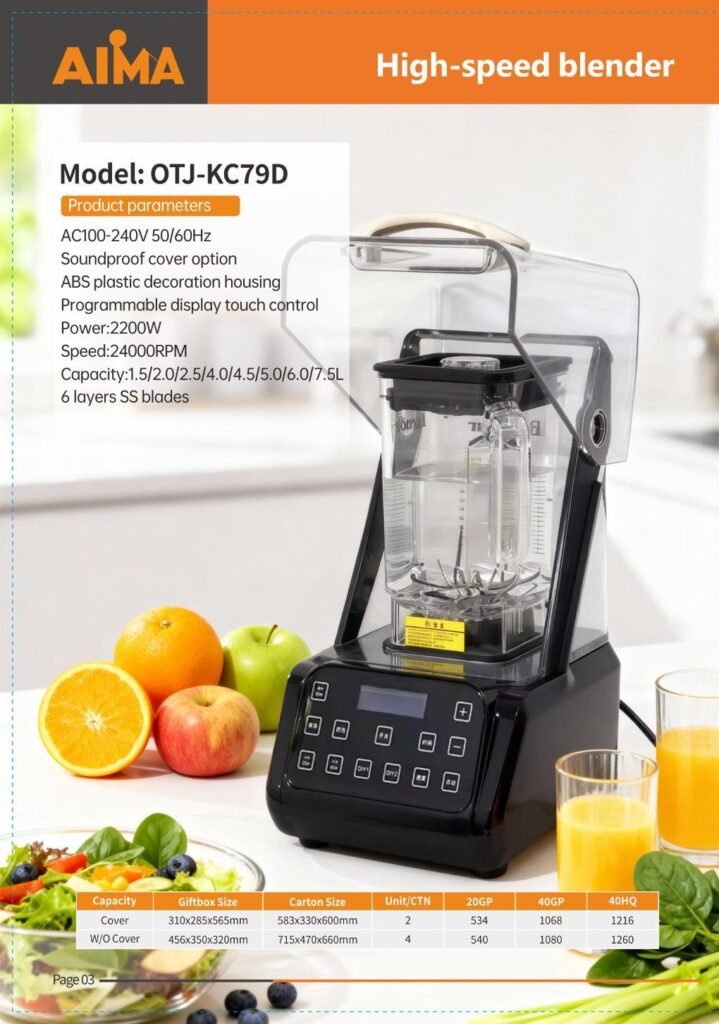
A soundproof cover can be valuable in cafés, hotel breakfast areas and open kitchens. The OTJ-KC78D includes a soundproof cover, touch screen and six-layer stainless steel blade configuration. Meanwhile, the OTJ-KC79D offers a soundproof cover as an option. Buyers should compare noise expectations, counter space and cleaning access before selecting a covered design.
Which Commercial Blender Model Fits Your Market?
A distributor can build a stronger product range by offering models with different controls and noise-management options. The following comparison uses the available AIMA product information.
| Model | Power | Speed | Controls | Configuration |
|---|---|---|---|---|
| OTJ-KC78D | 2,200W | 24,000 RPM | Touch screen | Soundproof cover, six-layer stainless steel blades |
| OTJ-KC79D | 2,200W | 24,000 RPM | Touch screen | Optional soundproof cover, six-layer stainless steel blades |
| OTJ-669 | 2,200W | 24,000 RPM | Variable-speed knob | Pulse control |
| OTJ-632 | 2,200W | 24,000 RPM | Variable-speed knob | Optional timer |
If the customer operates in an open café, the OTJ-KC78D or OTJ-KC79D may be more suitable because of the soundproofing option. If the operator prefers direct manual adjustment, the OTJ-669 provides variable speed and pulse control. Alternatively, the OTJ-632 may suit buyers who want a variable-speed system with an optional timer.
Before ordering, ask the supplier to confirm the exact electrical configuration, plug type, jar capacity, noise-cover specification and included accessories. In addition, request a sample demonstration using the customer’s intended recipes.
How Do Jar Material and Blade Design Affect Performance?
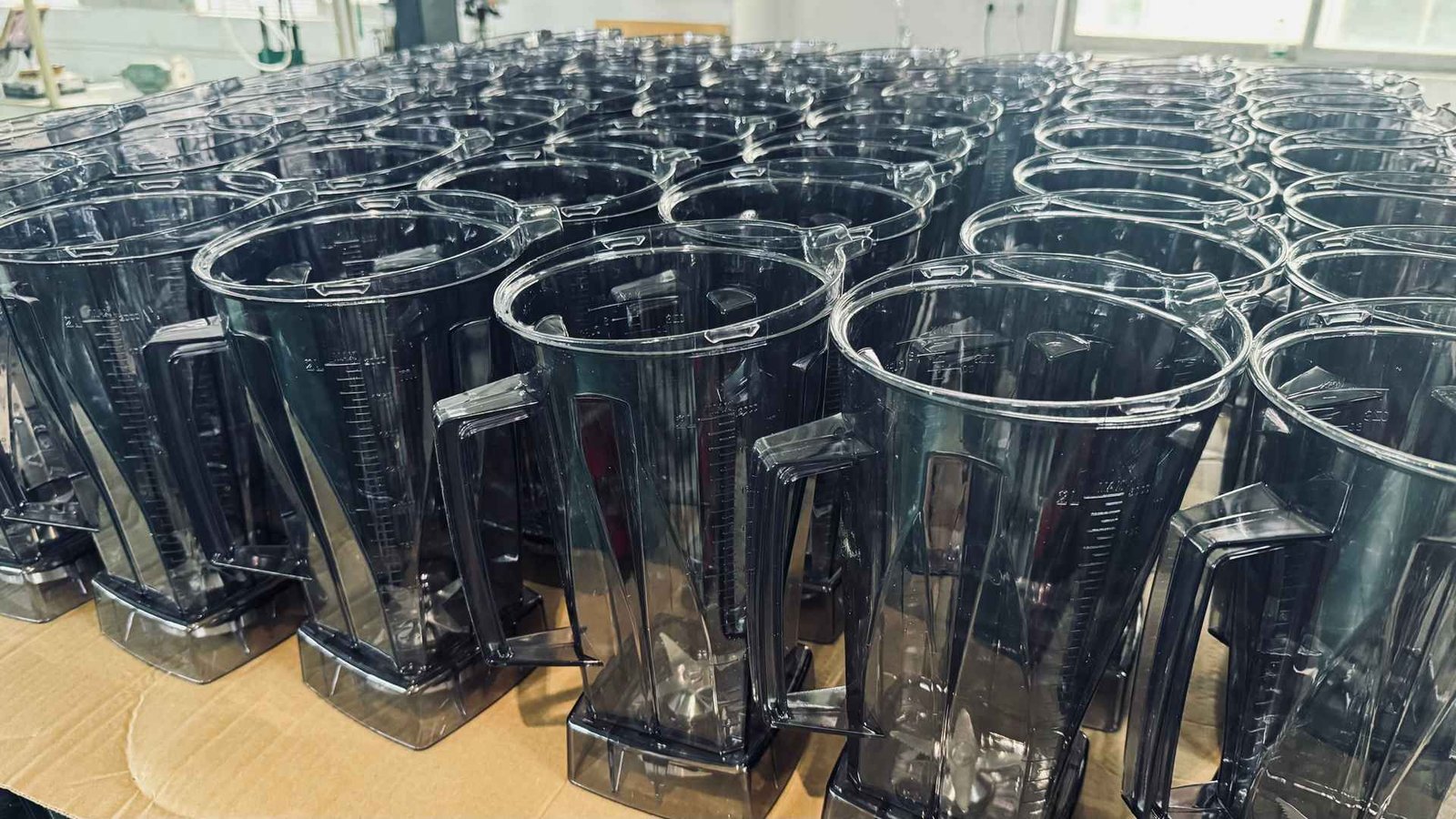
The jar is directly exposed to ingredients, vibration and repeated cleaning. Therefore, its material, shape, lid design and connection to the base deserve the same attention as the motor. A well-matched jar can improve ingredient movement and reduce unnecessary operating time.
Jar capacity options
AIMA’s commercial blender series supports capacity options from approximately 1.5L to 7.5L. Smaller jars can suit individual drinks and compact counters, while larger capacities may support batch preparation. However, buyers should confirm usable capacity rather than relying only on the nominal volume.
PC jar considerations
Polycarbonate jars are commonly considered for commercial applications because they can provide a balance between visibility, impact resistance and product weight. Buyers should request the material specification, temperature guidance, cleaning instructions and any applicable food-contact documentation for the target market.
Stainless steel blade assembly
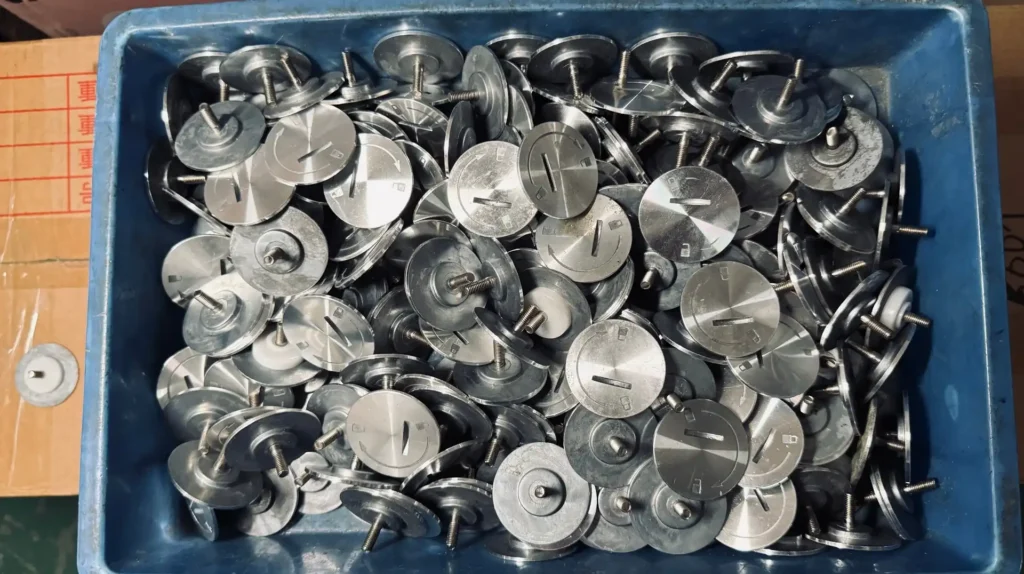
The listed AIMA models use six-layer stainless steel blades. A multi-layer blade assembly can support ingredient circulation and cutting action at high speed. Nevertheless, the actual result depends on blade geometry, jar shape, motor torque and recipe load. For this reason, product testing remains essential before approval.
Ask the manufacturer to explain blade removal, replacement and cleaning procedures. Clear maintenance instructions can reduce downtime and improve after-sales support for distributors.
What Electrical Safety Documents Should Buyers Request?
Commercial blender orders may be shipped to several markets with different voltage, frequency and certification expectations. A product tested for one configuration may require additional review when the motor, plug or electrical components change. Consequently, buyers should confirm compliance at the beginning of the project.
| Document or Standard | Procurement Purpose | Recommended Verification |
|---|---|---|
| CE documentation | Supports applicable European market requirements. | Confirm the exact model, voltage and test scope. |
| IECEE CB Scheme | Supports international electrical safety recognition. | Request the certificate and related test report. |
| RoHS documentation | Addresses restricted substances in electrical products. | Verify component and material declarations. |
| IEC 60335-1 | Provides a reference for electrical appliance safety. | Ask which applicable product standard was used. |
| UL readiness | May support future North American certification work. | Confirm design and component preparation for review. |
AIMA lists CE, CB, RoHS and UL-ready capability in its factory information. Buyers should still confirm the certificate scope, testing laboratory and electrical version for each purchase order. In addition, request the user manual, product label, wiring information, packaging marks and inspection records.
Why Source a Commercial Blender from a Professional Factory?
Factory-direct sourcing gives buyers a direct communication channel with engineering, production, quality and logistics teams. Therefore, specification changes can be discussed with the people responsible for implementation. This structure can be valuable when the project includes private labeling or a new market configuration.
Manufacturing experience
AIMA has more than 15 years of focused kitchen appliance manufacturing experience. Its factory is located at No. 1 Wenxian Road, Dongsheng Area, Xiaolan Town, Zhongshan City, Guangdong, China. The company manufactures commercial blenders, food slicers, induction cooktops, hand mixers and egg beaters.
Quality and production management
The factory uses ISO 9001 quality management and 5S practices. Buyers can also ask about IQC incoming inspection, assembly inspection, electrical testing, leakage-current testing, vibration testing and final inspection. As a result, the supplier review covers both product performance and process control.
Brand structure
AIMA is the industrial manufacturing brand, while OTOJIA is used for international trademark, export and distribution activities. Both brands connect buyers with the same factory production source. This arrangement can help importers discuss product customization and wholesale planning directly.
What OEM and ODM Options Are Available?
Commercial blender buyers often need more than a standard catalog product. For example, a distributor may require a private label, customized carton, different plug, selected jar capacity or a specific control layout. These requirements should be listed before quotation so the factory can evaluate tooling, testing and production implications.
- Branding: Logo, nameplate, control-panel graphics and product markings.
- Packaging: Retail box, master carton, barcode, manual and warning labels.
- Electrical configuration: 100–240V, 50/60Hz and market-specific plugs.
- Jar configuration: Capacity, color, lid design and selected materials.
- Controls: Touch screen, variable-speed knob, pulse function or timer.
- Noise management: Standard configuration or optional soundproof cover.
A written technical specification should accompany the approved sample. It should include motor power, maximum RPM, blade configuration, jar capacity, voltage, packaging dimensions and inspection requirements. Furthermore, the buyer should approve artwork and labeling before mass production begins.
For distributors, a tiered product family can improve sales coverage. A soundproof touch-screen model may target cafés and hotels, while a variable-speed model may serve restaurants and food-service operators. Consequently, one factory relationship can support several customer segments.
How Should Buyers Evaluate Quality Control and Logistics?
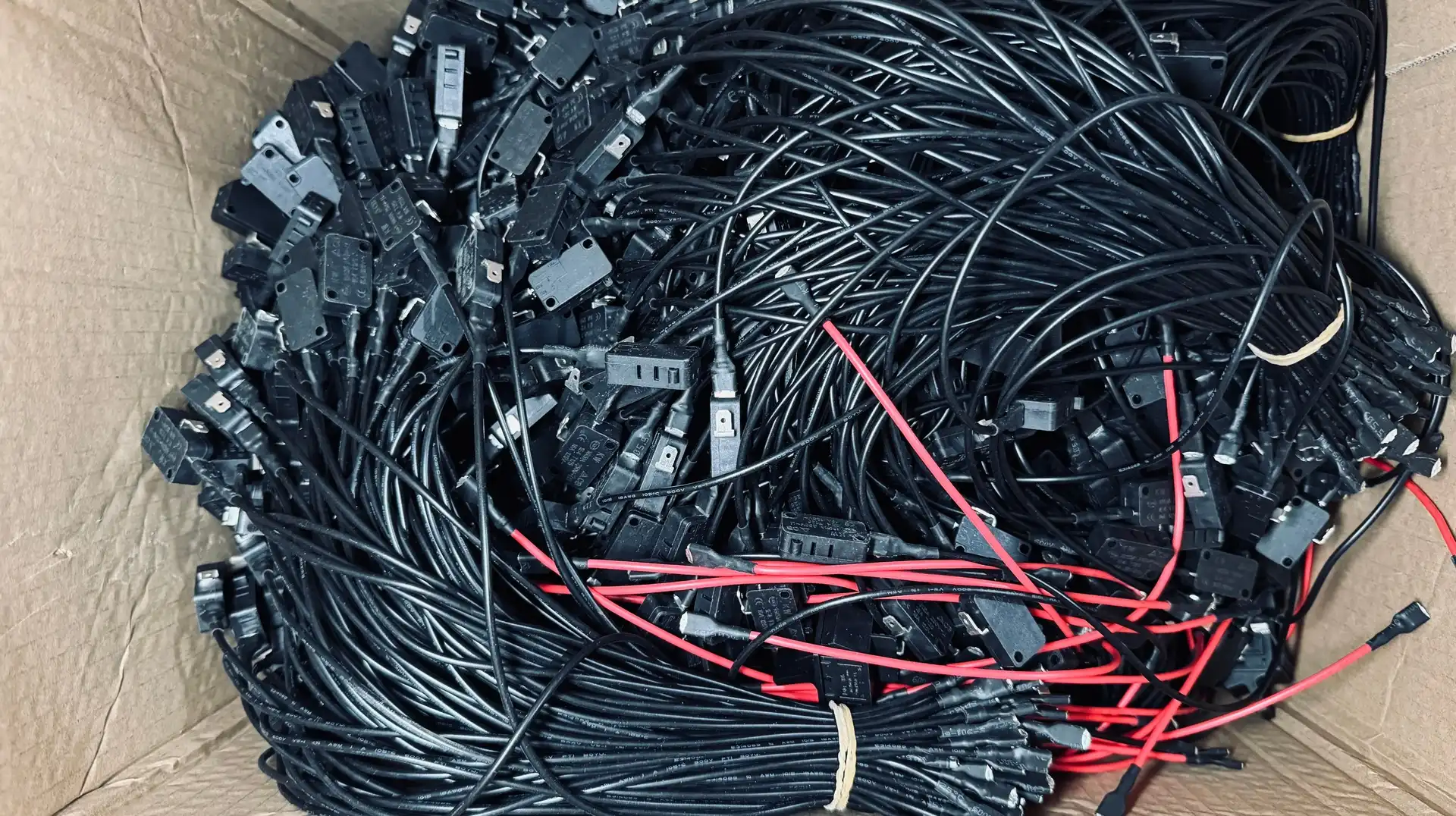
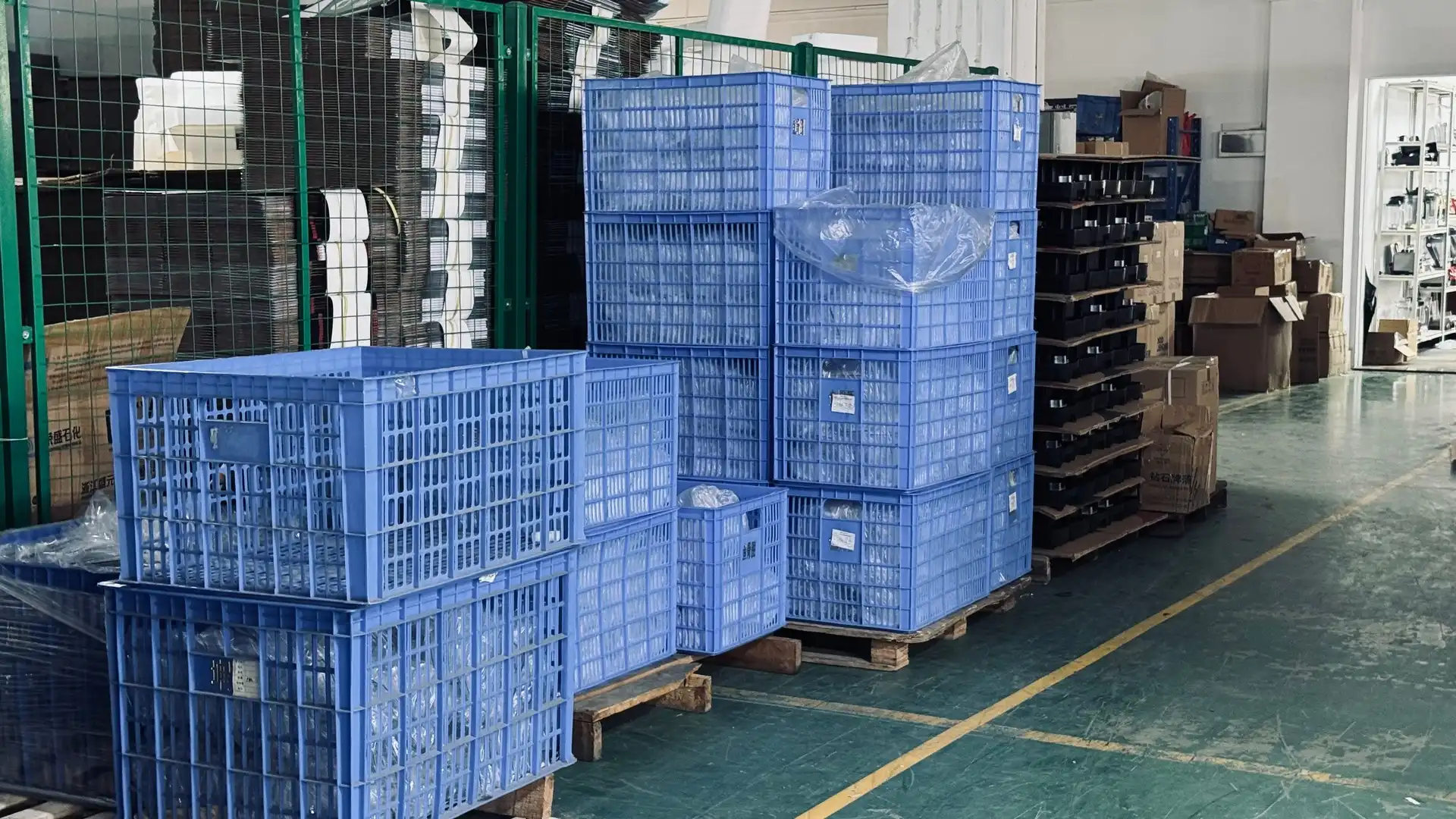
Quality control should continue from incoming components to final packing. Incoming inspection can verify motors, wires, switches, jars, blades and housing parts. During assembly, production teams can check electrical connections, controls, blade rotation and external appearance.
Laboratory testing adds another layer of risk control. The factory information lists RoHS testing, drop testing, vibration testing, glow-wire testing, ball-pressure testing and leakage-current testing. Buyers should ask which tests apply to the selected blender and how the results are recorded.
Container planning
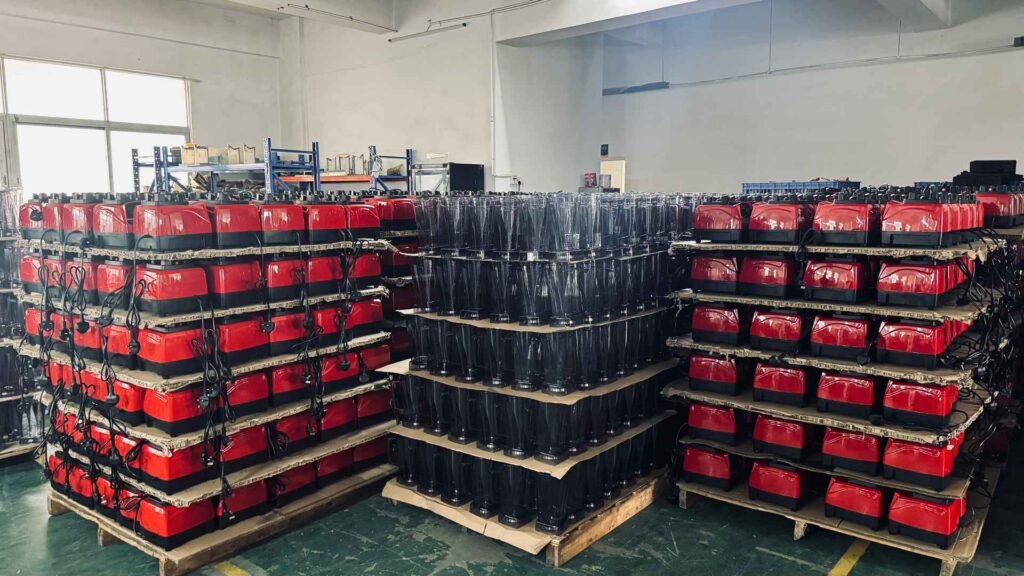
AIMA’s commercial blender information lists approximately 1,380 units per 40HQ for the general series. The final quantity depends on jar capacity, packaging dimensions, pallet use and loading method. Therefore, every quotation should include carton size, units per carton, gross weight, net weight and confirmed loading quantity.
Pre-shipment checklist
- Confirm the approved model, voltage, frequency and plug.
- Check the jar, lid, blade assembly and control panel against the sample.
- Review product labels, manuals, certificates and packaging artwork.
- Confirm carton dimensions, loading quantity and shipping terms.
- Arrange final inspection or sample approval before shipment.
In summary, a successful commercial blender purchase combines engineering review, compliance confirmation, sample testing and logistics planning. Buyers who compare these factors together can make a more reliable decision for wholesale distribution.
Commercial High-Speed Blender FAQ
What power does the AIMA commercial blender use?
The listed AIMA commercial blender models use a 2,200W motor. Buyers should confirm the exact electrical configuration and intended application before placing an order.
What is the maximum speed of the commercial blender?
The listed models reach up to 24,000 RPM. Actual blending results also depend on the recipe, jar capacity, blade design, motor load and operating conditions.
What jar capacities are available?
The product series supports capacity options from approximately 1.5L to 7.5L. The suitable capacity depends on batch size, counter space and customer application.
Which AIMA model includes a soundproof cover?
The OTJ-KC78D includes a soundproof cover. The OTJ-KC79D can also be configured with a soundproof cover. Buyers should confirm the final configuration on the quotation.
Can AIMA provide OEM and ODM commercial blenders?
Yes. AIMA supports OEM and ODM requirements involving branding, packaging, voltage, plug type, jar options, controls and selected appearance details.
What should buyers request before mass production?
Buyers should request a technical specification, approved sample, certificate scope, test documentation, packaging artwork, user manual, inspection standard and confirmed loading data before production approval.
Request a Commercial Blender Quotation
Tell us your target market, required voltage, jar capacity, control type, branding requirements and estimated order quantity. AIMA can help you select a suitable commercial high-speed blender for wholesale or OEM distribution.
Email: sales1@zs-aima.com
Phone: 0760-22558182
Ricardo — Marketing & Supply Chain Manager