Sourcing commercial kitchen equipment from overseas requires looking beyond catalog specifications and unit pricing. For B2B importers, foodservice equipment distributors, and OEM/ODM brand owners, long-term product reliability depends on what happens inside the factory: how core components are verified, how motors and housings are built to withstand continuous duty cycles, and how electrical safety is tested before every container ships.
This guide walks through the key manufacturing and quality control checkpoints buyers should evaluate when auditing a supplier—illustrated with real production stages from our facility in Zhongshan, Guangdong.
Inside Our 3,000 m² Manufacturing Facility in Xiaolan, Zhongshan
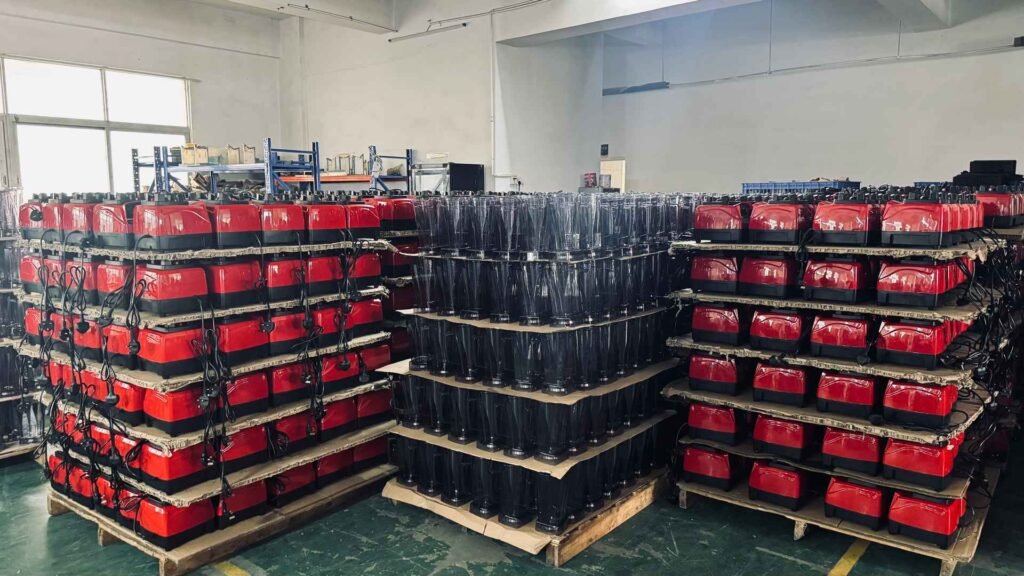
Located in Xiaolan, Zhongshan—one of China’s established appliance and hardware manufacturing hubs—our 3,000 m² production facility is structured for commercial blenders and gear-driven food slicers. Proximity to mature regional supply chains for copper windings, precision hardware, and high-grade polymers allows tight coordination across raw material sourcing and final assembly.
Daily operations follow ISO 9001 quality management principles alongside 5S workplace organization standards. Clear zoning separates incoming material staging, sub-assembly preparation, main assembly lines, and aging/safety testing areas to prevent cross-contamination and assembly errors across concurrent OEM orders.
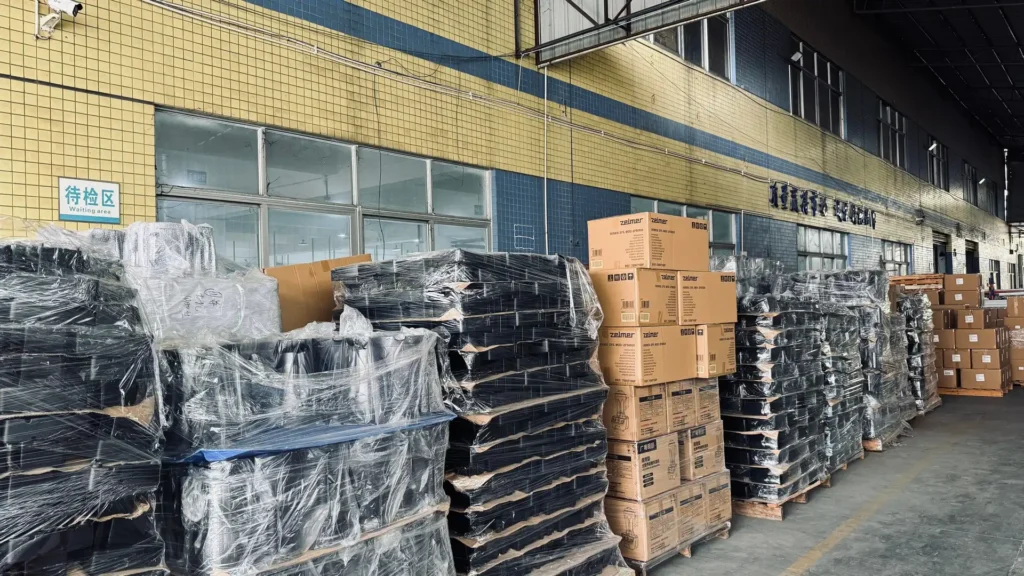
Incoming Quality Control (IQC): Verifying Core Components Before Production
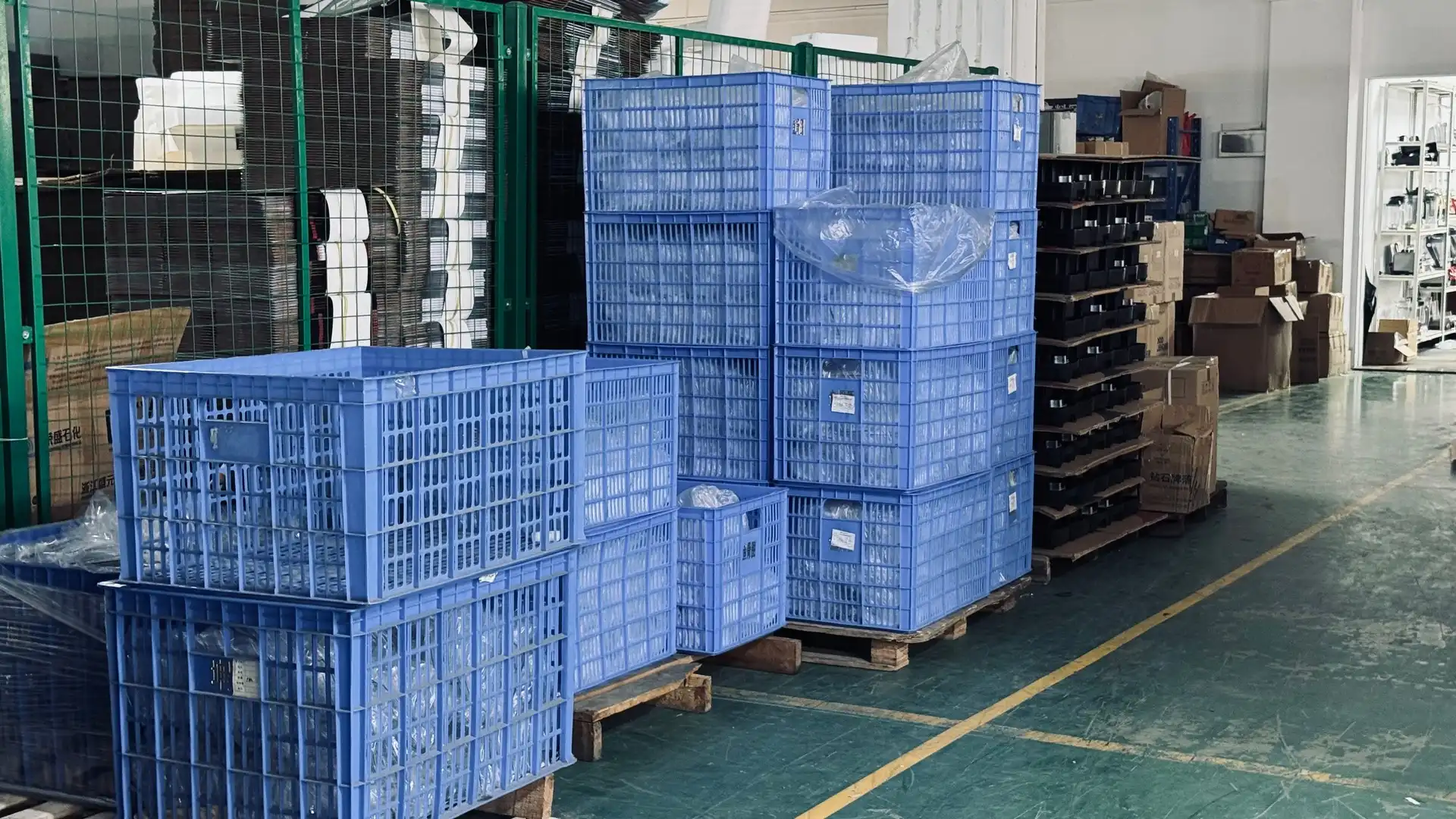
Consistent finished products start before assembly begins. Our Incoming Quality Control (IQC) team inspects critical sub-assemblies, electrical components, and structural parts upon arrival at the warehouse before releasing materials to the production floor.
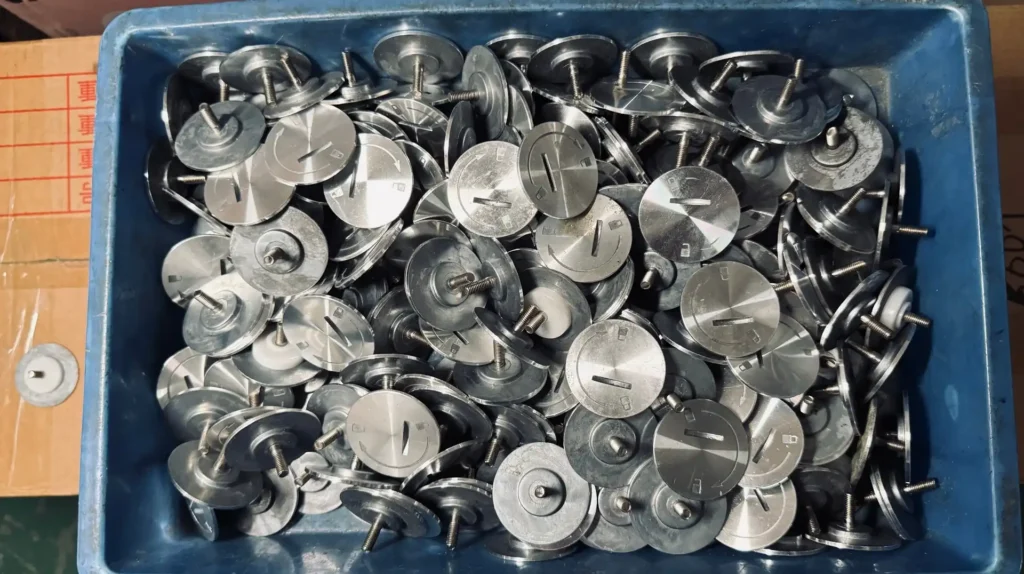
- Dimensional & Structural Verification: Checking tolerances on motor shafts, gearboxes, blades, and molded chassis parts to ensure smooth mechanical fitment.
- Electrical Component Sampling: Verifying rated voltage, capacitance, PCB solder integrity, and switch durability against engineering BOM specifications.
- Batch Traceability: Logging supplier lot numbers so any component variance can be isolated immediately without affecting scheduled production runs.
Pure Copper Motor Evaluation: Winding Standards and Thermal Endurance
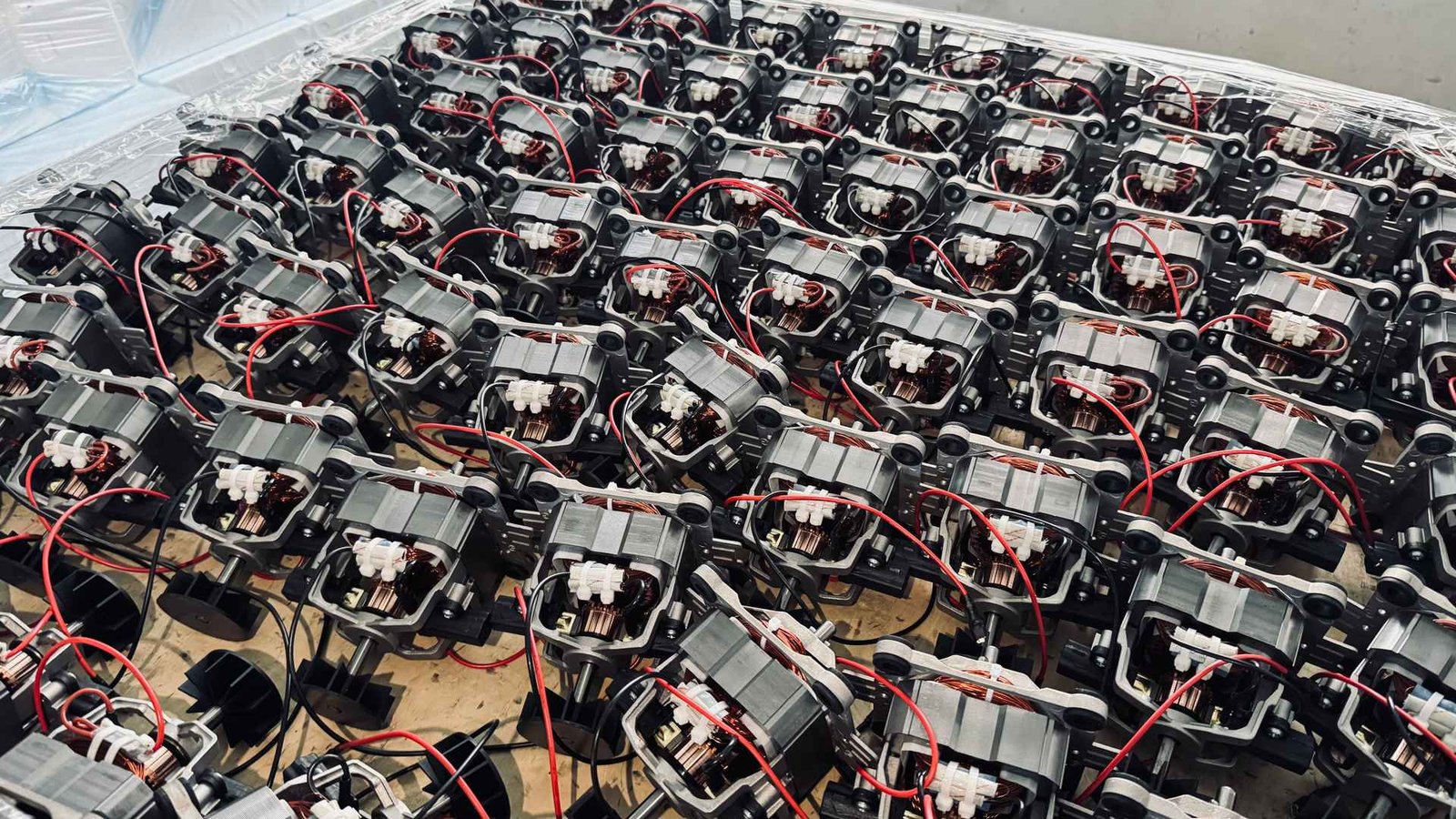
In high-demand commercial appliances—such as 2200W heavy-duty commercial blenders and continuous-use meat slicers—the motor is the primary determinant of service life. Lower-cost copper-clad aluminum (CCA) windings often suffer from higher electrical resistance, rapid heat buildup, and premature insulation breakdown under commercial kitchen workloads.
When evaluating motor quality, B2B buyers should verify pure copper stator and rotor windings, high-temperature enamel insulation ratings, and integrated thermal overload protection. Properly balanced armatures and precision bearings reduce operational vibration and audible noise while extending brush and motor longevity.
Housing Materials & Structural Integrity: ABS Injection Molding vs. Cast Metal
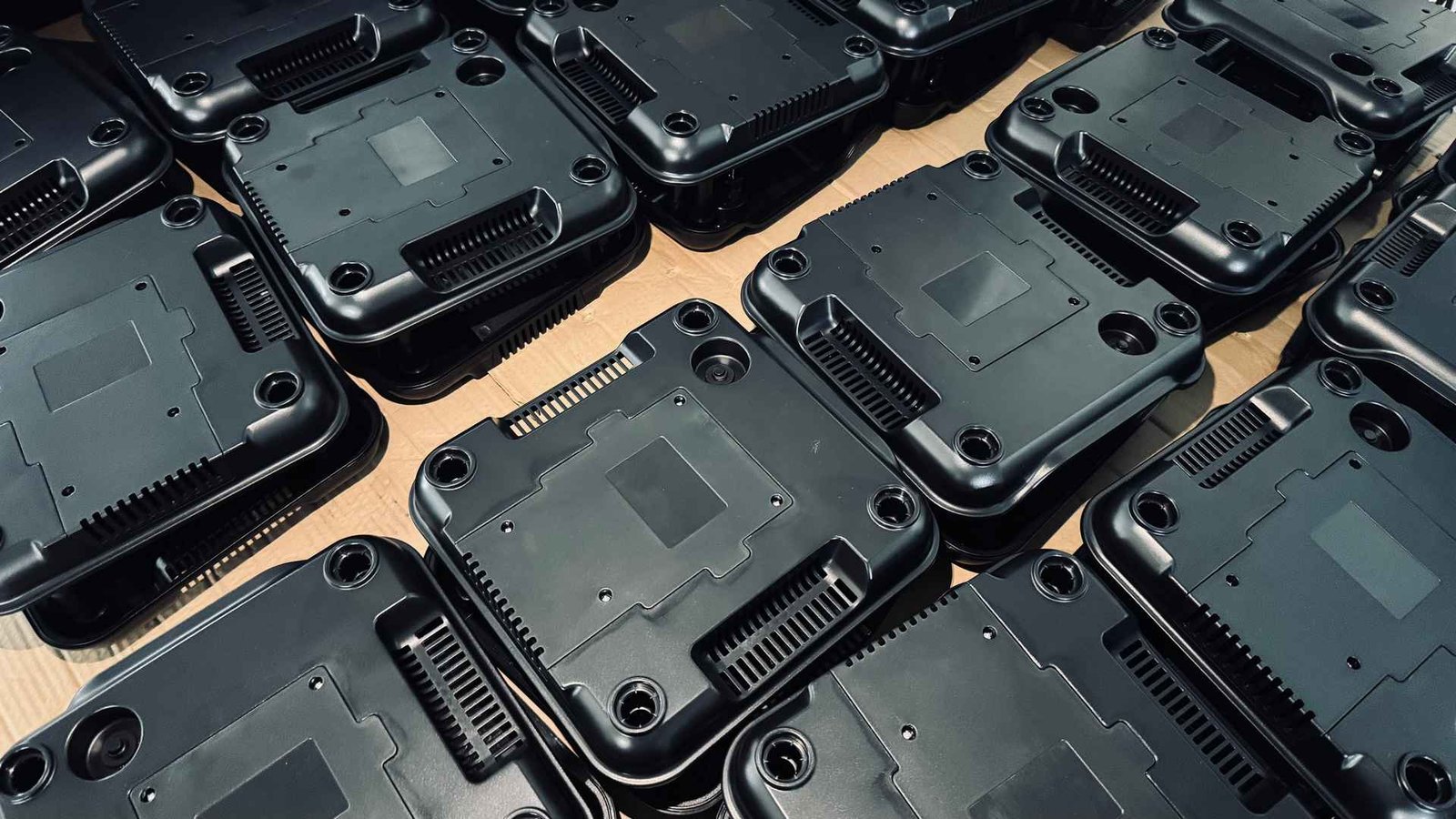
Different commercial kitchen equipment categories demand distinct structural housing materials to balance impact resistance, sanitation, weight stability, and thermal dissipation.
| Housing Material | Primary Equipment Application | Key Engineering Advantages | Critical QC Checkpoints |
|---|---|---|---|
| High-Strength ABS Injection Molding | Commercial Blenders (e.g., 2200W Soundproof & Countertop Models) | High impact resistance, electrical insulation, corrosion-free exterior, easy wipe-down sanitation | Wall thickness uniformity, sink mark control, acoustic enclosure seal fitment |
| Cast Aluminum Alloy | Lightweight Commercial Food Slicers (e.g., MS-2201) | Rust resistance, lower shipping weight, clean anodized or painted surface finish | Casting porosity inspection, precision CNC machining of carriage tracks |
| Heavy-Duty Cast Iron | Heavy-Duty Gear-Driven Food Slicers (e.g., MS-2202, MS-1909) | Superior mass and vibration dampening during dense meat or cheese slicing | Surface coating adhesion, base flatness, gear housing alignment |
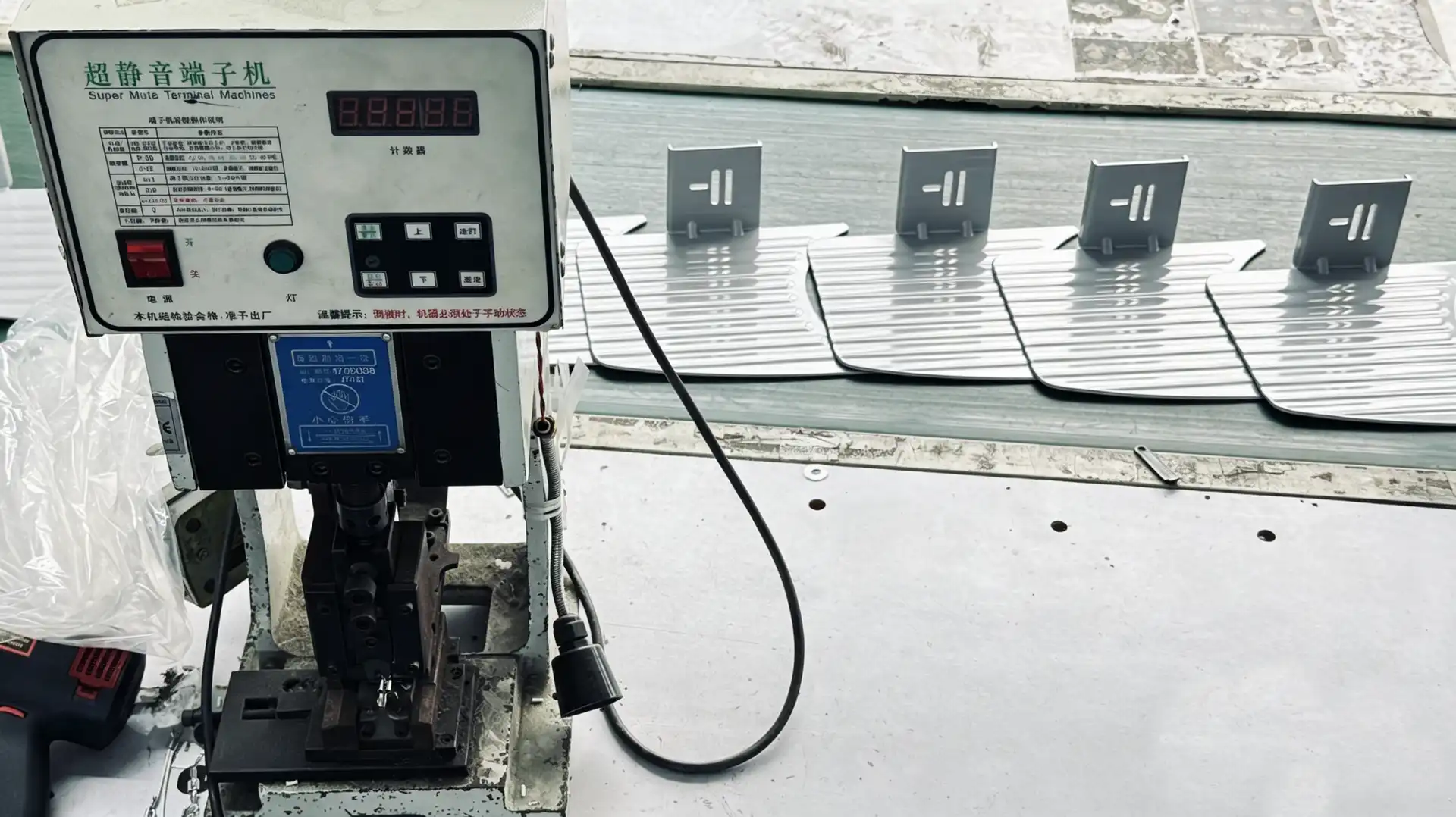
Precision Wire Harness Processing with Automated Terminal Crimping
Internal wiring failures are one of the most common causes of field returns in high-wattage kitchen appliances. Manual wire twisting or inconsistent hand-crimping can create high-resistance joints that overheat when carrying 10A to 16A loads.
To eliminate human variability in electrical connections, our wire harness preparation utilizes automated super-mute terminal crimping equipment. Standardized applicator dies ensure uniform crimp height, secure conductor retention, and clean insulation support across every internal power lead, switch connection, and grounding wire.
Standardized Assembly Lines and In-Process Quality Control (IPQC)
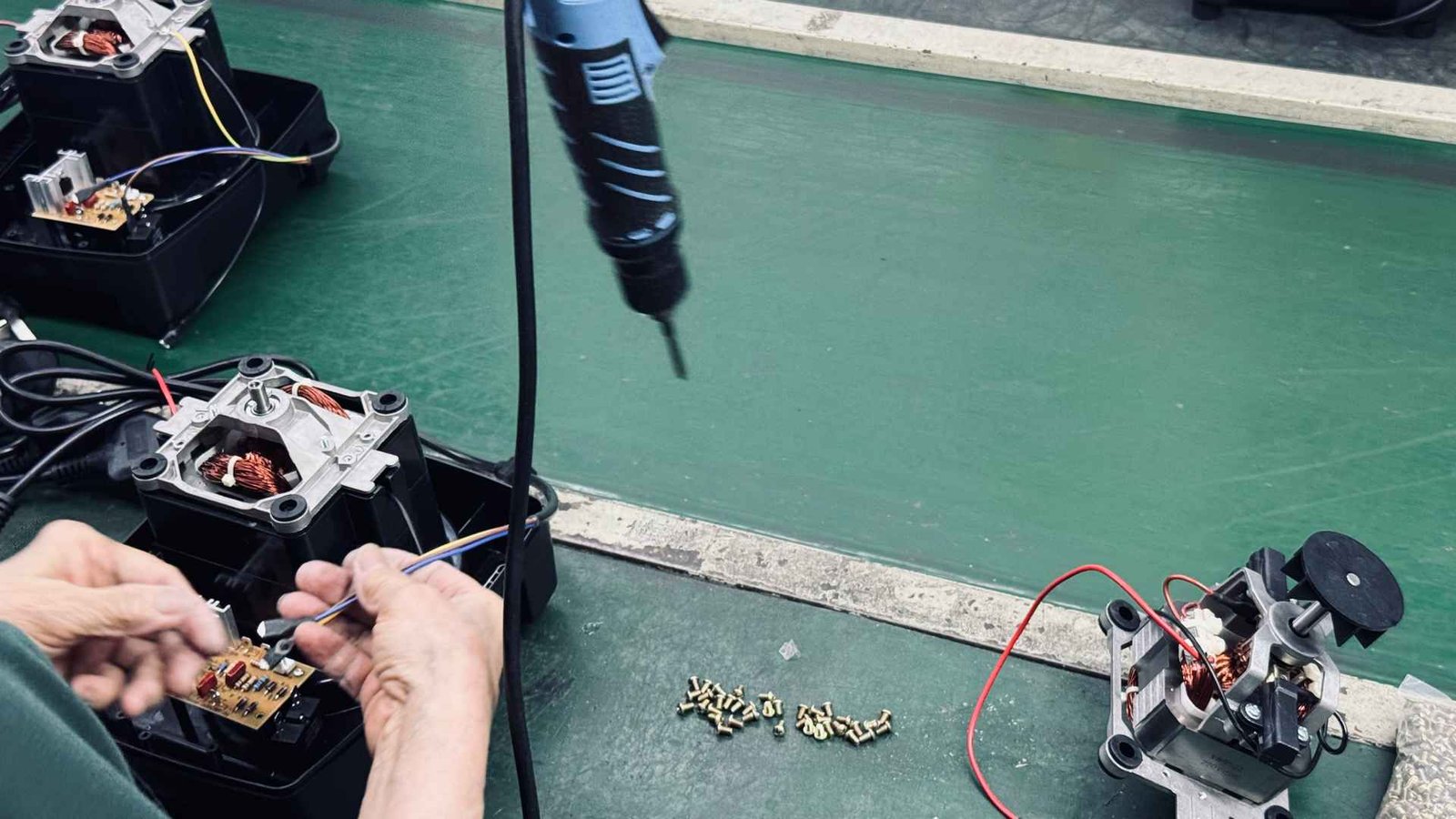
During main line assembly, complex builds are broken down into sequential workstations with clear visual work instructions. Separating motor mounting, gear train lubrication, control panel wiring, and exterior housing closure allows technicians to specialize in specific mechanical operations.
In-Process Quality Control (IPQC) inspectors patrol active lines to audit fastener torque, internal wire routing clearances away from moving parts or hot surfaces, and gear meshing smoothness before units are sealed.
Electrical Safety Testing: Hi-Pot, Ground Continuity, and Leakage Current Checks
Every commercial kitchen appliance must pass mandatory electrical safety verification at the end of the assembly line prior to packaging. Our testing stations verify compliance with international electrical safety standards required across North American, European, and global markets:
| Safety Test Item | Purpose of Inspection | Defect Prevented |
|---|---|---|
| Hi-Pot (Dielectric Withstand) Test | Applies high voltage between live/neutral conductors and accessible metal parts to verify insulation integrity | Internal short circuits, pinched wires, or inadequate creepage/clearance |
| Ground Continuity Test | Measures resistance between the power plug earth pin and exposed metal chassis components | Electric shock hazards in the event of an internal live wire fault |
| Leakage Current Test | Measures unintended current flow across insulation barriers during powered operation | Nuisance GFCI/RCD tripping in commercial kitchens and operator shock risk |
| Power & Functional Load Check | Verifies rated wattage draw, speed settings, digital controls, and safety interlock switches | Underperforming motors, faulty PCBs, or non-responsive safety cutoffs |
Mechanical Load, Waterproofing, and Packaging Drop Verification
Beyond electrical safety, product-specific mechanical and environmental tests validate real-world commercial kitchen durability:
- Gear-Driven Food Slicers (e.g., MS-2202, MS-2201, MS-1701): Blade concentricity checks, 0–20 mm slice thickness adjustment calibration, carriage slide smoothness, and built-in sharpener alignment.
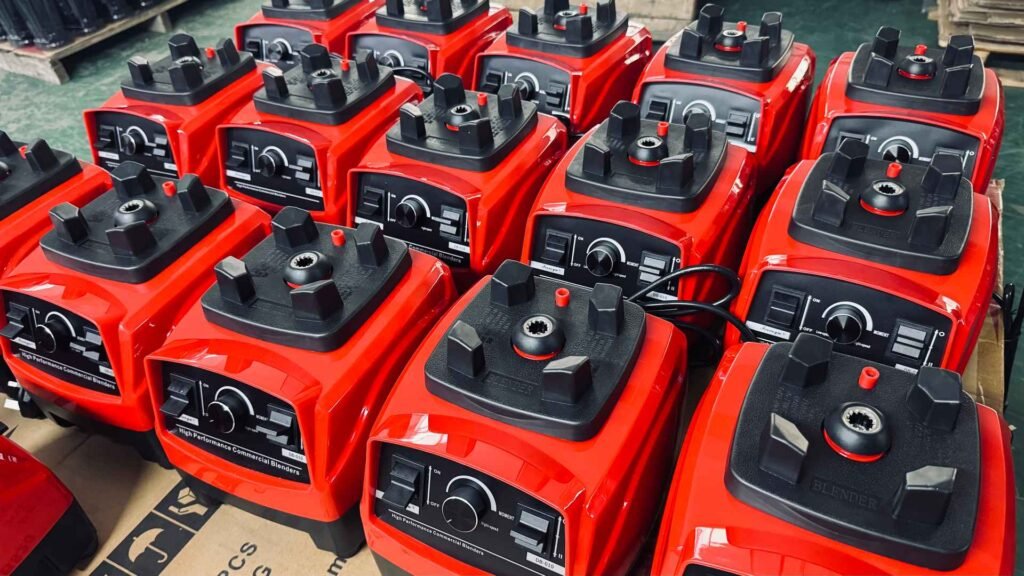
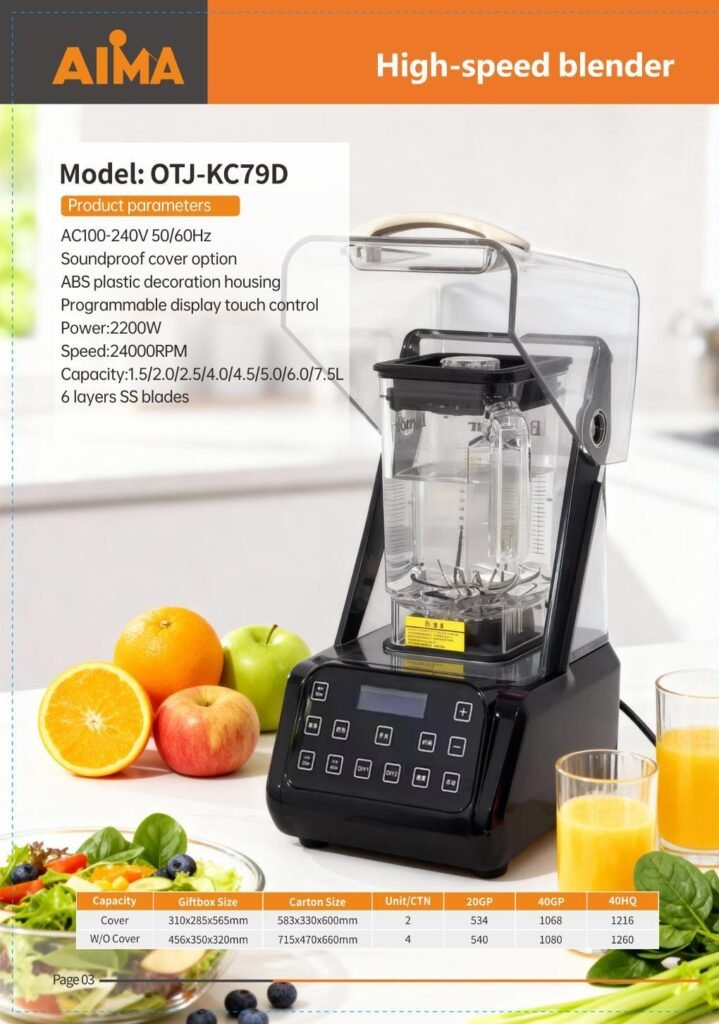
- Commercial Blender Assemblies (OTJ-KC78D, OTJ-KC79D, OTJ-329): Motor-mount torque, blade-coupling concentricity, jar-seal integrity, and thermal-cutoff verification for high-duty blending cycles.
- Export Packaging Verification: Reinforced corrugated cartons, custom-molded EPS foam inserts, and carton drop/vibration checks to protect heavy cast-iron slicers and glass/stainless cooktops during ocean freight transit.
Partnering on B2B OEM/ODM Projects: Customization, MOQ, and Factory Audits
Whether you are expanding a commercial foodservice equipment line or launching private-label appliances, working directly with an experienced manufacturer streamlines technical customization and quality assurance.
- Technical & Branding Customization: Support for regional voltage and plug configurations (110V–120V / 220V–240V, 50/60Hz), custom housing color finishes, silk-screened or laser-etched brand logos, multilingual rating labels, and retail/master carton artwork.
- Standard Production MOQ: Standard OEM/ODM production orders start at an MOQ of 1,000 pcs, enabling efficient raw material batch procurement and dedicated line scheduling.
- Pre-Shipment Inspection & Audits: Full support for Outgoing Quality Control (OQC) reports, live video factory walkthroughs, and third-party pre-shipment inspections (such as SGS, BV, or Intertek) prior to balance payment and container loading.
Ready to evaluate specifications or request a factory quote? Contact our engineering and export team with your target market voltage, product models, and customization requirements to receive detailed technical datasheets and OEM lead times.