Table of Contents
- 1. Define the project before requesting a quote
- 2. Verify the factory and product fit
- 3. Map engineering responsibilities
- 4. Scope a feasibility milestone
- 5. Separate engineering, prototype, and tooling costs
- 6. Put IP, exclusivity, and confidentiality in writing
- 7. Review manufacturing and quality evidence
- 8. A practical project qualification checklist
- 9. Frequently asked questions
1. Define the project before requesting an OEM/ODM quote
A useful first conversation starts with the product purpose, target market, expected functions, and project stage. For a genuinely new product, buyers should make clear that they need engineering assessment and development planning, rather than a logo change to an existing catalogue item.
At this stage, share only a non-confidential overview. For example, identify the product category, intended users, broad operating conditions, target region, and the decision you want the first milestone to support. Consequently, the factory can decide whether the request fits its manufacturing and engineering scope before either party exchanges sensitive files.
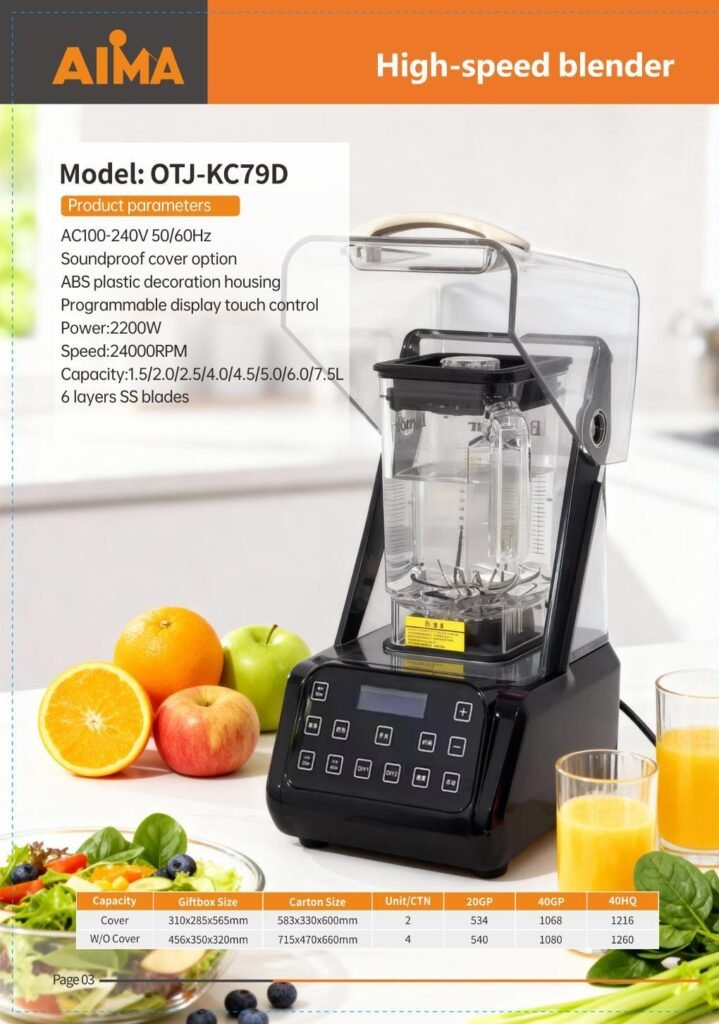
AIMA supports OEM and ODM cooperation for kitchen appliances. However, a new compact electrical product must be reviewed by the relevant engineering and sales teams before AIMA can confirm fit, deliverables, timing, or commercial terms.
2. Verify the factory and product fit
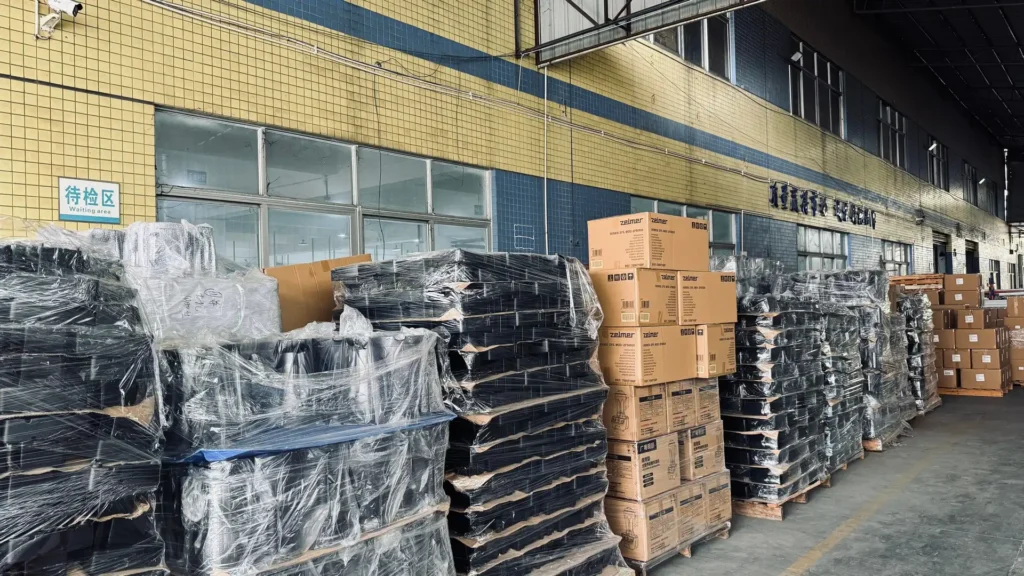
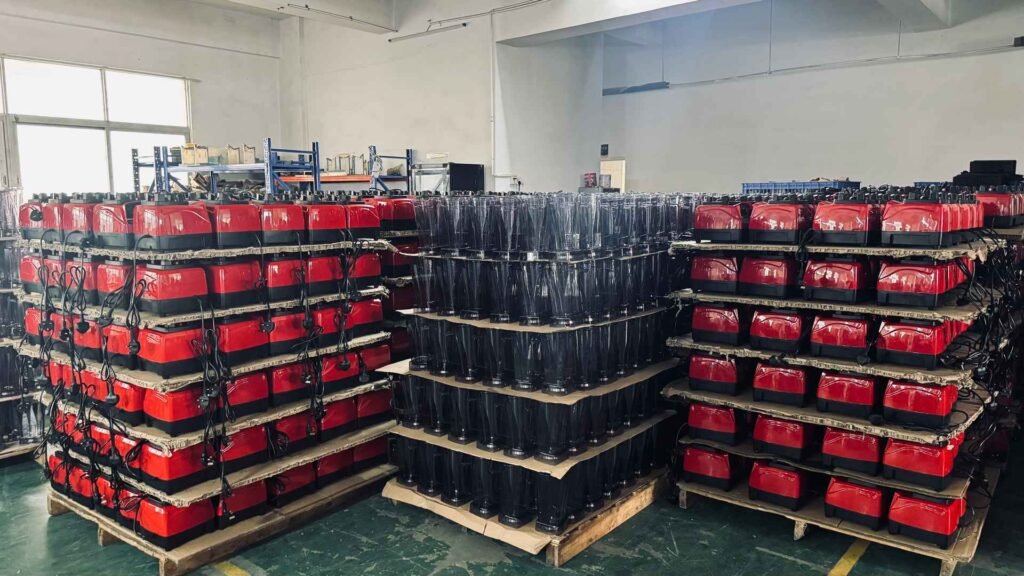
Start with traceable company details and the production activities that relate to your product. Zhongshan AIMA Electrical Appliance Co., Ltd. is based at No. 1 Wenxian Road, Dongsheng Area, Xiaolan Town, Zhongshan, Guangdong, China. The factory information provided by AIMA lists a 3,000 m² site, more than 15 years of focused kitchen-appliance manufacturing, ISO 9001 quality-system certification, and 5S management.
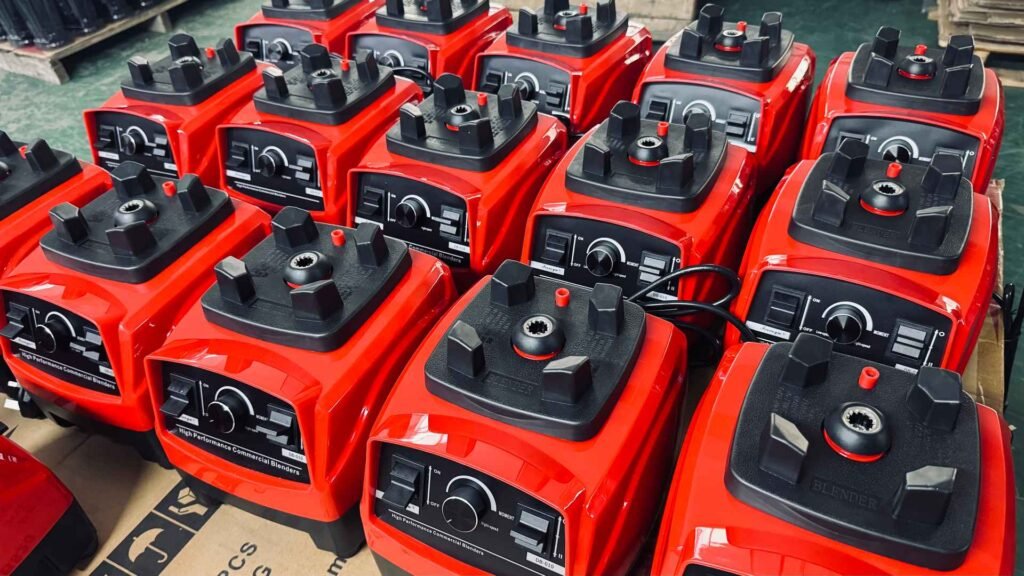
AIMA’s stated product scope includes high-power blenders and food slicers. That experience can provide relevant manufacturing context, but it does not automatically establish capability for every new product category or subsystem. Therefore, buyers should ask the factory to assess the proposed product against actual equipment, process, compliance, and engineering requirements.
| Qualification item | Information available at a high level | What to confirm for your project |
|---|---|---|
| Company and site | Zhongshan AIMA Electrical Appliance Co., Ltd.; Xiaolan Town, Zhongshan, Guangdong | Contracting entity and project communication contacts |
| Manufacturing focus | Small kitchen appliances; 3,000 m² factory; 15+ years focused manufacturing | Product-category fit, relevant production line, and available capacity |
| Quality framework | ISO 9001 system and 5S management are listed in AIMA’s company information | Current certificates, applicable scope, and project-specific inspection plan |
| Testing resources | Factory QC equipment includes electrical safety and material/physical test equipment | Which tests apply, who performs them, and what reports can be supplied |

3. Map engineering responsibilities before development starts
“OEM/ODM support” can describe different working arrangements. One project may use an existing platform with agreed modifications; another may need new mechanical parts, electronics, firmware, tooling, or outside specialist work. For this reason, buyers should request a responsibility matrix instead of assuming that every capability is performed in-house.
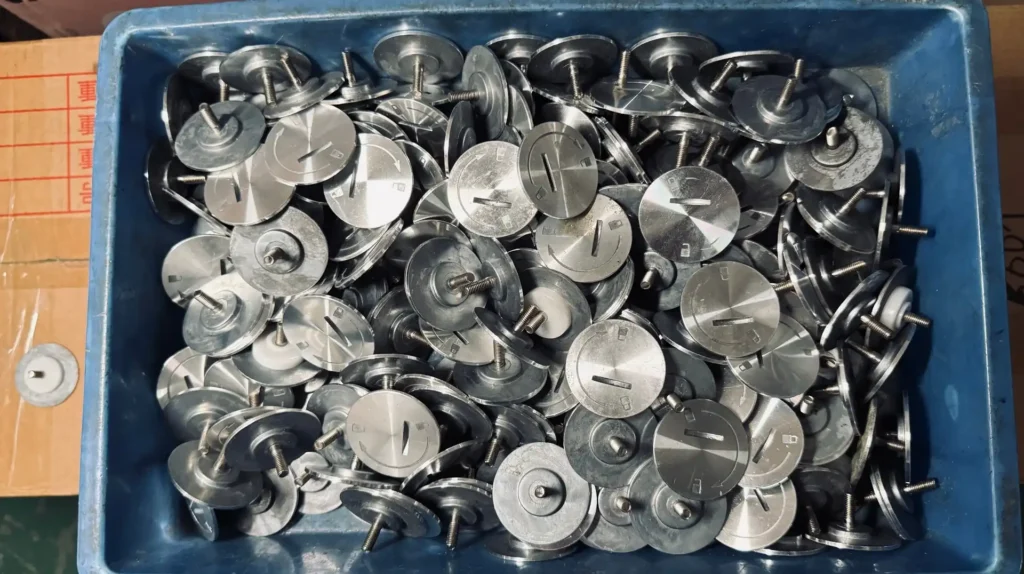
AIMA’s factory materials document manufacturing operations such as copper motor winding, ABS injection molding, assembly, terminal crimping, and product testing. They do not, by themselves, confirm that PCB design, firmware, rechargeable battery systems, electric heating, or precision mechanisms are all performed in-house for a particular new product. The engineering team should identify which tasks AIMA will perform, which need a qualified external partner, and who approves each interface.

Likewise, ask for relevant non-confidential examples only after the factory has permission to share them. If a previous program is covered by confidentiality obligations, the factory should describe only the permitted, non-sensitive information—or state that it cannot share the details.
4. Scope a fixed-price feasibility milestone
A standalone feasibility phase can reduce uncertainty before full development. Nevertheless, a fixed price is meaningful only when both sides define the work, inputs, evidence, and acceptance criteria. Buyers can ask the factory to quote one product-level assessment or one bounded subsystem experiment.
A practical statement of work should identify the technical question, assumptions, customer-supplied inputs, planned calculations or tests, sample or prototype needs, schedule, report format, editable files, and review process. In addition, it should explain what the milestone excludes, such as certification, production tooling, or unapproved third-party work.
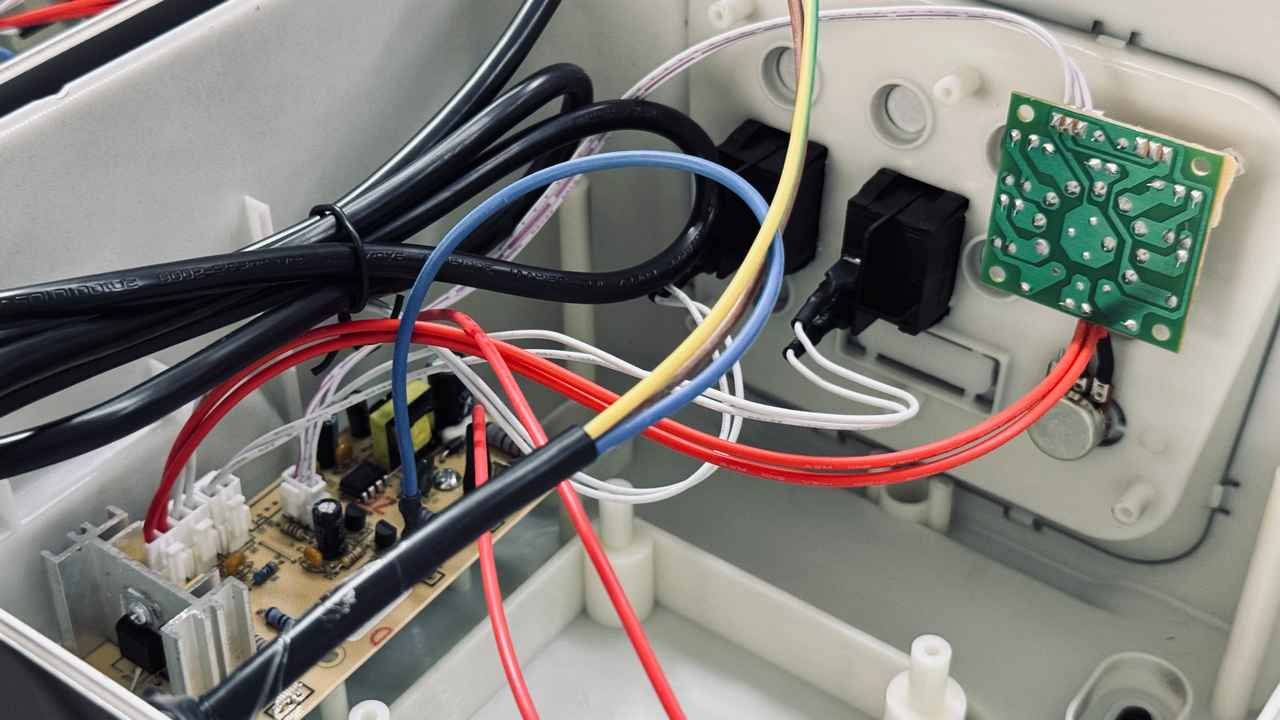
AIMA can review a proposed feasibility milestone with the customer. The fixed fee, calculations, test evidence, editable deliverables, timing, and acceptance criteria remain subject to engineering and sales review and mutual written agreement.
5. Separate engineering, prototype, and tooling costs
Ask for separate line items for feasibility engineering, prototype parts or builds, production tooling, testing, and any external specialist services. This makes the commercial decision clearer because a one-time engineering activity and a reusable production mold have different purposes, payment stages, and ownership implications.
AIMA does not publish a universal price range or minimum order quantity for a new custom product in the supplied company information. Instead, the team needs a project brief and engineering review to prepare a relevant quotation. Buyers can also request that assumptions, quote validity, revisions, shipping, taxes, and change-request handling be stated explicitly.
| Cost line | Questions to define before approval | AIMA project handling |
|---|---|---|
| Feasibility engineering | Scope, hours or outputs, evidence, exclusions, acceptance | Discussed and quoted after requirements review |
| Prototype / experiment | Build quantity, materials, test method, iteration limits | Requires engineering and sales confirmation |
| Production tooling | Tool design, cost, maintenance, storage, transfer rights | Tooling fee and terms discussed project by project |
| Production order | MOQ, forecast, lead time, packaging, quality criteria | Quoted against the confirmed product and order plan |

6. Put IP, exclusivity, and confidentiality in writing
Ownership of paid engineering, drawings, source files, prototypes, and tooling should be settled in the written agreement. The agreement can distinguish customer-supplied background IP from newly created project outputs, factory know-how, third-party components, and manufacturing records. As a result, both parties know what can be used, transferred, or retained after the project.
Exclusivity is also a negotiable commercial term. Buyers should specify its product scope, territory, duration, channels, and any purchase or payment commitments. AIMA is open to discussing different cooperation arrangements, including exclusivity, when the proposed terms are feasible and mutually agreed.
AIMA can sign a confidentiality agreement. The customer has also indicated that external coordination or sharing of technical material requires prior written approval; therefore, that approval process should be recorded in the NDA or project agreement before any external party receives materials. Each proposed subcontractor, information category, and permitted purpose can then be reviewed and approved in writing.
7. Review manufacturing and quality evidence
Manufacturing readiness should be checked through evidence tied to the product and process. AIMA’s company materials describe IQC incoming inspection, full inspection of key components, and QC equipment for RoHS, drop, vibration, glow-wire, ball-pressure, and leakage-current testing. The factory also lists production operations including motor winding, injection molding, assembly, terminal crimping, and hipot testing.
However, a capability list does not prove that every test is applicable to a proposed product or that every test report is available for every project. Ask the team to identify the test standard, sample size, acceptance criteria, equipment or laboratory, report ownership, and whether an accredited external laboratory is needed. For export products, separately confirm the target-market regulations and the precise certificates or declarations that apply.

For related manufacturing information, see Inside the AIMA factory and review relevant AIMA product categories.
8. A practical OEM/ODM factory qualification checklist
Before sending confidential engineering files, use a short qualification sequence. First, exchange a non-confidential product overview. Next, ask the factory to name the internal owner for each workstream and flag external support needs. Then, agree on an NDA and written approval process before sharing sensitive information.
- Company fit: Confirm the legal contracting entity, factory location, relevant manufacturing processes, and product-category experience.
- Engineering map: Mark mechanical, electrical, firmware, battery, heating, testing, and compliance tasks as in-house, external, or not yet confirmed.
- Feasibility quote: Define one milestone with outputs, test evidence, editable deliverables, exclusions, timing, and acceptance criteria.
- Commercial terms: Request separate engineering, prototype, tooling, and production quotations; confirm MOQ after the specification is reviewed.
- Rights and controls: Agree on ownership, file delivery, tool access, exclusivity, confidentiality, and written approval for external sharing.
- Decision gate: Review the feasibility results and make a separate written decision before moving into full development or production.
This sequence lets both sides assess fit without treating an initial discussion as a promise about unconfirmed technical capabilities, prices, or production terms.
9. Frequently asked questions about OEM/ODM projects
Can AIMA assess a completely new product rather than a catalogue variation?
AIMA supports OEM/ODM cooperation and can review a new-product request. Engineering and sales must assess the product brief before confirming technical fit, scope, schedule, or price.
Can AIMA quote a fixed-price feasibility study?
AIMA can discuss a separate feasibility milestone. The fixed price and deliverables depend on a defined scope, required evidence, editable-file needs, test plan, schedule, and acceptance criteria agreed in writing.
What are AIMA’s engineering prices and normal MOQs?
The supplied company information does not establish universal price ranges or MOQs for custom projects. AIMA prepares project-specific quotations after reviewing requirements with engineering and sales.
Who owns the drawings, source files, and tooling?
Ownership and access terms are project-specific. The customer and factory should agree in writing on engineering outputs, drawings, source files, tooling, background IP, and any transfer or use rights before work begins.
Will AIMA sign an NDA and seek approval before subcontracting?
AIMA can sign an NDA. External coordination and sharing of technical materials can be governed by prior written customer approval, with the relevant parties, materials, and permitted purpose identified in the agreement.
Can the customer require exclusive manufacturing?
Exclusivity can be discussed as one possible cooperation arrangement. Its scope, territory, duration, and commercial conditions require mutual review and written agreement.
Discuss a New OEM/ODM Project
Send a non-confidential product overview to AIMA’s sales team. We can review the initial requirements with engineering and discuss the appropriate next step, including an NDA and a separately scoped feasibility phase.
Contact AIMA About Your ProjectEmail: sales2@zs-aima.com | Tel: +86 760 2255 8182