Container & Landed Cost Planning
Table of Contents
- What landed cost actually includes
- FOB, freight and insurance are three different lines
- Duty, VAT and destination charges
- 20GP versus 40HQ: the cube decision
- Packaging and chargeable volume
- Mixed containers: blenders and slicers
- How to fill the landed-cost worksheet
- What to send for a freight-inclusive quote
- Frequently Asked Questions (FAQ)
1. What landed cost actually includes
Landed cost is the total cost of getting one unit into your warehouse, ready to sell or distribute. It starts with the supplier’s FOB price, but it does not stop there. Freight, insurance, duty, VAT, port handling, customs brokerage, inland trucking and the cost of financing the inventory all belong in the same worksheet.
Buyers often compare the FOB line and ignore the rest. That works only when the two offers use the same Incoterm, the same packaging and the same destination. Once one quote is EXW and the other is CIF, the FOB comparison is no longer meaningful.
Build the worksheet before you negotiate. When every cost line is visible, a higher FOB quote can still be the lower landed cost if it includes better packaging, a denser load or a shorter inland leg.
2. FOB, freight and insurance are three different lines
FOB covers the goods and the cost of loading them onto the vessel at the named port. Freight covers the ocean leg. Insurance covers the cargo while it is in transit. They are separate contracts, even when one forwarder quotes them together.
Ask for the freight rate, the surcharges, the transit time and the validity date in writing. A rate without a validity date is not a budget; it is a snapshot. Fuel, peak-season and security surcharges can change the number before the container sails.
Insurance is usually a small line, but it is not optional for a container of commercial appliances. Confirm the coverage basis and the declared value with your forwarder or broker. If the shipment is financed, the bank may require a specific coverage level.
3. Duty, VAT and destination charges
Duty and VAT are destination taxes, not factory costs. The duty rate depends on the product classification and the destination country; the VAT or sales tax depends on the import regime and the buyer’s registration. Your customs broker should confirm both before the order is placed, not after the container arrives.
Destination charges include terminal handling, customs clearance, documentation, delivery order, demurrage risk and inland transport. These charges are often quoted separately from the ocean freight, so a “cheap” freight rate can hide a larger destination bill.
Ask for a landed-cost quote that shows the destination charges as separate lines. If the forwarder cannot break them out, the total is not comparable with another forwarder’s quote.
4. 20GP versus 40HQ: the cube decision
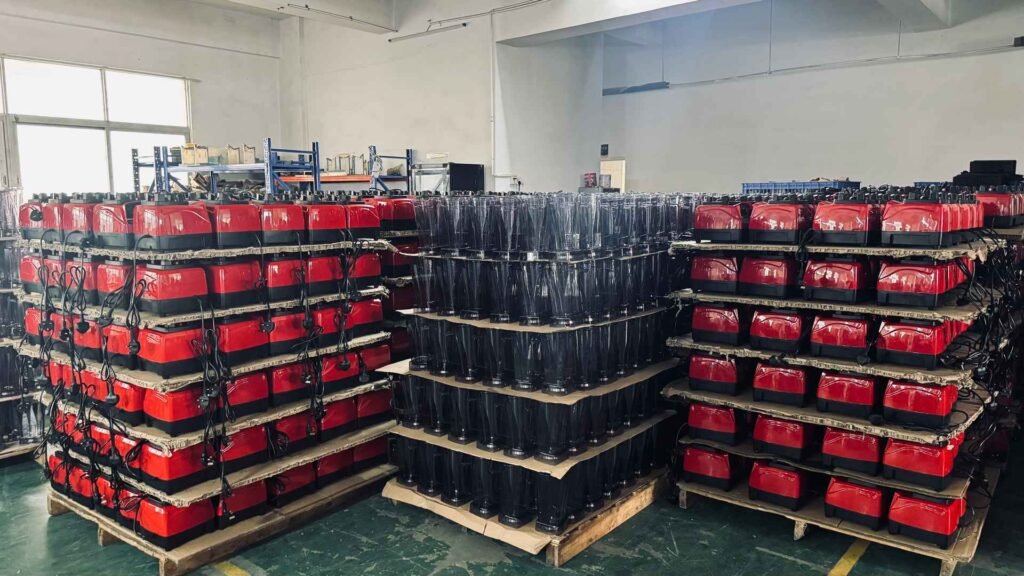
A 20GP and a 40HQ carry different volumes and have different per-unit freight economics. The right choice depends on the product mix, the packed weight, the carton dimensions and the destination. A heavy load may reach the weight limit before the container is full; a light, bulky load may run out of cube first.
Do not choose a container size from a rule of thumb. Ask for the packed volume per unit, the gross weight per carton and the reference load for the exact model and packaging. Then compare the freight per unit, not the freight per container.
For a first order, a 20GP can reduce the inventory commitment. For a repeat program, a 40HQ usually lowers the freight per unit if the product is light enough to fill the cube. The answer changes with the mix, so run both scenarios in the worksheet.
5. Packaging and chargeable volume
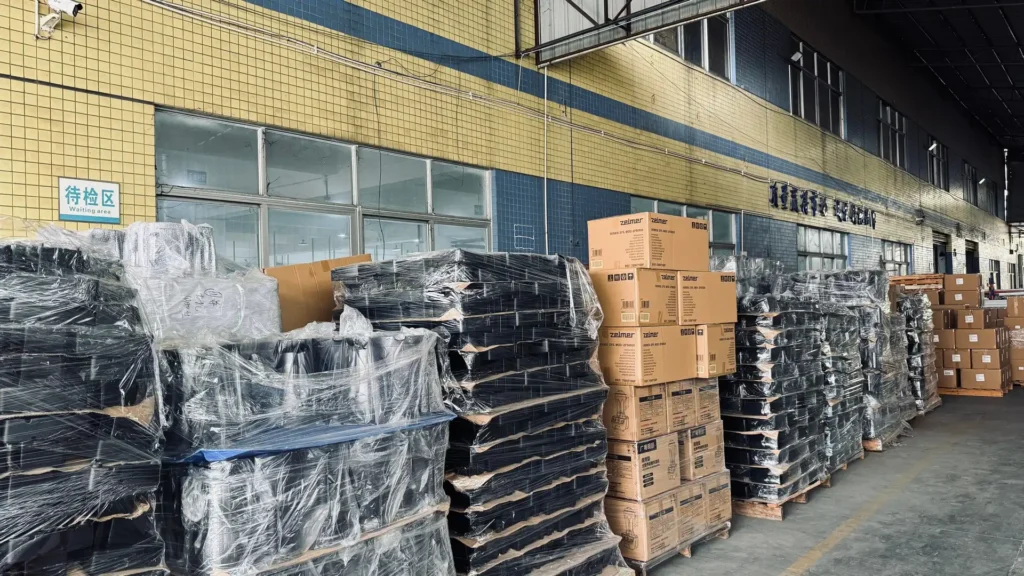
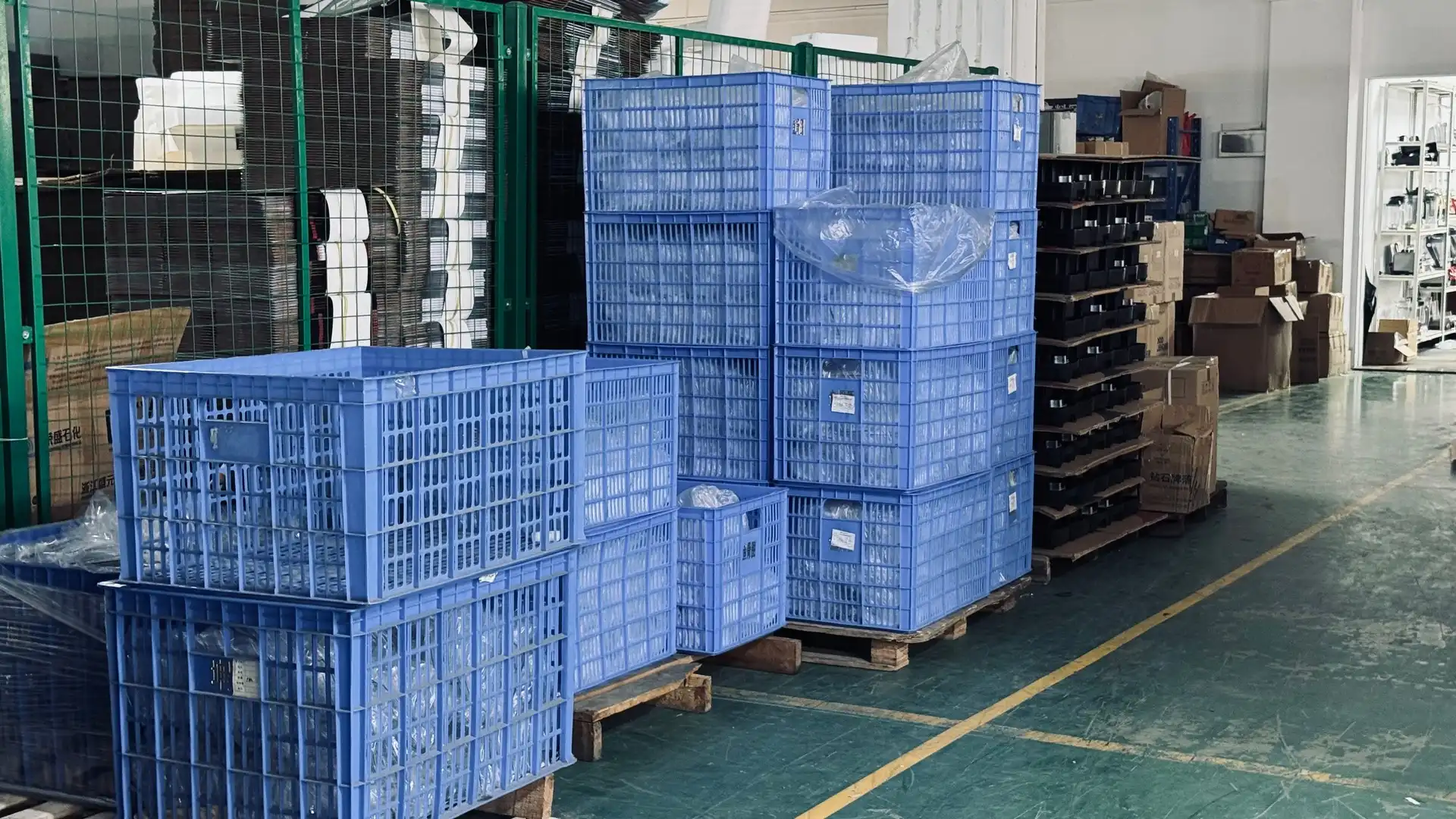
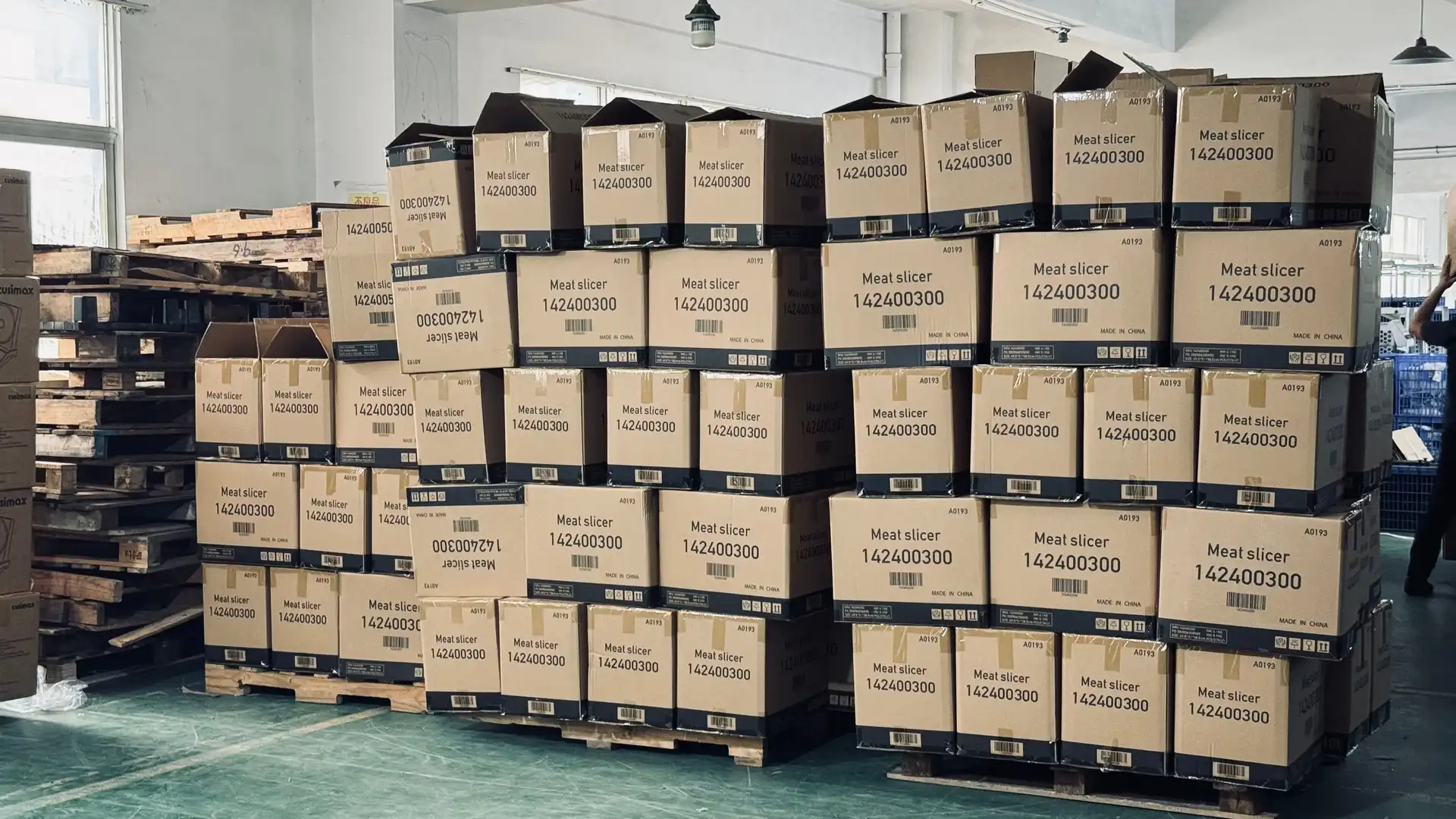
Freight is charged on volume or weight, whichever the carrier uses for the lane and the cargo. Packaging changes both. A thicker carton, extra foam or a pallet adds cube and weight; a well-designed master carton can protect the product with less empty space.
Ask for the master carton dimensions, the gross weight, the units per carton and the pallet pattern. If the supplier cannot provide them, the forwarder is guessing. A guess at the quotation stage becomes a surprise at the loading dock.
Packaging also affects damage claims and returns. A carton that is too thin may save a small amount on paper but fail in a stacked container. The cheapest packaging is the one that delivers the product without a claim.
The container loading and freight optimization guide explains how carton dimensions, pallet patterns and mixed loads change the per-unit freight calculation.
6. Mixed containers: blenders and slicers
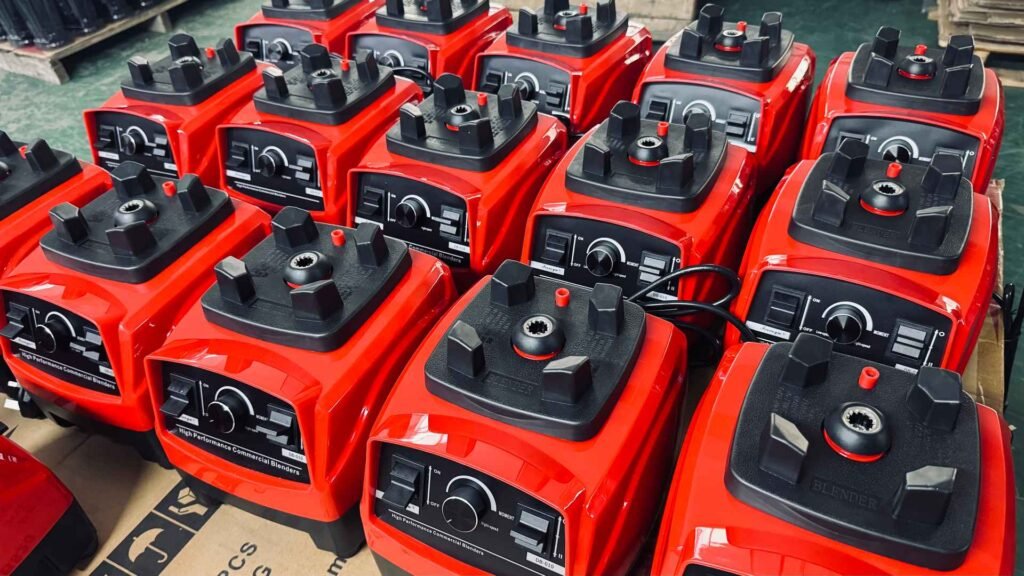
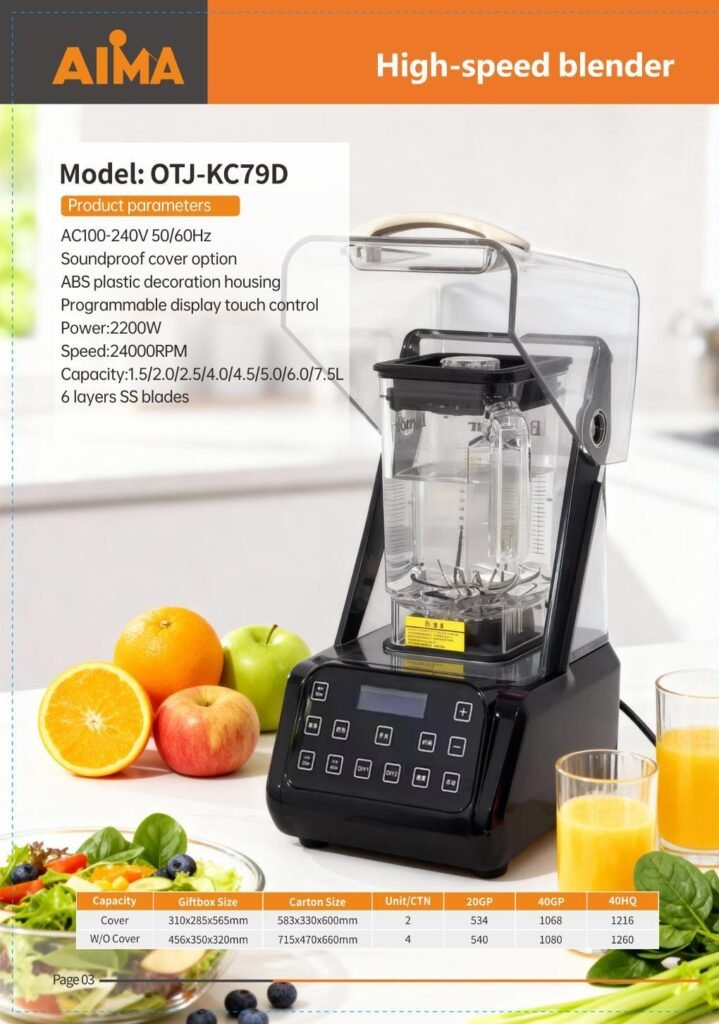
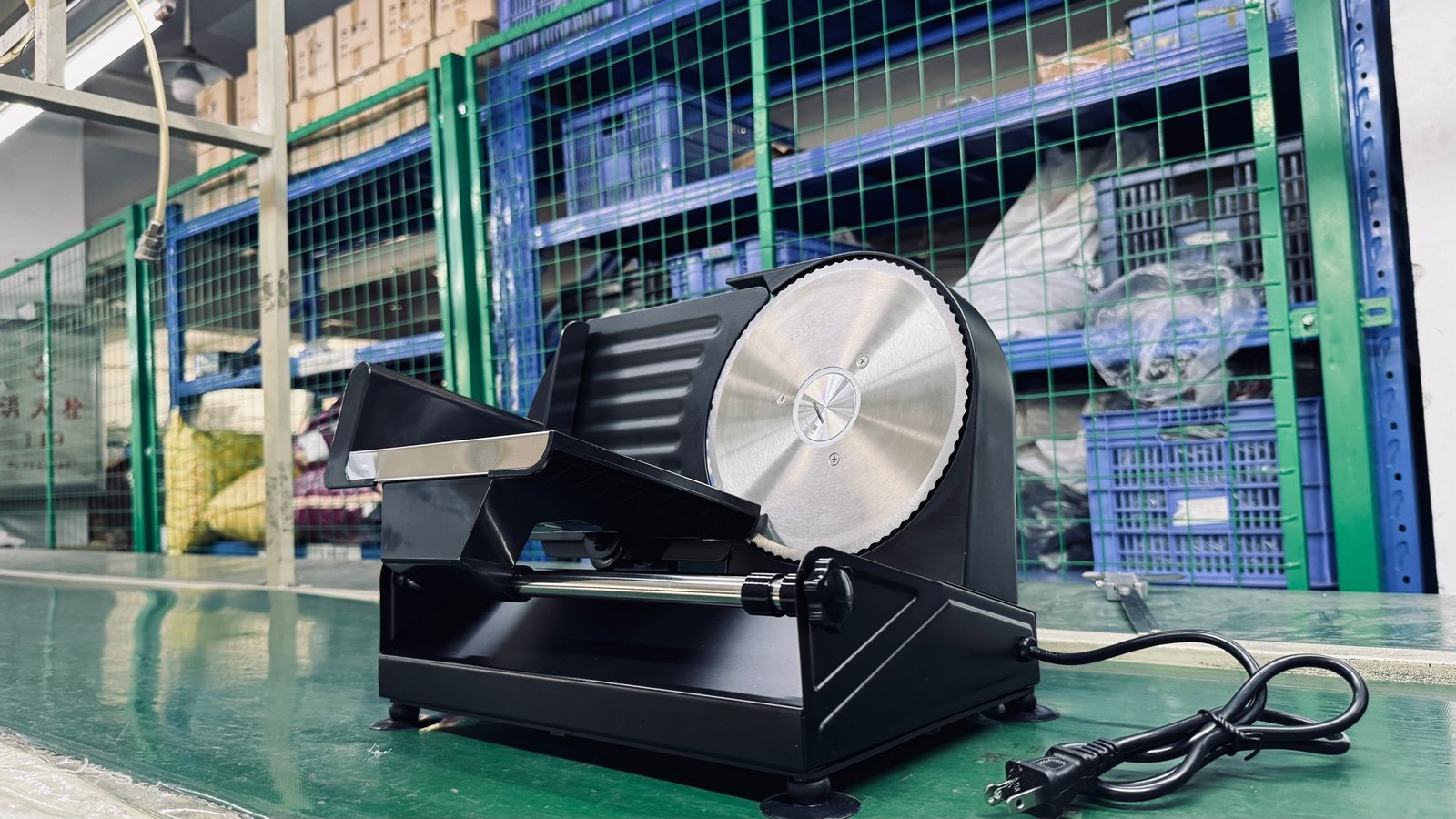
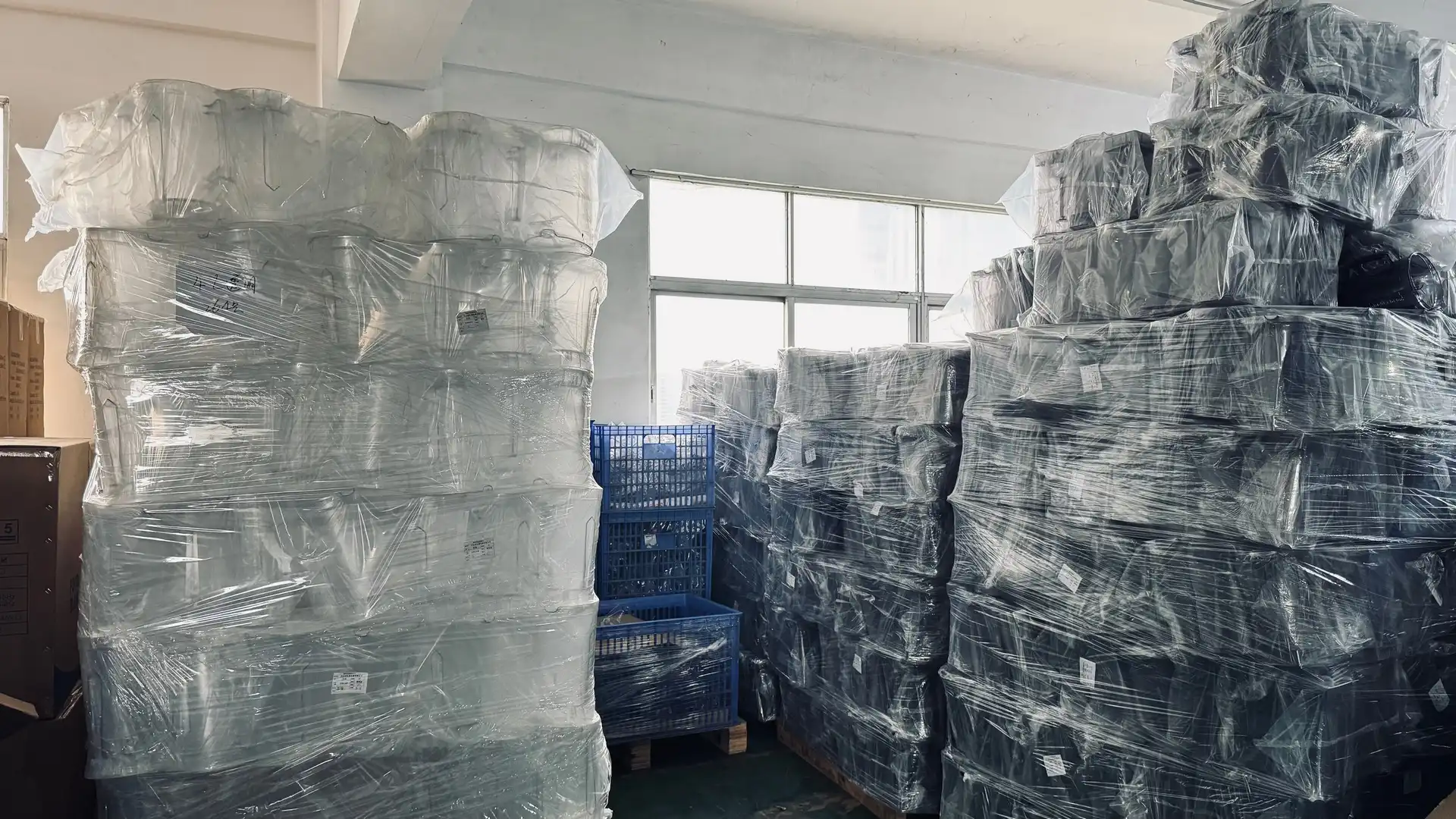
Most importers do not ship one SKU. A 40HQ can combine commercial blenders with food slicers, using the denser slicer cartons to fill the space around the blender cartons. The mix can improve cube utilization, but it also complicates the loading plan, the packing list and the inspection lot.
Start with the reference load for each model, then adjust for the carton dimensions and the pallet pattern. Do not simply add the two maximum loads together; the combined weight, the stack height and the door access all matter.
The OTJ-KC78D soundproof commercial blender and the MS-2202 220mm commercial food slicer are a common mixed-container pair for hotel and supermarket programs. Browse the full commercial food slicers category for blade sizes and housing options. Ask AIMA for a loading plan that shows both model codes, quantities and carton counts.
7. How to fill the landed-cost worksheet
Use one row per cost line and one column per source. Leave a cell blank if the number is not confirmed; a blank is more honest than an estimate that becomes a budget. The table below is a worksheet structure, not a rate card.
| Cost line | Where to get it | Formula or note |
|---|---|---|
| FOB or EXW goods value | Factory quotation | Per model and configuration |
| Ocean freight | Forwarder quote | Rate × chargeable volume or weight; note validity date |
| Insurance | Forwarder or broker | Declared value × coverage basis |
| Duty | Customs broker | Classification and destination rate |
| VAT or sales tax | Broker or accountant | Destination regime and buyer registration |
| Port and terminal | Forwarder | THC, documentation, delivery order |
| Inland delivery | Trucker | Port to warehouse; waiting time and liftgate |
| Inspection and financing | Inspector, bank | Third-party inspection, LC or credit cost |
| Contingency | Your finance team | A named percentage for demurrage and rate movement |
8. What to send for a freight-inclusive quote
A freight quote is only as good as the shipment brief. Send the same data to the factory and the forwarder so both are planning the same cargo.
| Item | What to specify |
|---|---|
| Models and quantities | Blender and slicer model codes, units per model |
| Carton data | Units per carton, carton dimensions, gross weight |
| Pallet plan | Palletized or floor-loaded; stack height limit |
| Incoterm | EXW, FOB, CIF or DDP; named port or address |
| Destination | Port, warehouse city and delivery constraints |
| Cargo ready date | Production completion and loading window |
| Special requirements | Inspection, labeling, mixed-load sequence |
If the order includes a custom voltage, plug or private-label packaging, include it in the same brief. Pricing is quoted per project — email sales2@zs-aima.com for the factory quotation, and send the same model and carton data to your forwarder for the freight line.
Pricing is quoted per project. Send your models, quantities, carton data, Incoterm and destination to sales2@zs-aima.com for a written factory quotation.
Email RicardoContact: Ricardo | sales2@zs-aima.com

9. Frequently Asked Questions (FAQ)
Does AIMA publish 40HQ container freight rates?
No. Ocean freight changes by lane, date, carrier and surcharges. AIMA quotes the factory scope; your forwarder should quote the freight for the same carton data and Incoterm. Email sales2@zs-aima.com for the factory quotation.
Why is landed cost different from the FOB price?
Landed cost adds freight, insurance, duty, VAT, port charges, inland delivery and financing to the FOB goods value. Two suppliers with the same FOB price can have different landed costs if their packaging or Incoterm differs.
Should I book a 20GP or a 40HQ?
It depends on the packed volume, gross weight, product mix and destination. Compare the freight per unit for both scenarios, not the freight per container. A heavy load may reach the weight limit before the cube is full.
Can blenders and slicers share a 40HQ container?
Yes, a mixed container is possible when the carton dimensions, stack height and weight distribution are planned together. Ask AIMA for a loading plan that lists both model codes, quantities and carton counts.
What information speeds up a container cost quote?
Send the models, quantities, units per carton, carton dimensions, gross weight, pallet plan, Incoterm, destination port or address, and cargo-ready date. The same brief should go to the factory and the forwarder.