Commercial Food Slicer Sourcing
Table of Contents
- Blade size and material set the cutting platform
- Housing: aluminum casting versus iron casting
- Gear drive versus belt drive
- Motor, carriage and sharpener
- Certification and market version
- Order volume, packaging and Incoterm
- How to compare two slicer quotes line by line
- What to send for a written quotation
- Frequently Asked Questions (FAQ)
1. Blade size and material set the cutting platform
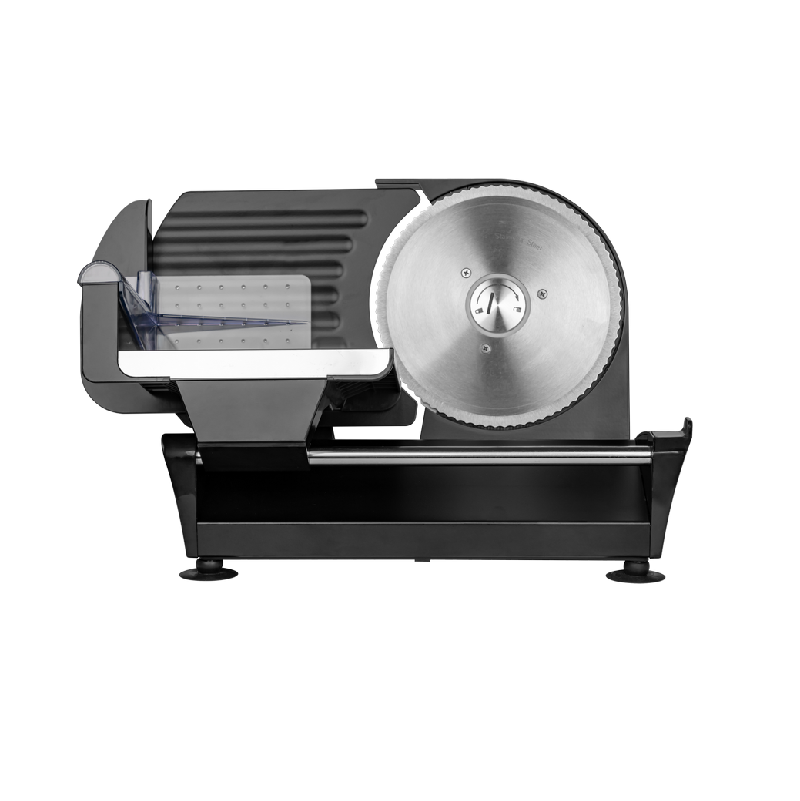
Blade diameter is the first visible specification, but it is not the whole blade cost. A 170mm, 190mm or 220mm blade uses a different amount of stainless steel, a different guard and a different carriage geometry. The blade thickness, hardness, grinding process and replacement availability also change the quote.
A larger blade is not automatically better for every account. A deli with limited counter space may prefer a compact 190mm model, while a supermarket fresh department or a high-volume butcher may need the 220mm platform. The right question is not “which blade is cheapest?” but “which blade size matches the daily volume and the product mix?”
Ask for the blade diameter, material, thickness adjustment range and whether the blade can be removed for sharpening. A blade that is difficult to service can cost more over five years than a slightly higher initial quote with a serviceable design.
2. Housing: aluminum casting versus iron casting
The housing is the second major cost line. Aluminum casting is lighter and can improve container density; iron casting is heavier and gives the machine a more stable feel under load. Neither material is automatically “better” for every buyer. The choice depends on the counter, the daily volume and the freight budget.
An iron casting housing adds material and weight, which can raise the unit cost and reduce the number of units per container. An aluminum housing can lower freight per unit, but it may need a different surface treatment and a different quality check. Ask for the housing material, the casting process and the unit weight before comparing the FOB line.
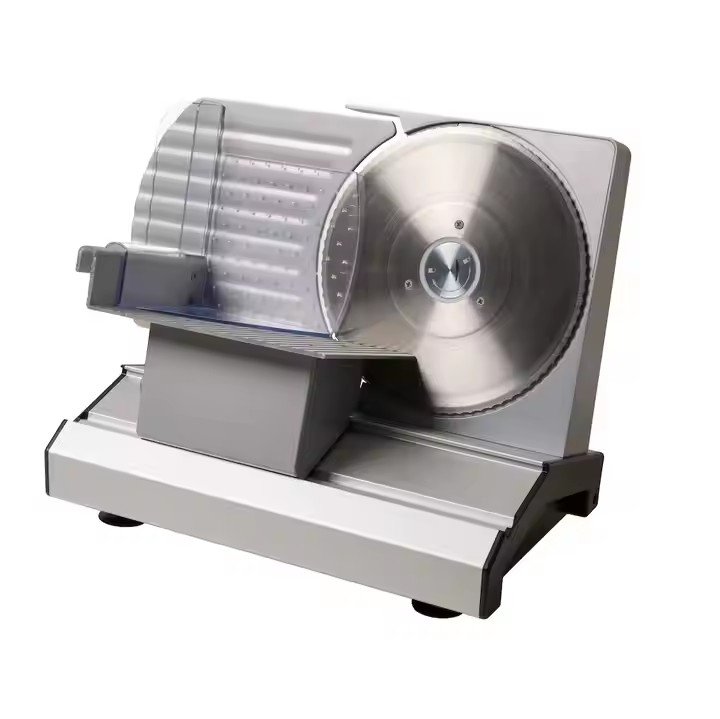
The MS-2202 220mm iron casting commercial food slicer and the MS-2201 220mm aluminum casting commercial food slicer are two examples of the same blade platform with different housing economics. The quote should state which one is being offered.
3. Gear drive versus belt drive
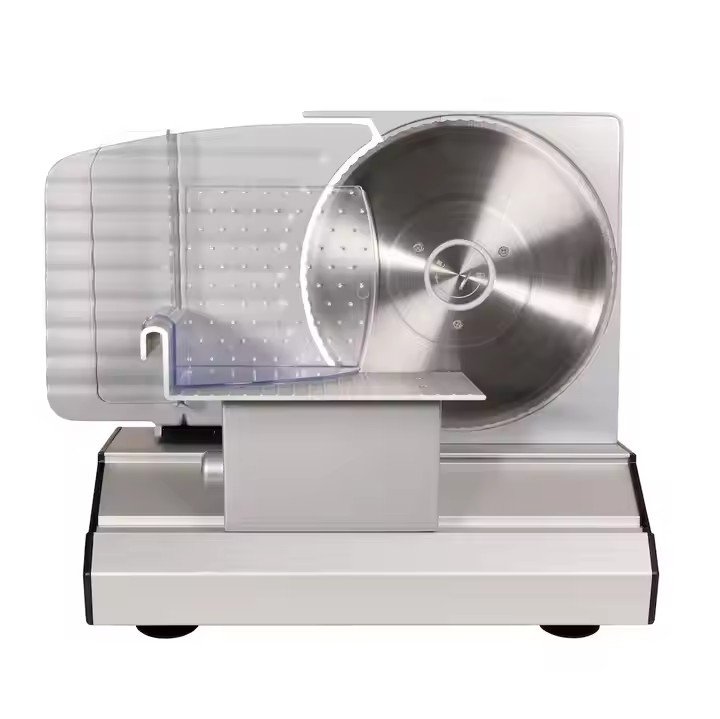
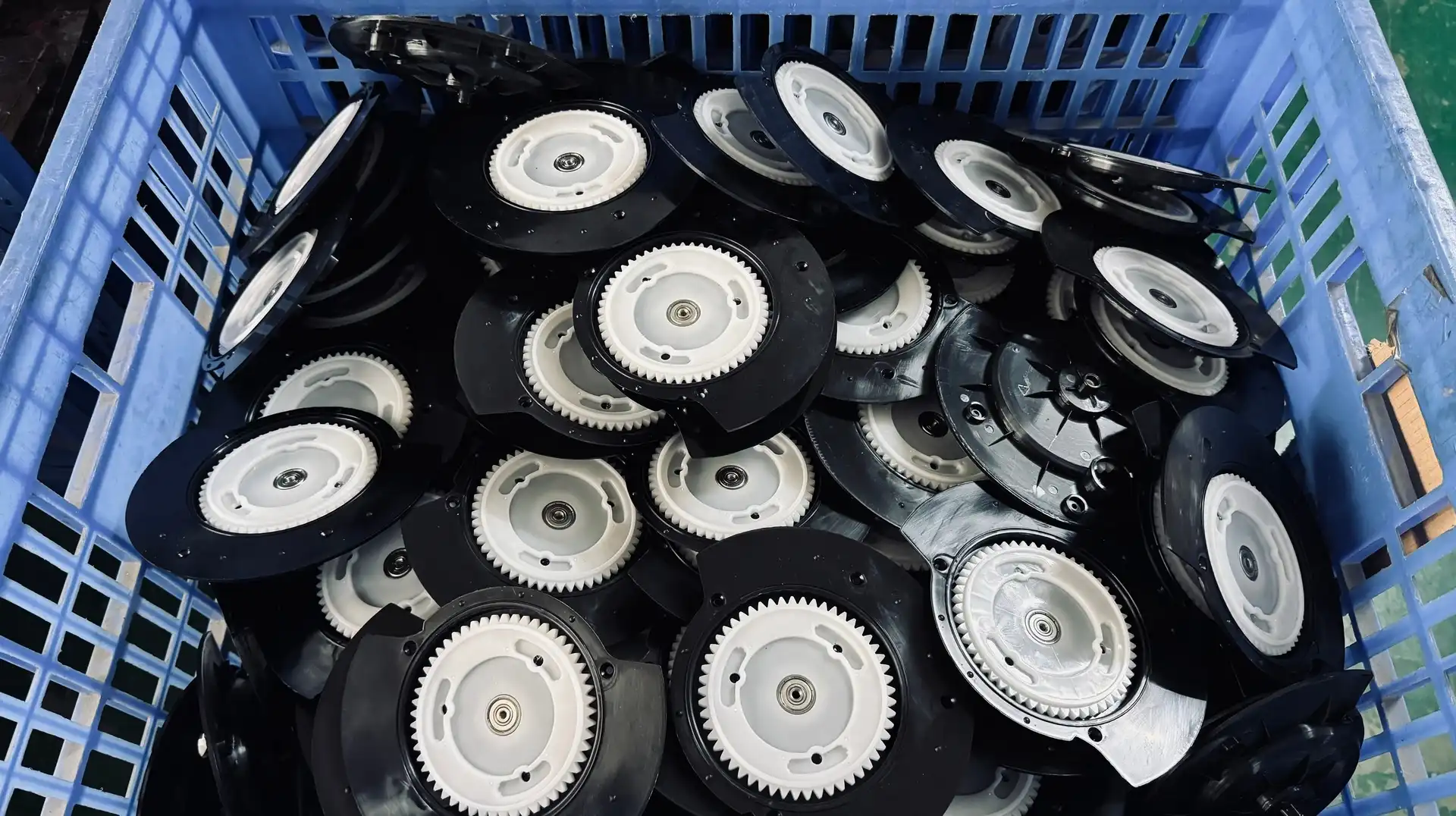
The drive system is where a low quote often hides. A gear-driven slicer transfers motor torque through a gear train and is designed for dense meat and cheese without belt slip. A belt-driven slicer can be cheaper to build, but the belt is a wear item and may slip under load. The quote should name the drive type and the gear or belt material.
Gear drive is not only a performance choice; it is a cost choice. The gear material, heat treatment, bearing support and housing alignment all add cost. A hardened gear set with a supported shaft costs more than a light gear set in a thin housing, even when both are described as “gear driven.”
Ask how the drive is lubricated, whether the gear set is serviceable, and what spare parts are available. The commercial meat slicer maintenance and spare parts guide explains the wear points that should be checked before a quote is accepted.
4. Motor, carriage and sharpener
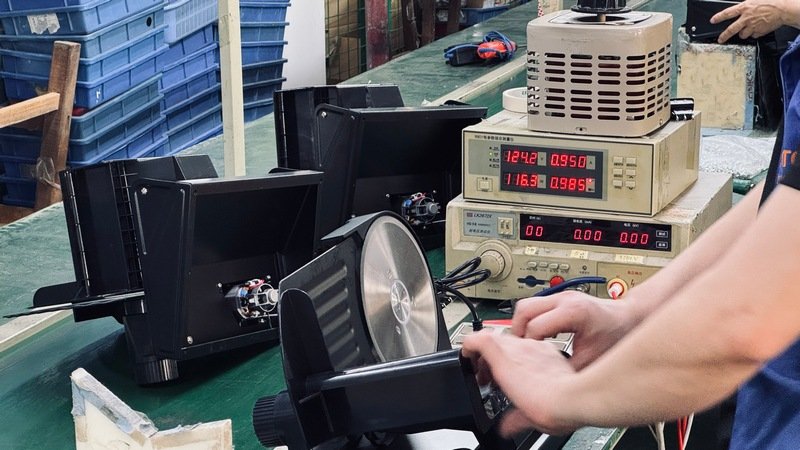
The motor is usually a 220W class in this slicer category, but the quote should still confirm the motor version, duty cycle and thermal protection. A motor that is adequate for a small deli may not be the right choice for a supermarket that slices continuously through a lunch rush.
The carriage and sharpener are smaller parts with a large effect on the user experience. A smooth carriage, a stable product clamp and a built-in sharpener reduce operator fatigue and downtime. A low quote may use a lighter carriage or omit the sharpener, so check the configuration before comparing the total.
Ask for the carriage travel, the product clamp design, the sharpener type and the safety guard. A slicer that is difficult to clean or sharpen will cost more in labor than the difference between two quotes.
5. Certification and market version
A slicer quote for Europe is not the same as a quote for North America or the Middle East. Voltage, frequency, plug type, label content, manual language and the certification file all change with the destination. The 110V and 220–240V versions should be quoted as separate configurations.
Certification is model-specific. A CE or CB file for one slicer configuration does not automatically cover a different voltage, plug, motor or housing. Ask for the certificate scope and the report number that matches the exact SKU. If the reply is “CE available” without a model and report, the quote is incomplete.
For buyers building a deli or supermarket program, the commercial food slicers category shows the blade sizes and housing options that should be quoted separately. Certification documents are supplied for the ordered configuration, not as a blanket promise for every accessory.
6. Order volume, packaging and Incoterm
Order volume changes the quote because it changes material purchasing, casting runs, assembly setup and inspection sampling. A trial order and a repeat container order are not the same purchase. MOQ is project-specific; confirm it with AIMA at the quotation stage.
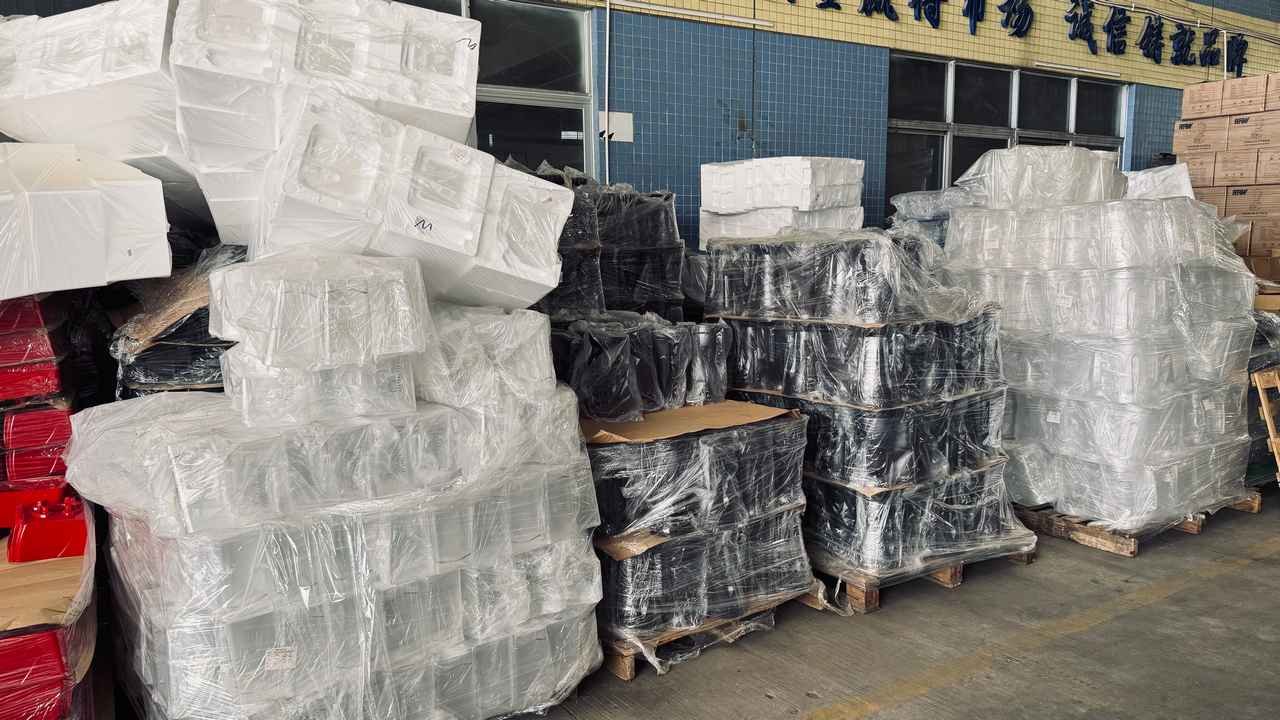
Packaging is another line that is easy to hide. Foam protection, a reinforced master carton, a pallet plan and a drop-test requirement all add cost. A heavier iron casting slicer may need a stronger carton and a different pallet pattern. Ask for the master carton dimensions, gross weight and the reference load for the exact model.
Incoterm changes the quote as well. EXW, FOB, CIF and DDP allocate freight, insurance, duty and destination charges differently. A lower FOB quote can still be the more expensive landed option if it excludes export packaging or the documents your market requires.
7. How to compare two slicer quotes line by line
Place the two quotes side by side and check the same seven lines. If a supplier cannot answer a line, mark it as unconfirmed rather than assuming it is included.
| Cost driver | What changes | What to ask |
|---|---|---|
| Blade | Diameter, steel grade, thickness, grinding | Blade material, sharpening method, spare blade |
| Housing | Aluminum or iron casting, unit weight | Material, casting process, net weight |
| Drive | Gear or belt, gear material, bearing support | Drive type, lubrication, serviceable parts |
| Motor | Power, duty cycle, thermal protection | Motor version, test record, replacement motor |
| Carriage and sharpener | Travel, clamp, built-in or separate sharpener | Configuration, safety guard, cleaning access |
| Certification | Voltage, plug, report scope, label and manual | Certificate number and exact model coverage |
| Packaging and Incoterm | Foam, carton, pallet, freight allocation | Carton size, gross weight, EXW/FOB/CIF/DDP |
8. What to send for a written quotation
A useful slicer quote starts with a complete brief. The more precisely you describe the blade, housing, drive and market, the fewer revisions you need later.
| Item | What to specify |
|---|---|
| Model or target spec | Blade diameter, housing preference, drive type |
| Quantity | Trial order, repeat order or annual volume |
| Voltage and plug | 110V/60Hz or 220–240V/50–60Hz; destination plug |
| Certification market | EU, North America, Middle East or other; required files |
| Packaging | Retail box, private label, master carton, pallet |
| Incoterm and destination | EXW, FOB, CIF or DDP; port or final address |
If the project includes a private-label housing colour, logo or custom packaging, describe it in the same email. Pricing is quoted per project — email sales2@zs-aima.com with the checklist above for a written quotation.
Pricing is quoted per project. Send your blade size, housing preference, quantity, voltage, certification market and packaging requirements to sales2@zs-aima.com for a written quotation.
Email RicardoContact: Ricardo | sales2@zs-aima.com

9. Frequently Asked Questions (FAQ)
Does AIMA publish a commercial meat slicer price list?
No. Pricing is quoted per project because the blade, housing, drive, motor, certification, packaging and order volume change the cost. Email sales2@zs-aima.com with your specification for a written quotation.
Why do two 220mm commercial meat slicers have different quotes?
The blade diameter can be the same while the housing material, drive type, motor, carriage, sharpener, certification and packaging differ. Compare those lines before comparing the total.
Is iron casting more expensive than aluminum casting?
Iron casting adds material and weight, which can raise the unit cost and reduce container density. Aluminum casting is lighter and can improve freight per unit. Choose the housing for the duty and the counter, not only for the quote.
Can AIMA quote a different voltage for a commercial meat slicer?
Voltage, frequency and plug are confirmed per model and destination. Specify 110V/60Hz or 220–240V/50–60Hz and the required certification files; AIMA will confirm the available motor version for the exact SKU.
What information speeds up a commercial meat slicer quotation?
Send the blade size, housing preference, drive type, quantity, voltage and plug, certification market, packaging requirement, Incoterm and destination. A complete brief reduces back-and-forth and makes the quote comparable.